













COMIC BOOK COMPULSIVE — Johnny Future
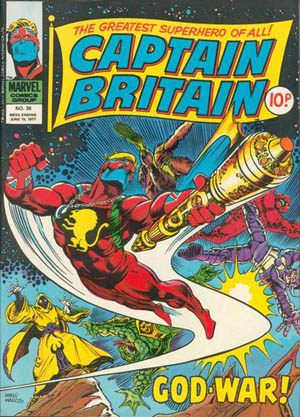
Image via Wikipedia
It’s one of those untrue truisms that British comics didn’t do American style superheroes. There are too many of them to list here, but off the top of my head there was the Phantom Viking, an Ichabod Crane type schoolteacher who became a Thor like flying hero whenever he donned the helmet of his ancient ancestor (and lost them “whenever the wind blew against him” which is by far a lamer weakness than the Martian Manhunter’s aversion to fire)…

Billy the Cat, a perfectly ordinary schoolboy who donned a costume to fight crime by night…

And The Leopard From Lime St., essentially a British version of Spider- Man where a troubled teen gained incredible cat like powers and fought mostly conventional criminals.

But these are the exceptions that proved the rule. The pages of the papers were stuffed to overflowing with fantastic characters and situations, people who possessed unique talents, weird gadgets or magical objects. They even used their gifts unselfishly to fight evil just because it was the right thing to do, but they almost never put on skintight outfits to become masked vigilantes with distinctive street names.
And when British Comics did try to do American style superheroes you got things like the original version of Captain Britain, a mash-up of Spider-Man and Captain America that just happened to be set in England.
Johnny Future began his strange, tortured career in the pages of Fantastic, a weekly that reprinted early Marvel comics in black and white. He was originally The Missing Link, an obvious Hulk knock off.

However exposure from a sabotaged nuclear reactor evolved him into the mental and physical superman of the future and he promptly dubbed himself Johnny Future.
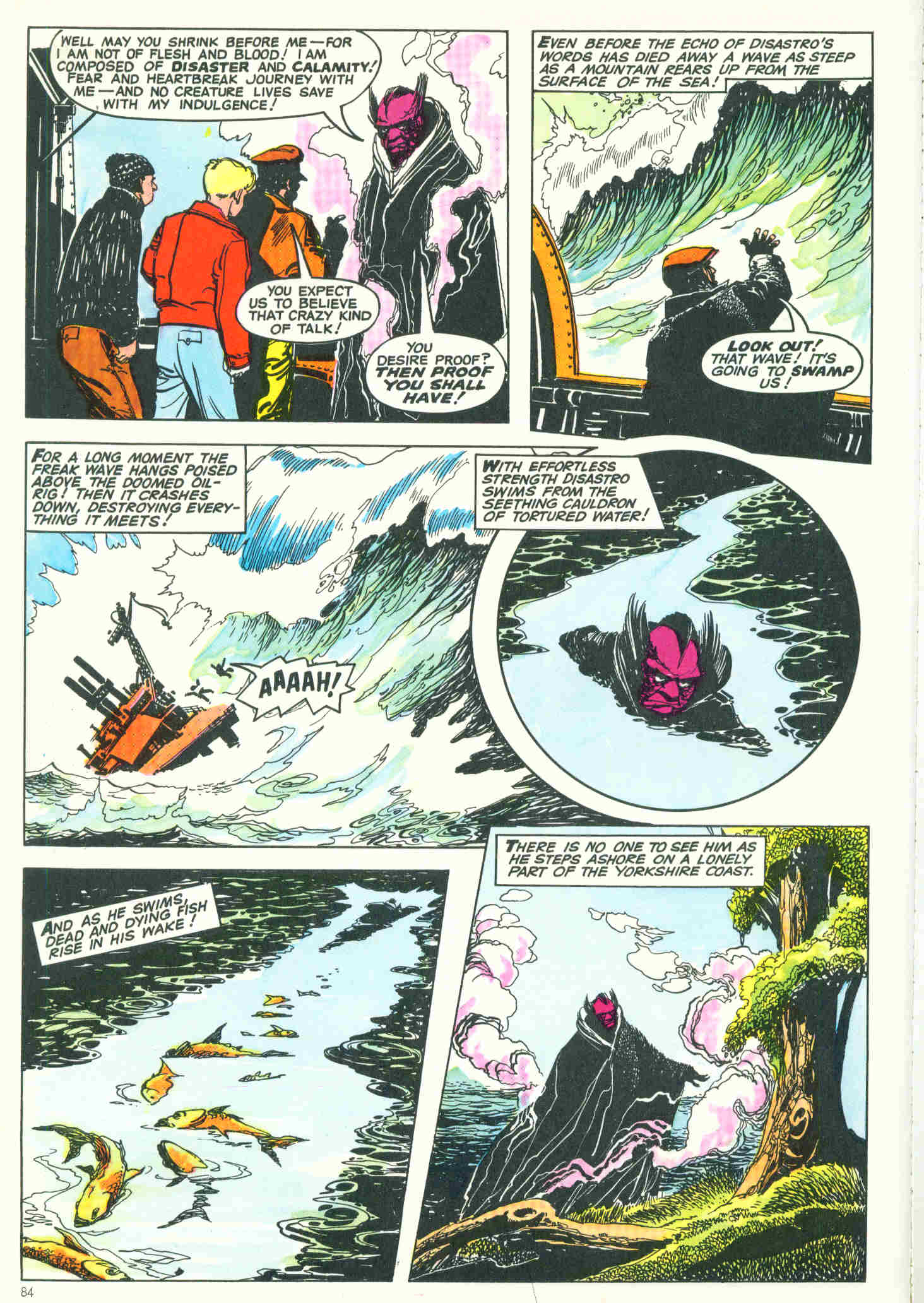
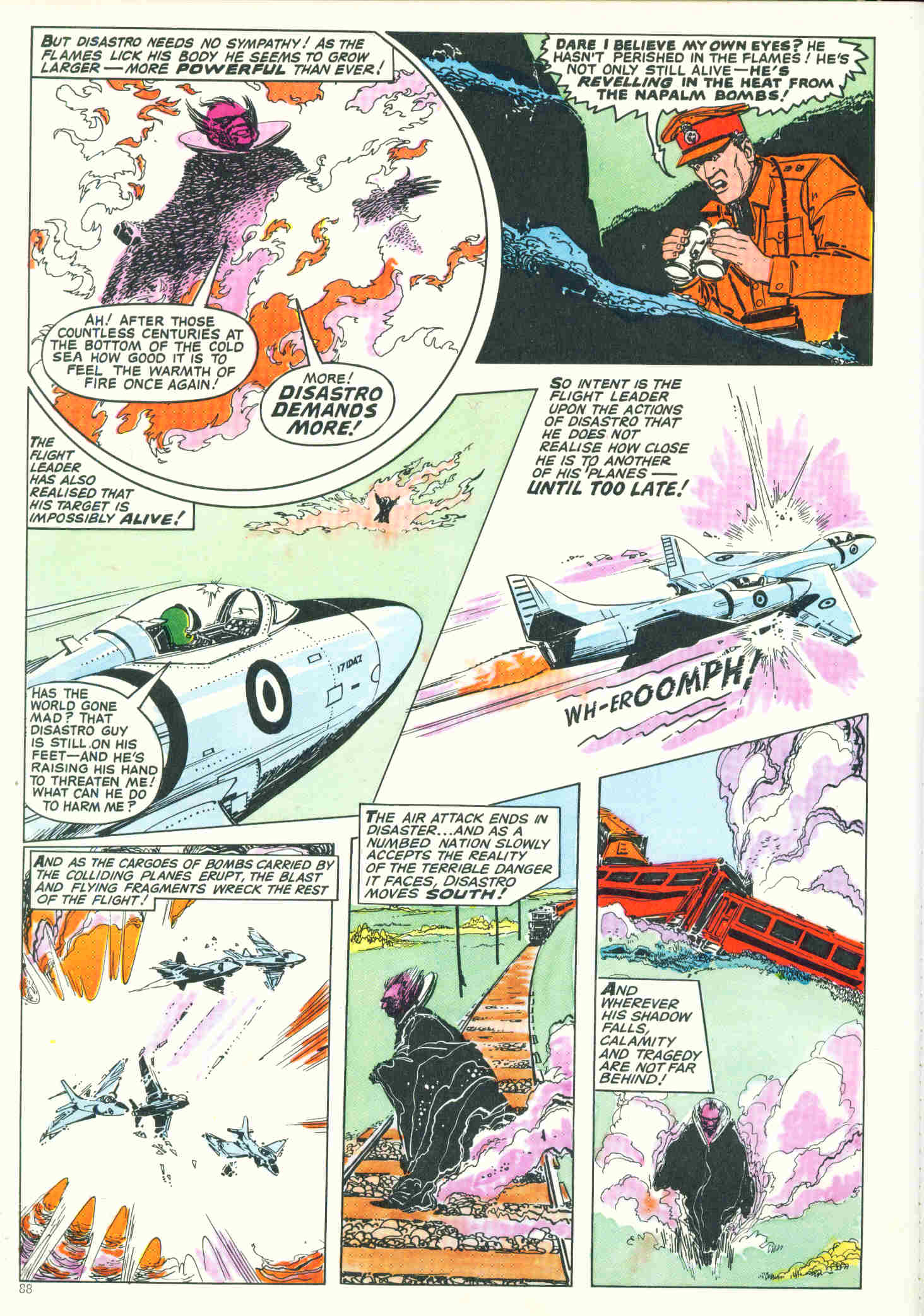
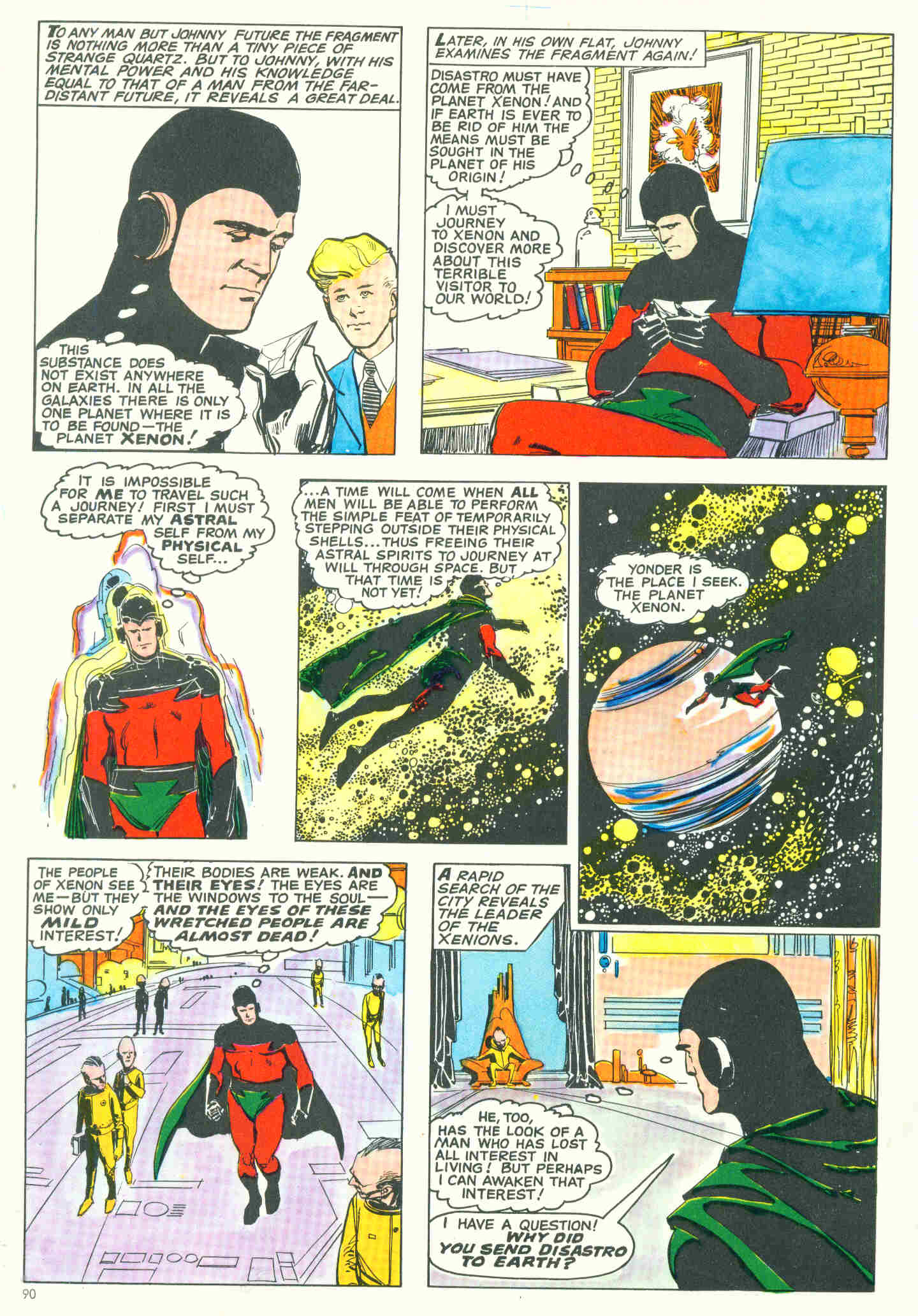
He proceeded to act like a pretty conventional superhero, gaining a costume that seemed more a spaceman than superhero (and also strangely reminiscent of Kyle Baker’s character Al Space) and a secret identity. Beautifully drawn by Louis Berjemo, future’s adventures were a bit oddball; he may have fought the usual compliment of super villains and mad geniuses but all in all, the series was a better marriage of American concepts and standard British story paper storytelling.
From Fantastic Annual 1969 in full color, here’s Johnny Future.







Bonus: It’s entirely nobody else but me will care but recently the U.K.’s Dez Skinn wrote the following feature for the second issue of the British publication Comic Heroes Magazine about his attempt to sell a completely different Captain Britain:


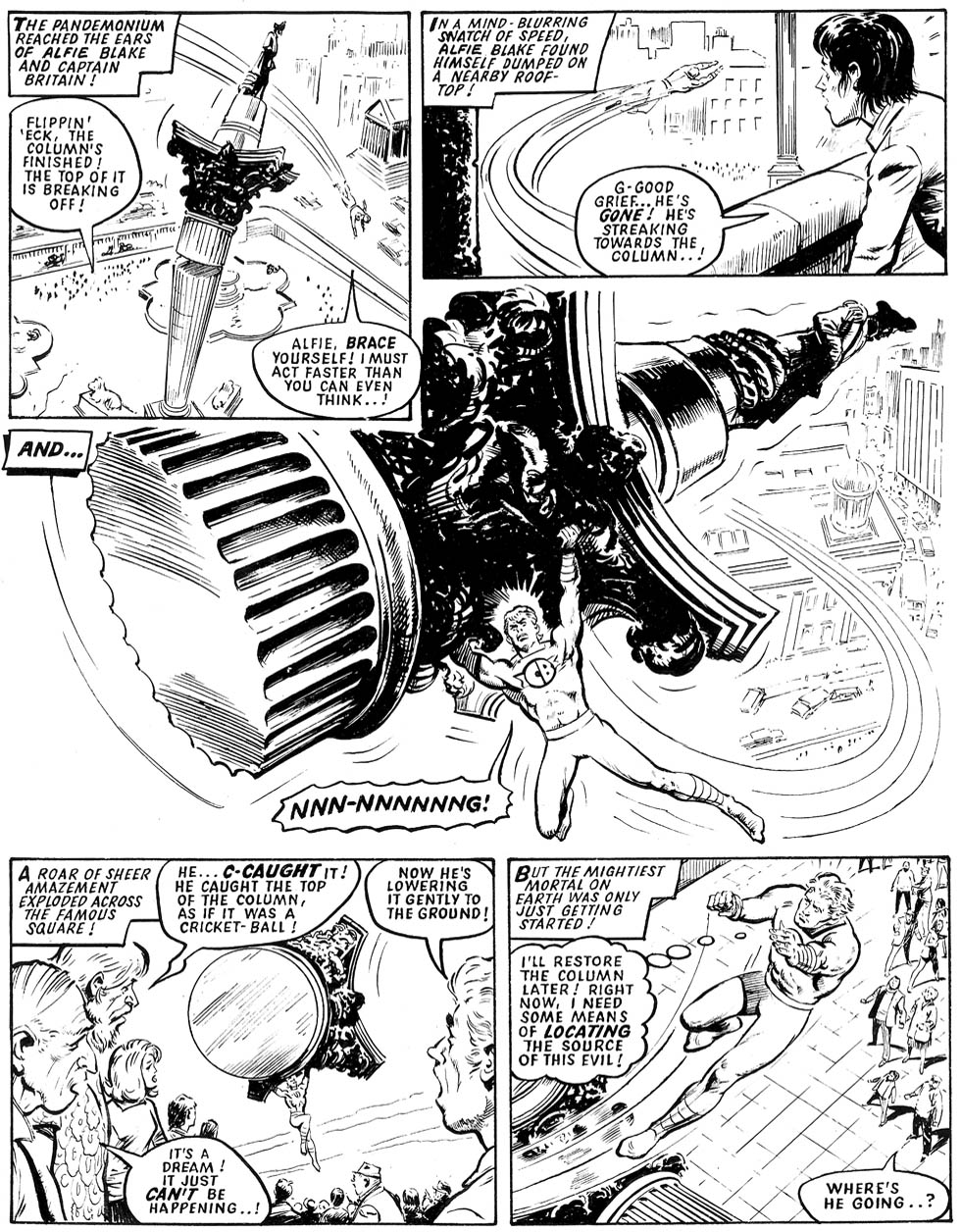
And from Dez Skin”s own website I present from 1973 his unpublished mock-up of the first (and last) adventure of his Captain Britain:




— Steve Bennett