







COMIC BOOK COMPULSIVE — Famous Funnies #102
Along with being one of best known, most successful and most influential of the early proto-comic books* Famous Funnies was also remarkably long-running — Eastern Color managed to publish 219 issues between 1934 and 1955 with it’s last few issues bearing the seal of the Comic Code Authority. Being a huge comic strip fan it was one of the Golden Age titles that I was most eager to read, but having read a good number of issues I’ve found that the title could frequently be a bit of a misnomer. A lot of the strips were definitely of the second tier while others were just flat out obscure, well, obscure to me anyway, and I’ve read every book about comic strips in the Akron Public Library, and I mean the big main branch downtown, mister. 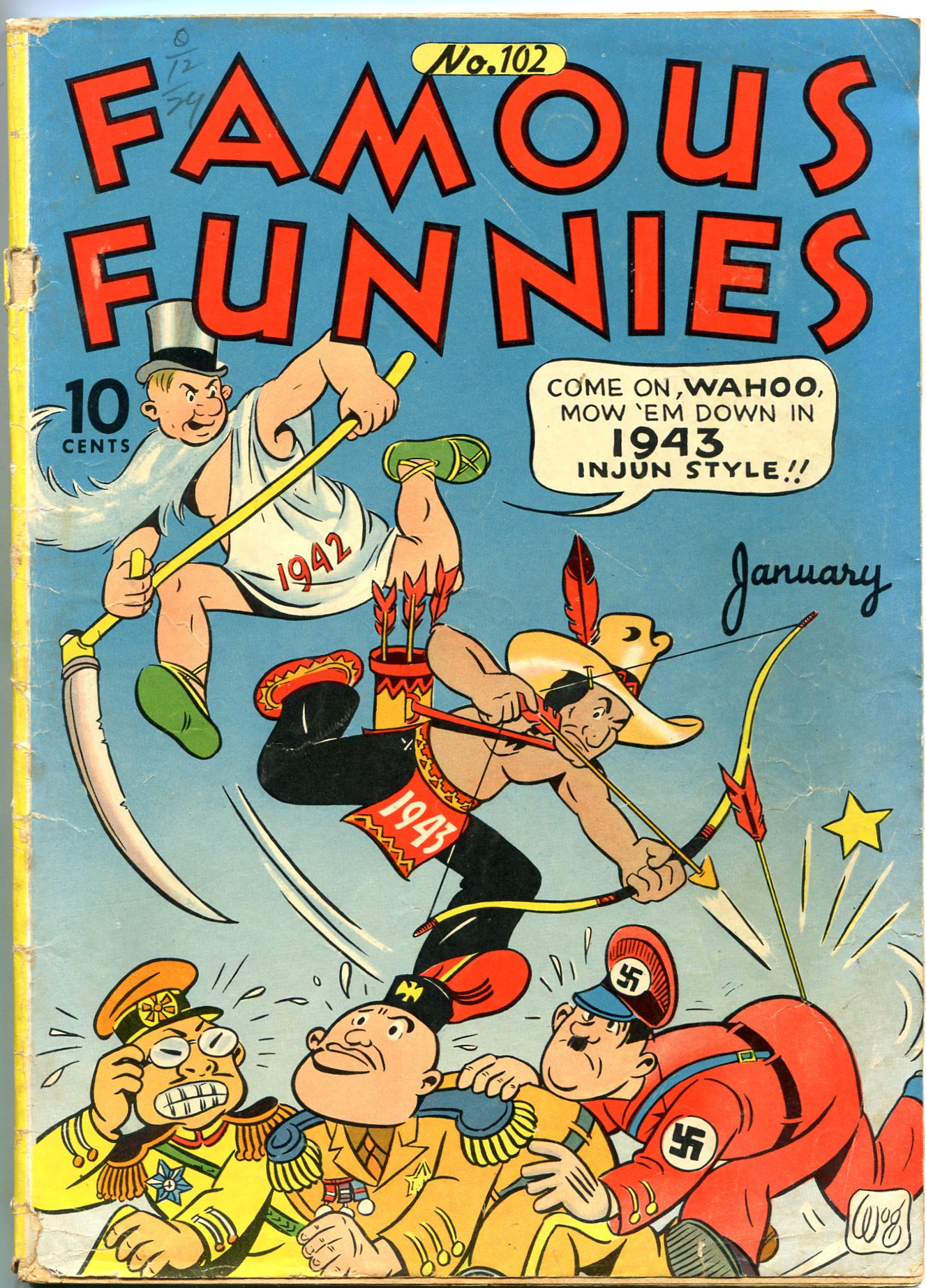
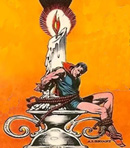
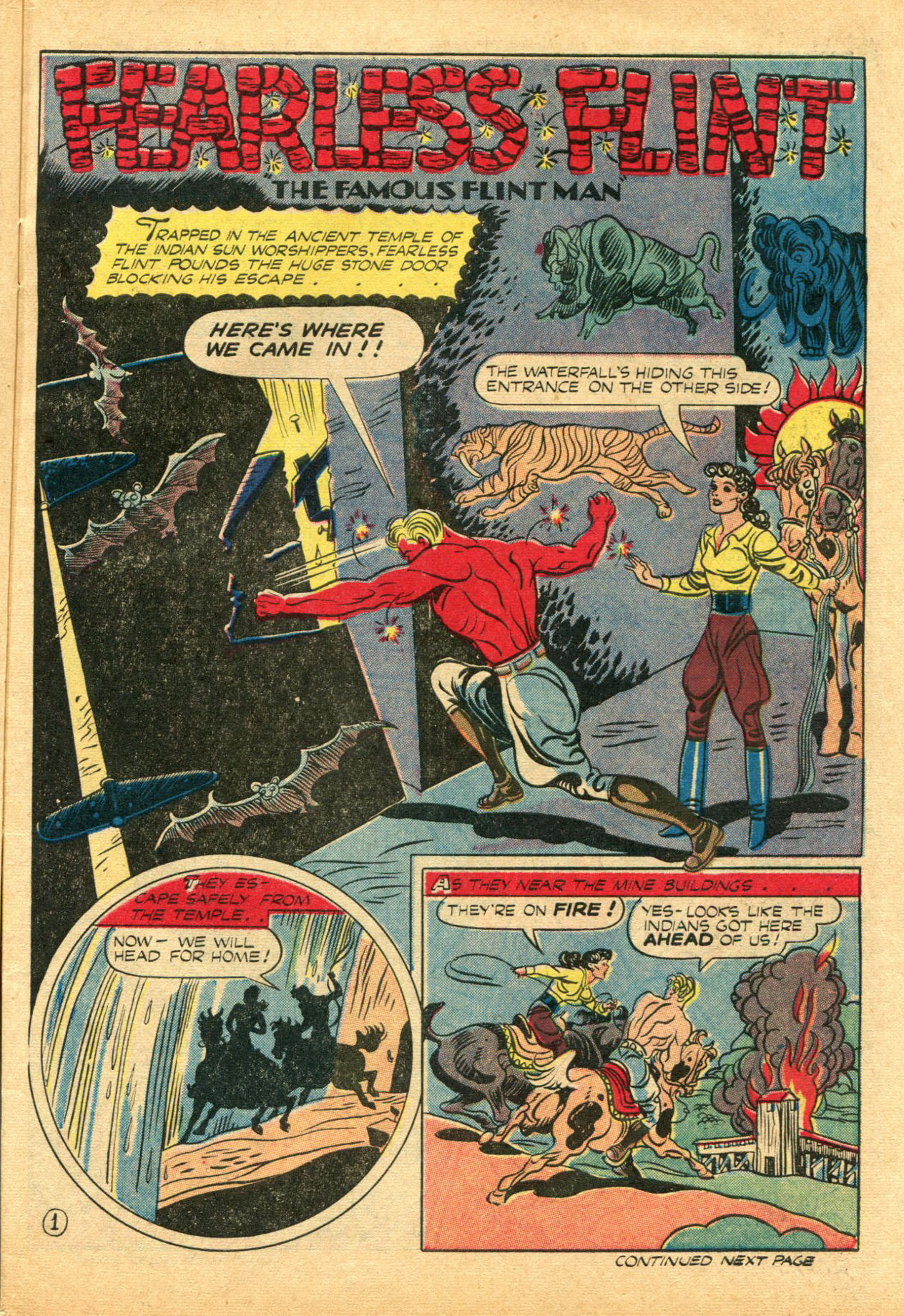
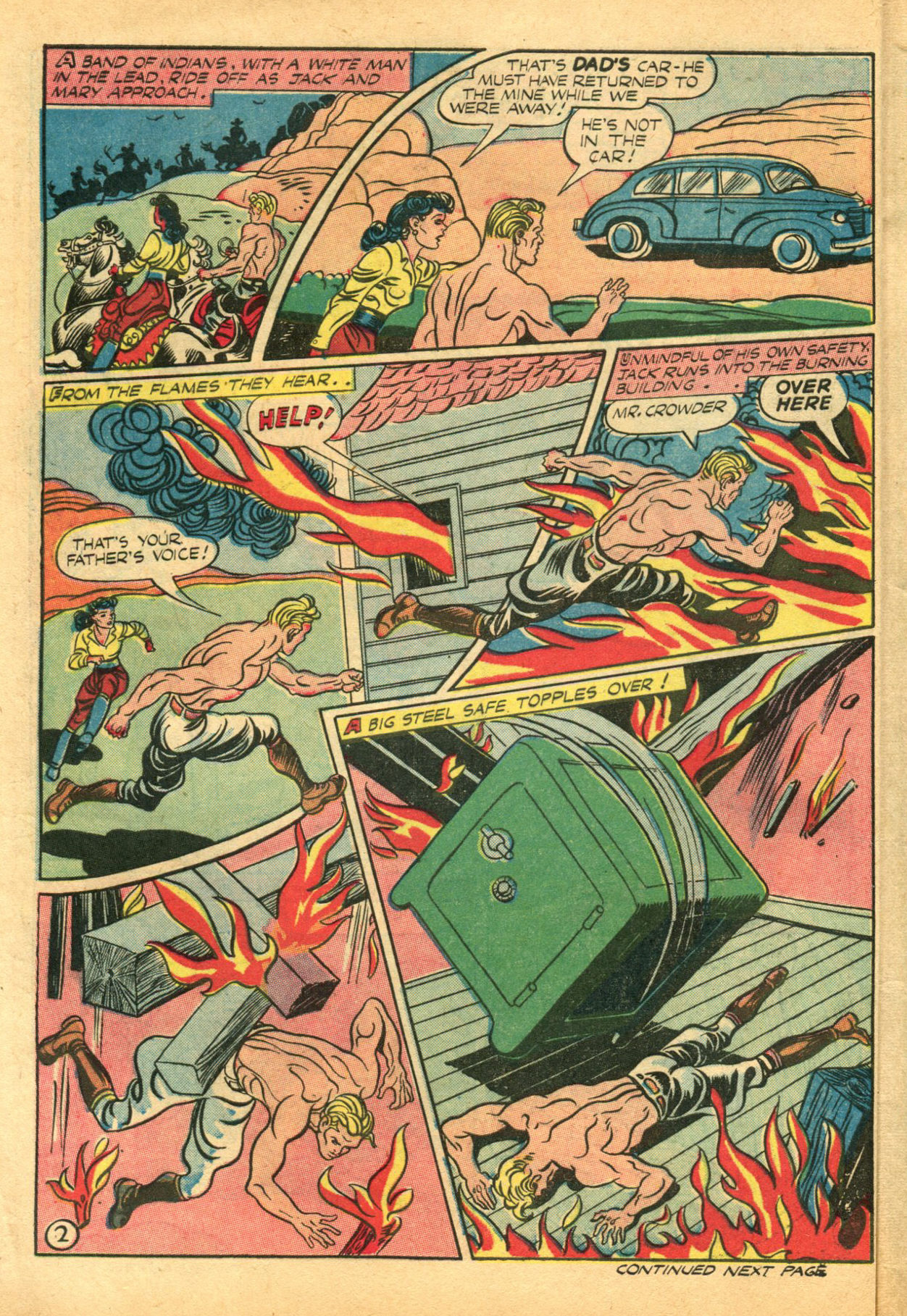
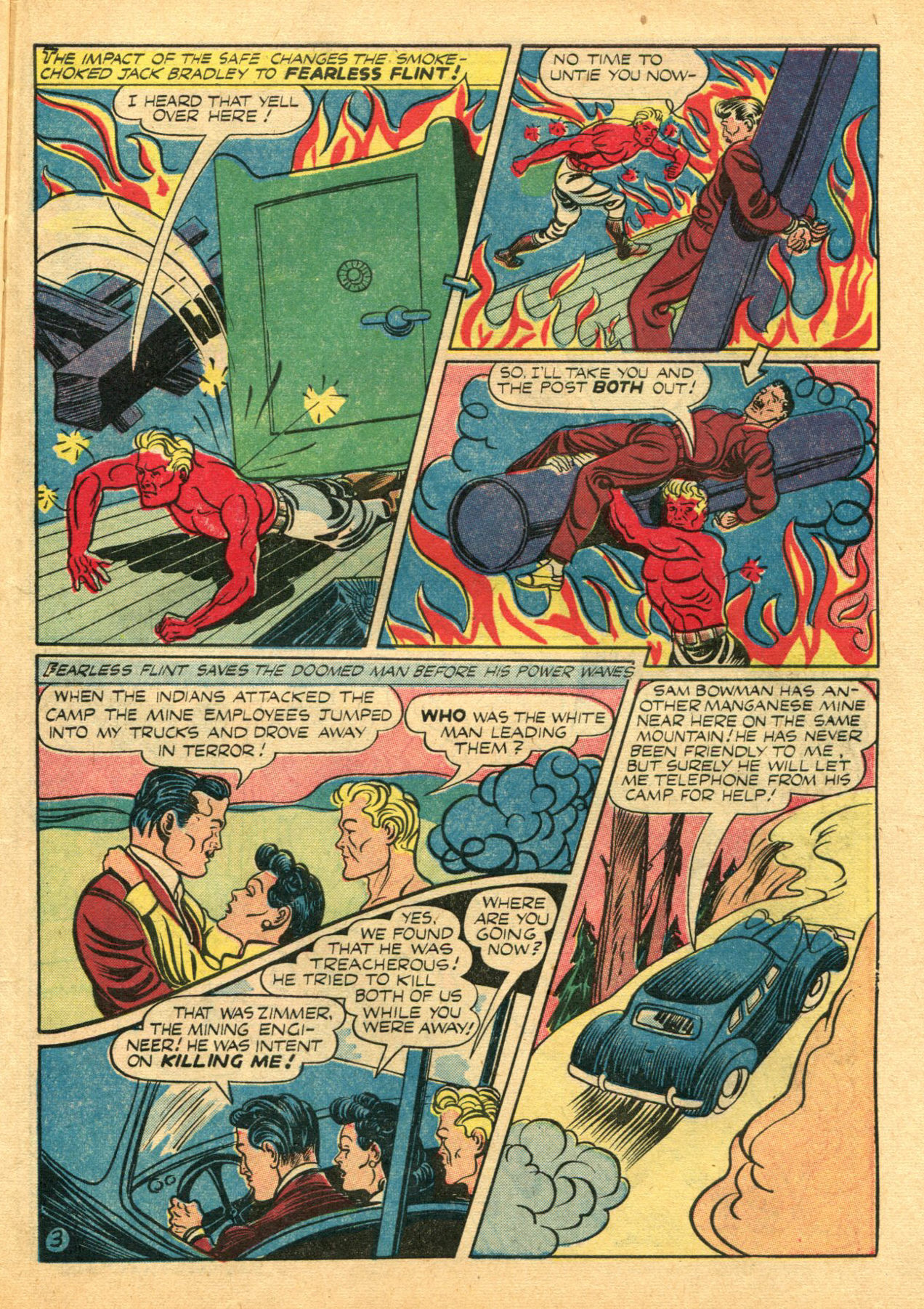
But even if you don’t care much for old comic strips Famous Funnies as much as I do for a long stretch the comic also had a resident kind of superhero in the form of Fearless Flint. The creation of Wonder Woman artist Harry G. Peter (who also created the strikingly similar Man o’ Metal) he was a construction worker named Jack Bradley who got covered in “mysterious dust” and found out when he got angry he got red, started shooting off sparks and was super strong and invulnerable. I say ‘kind of’ because in spite of his powers Flint dressed and acted more like a two-fisted adventurer type than a proper superhero. It was a strange, eccentric feature like nothing else in the Golden Age, well, except of course for Man of Metal.
. 
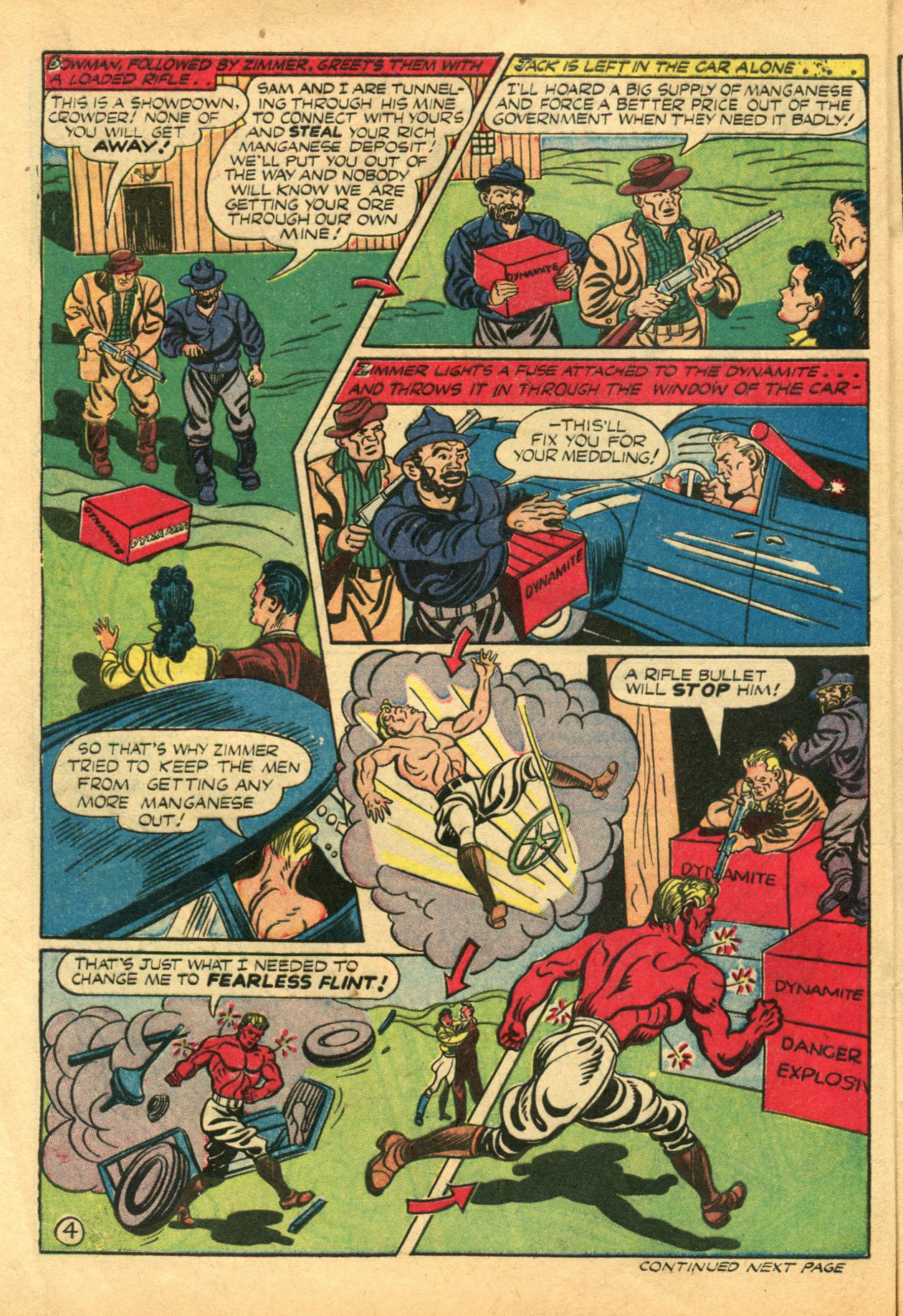
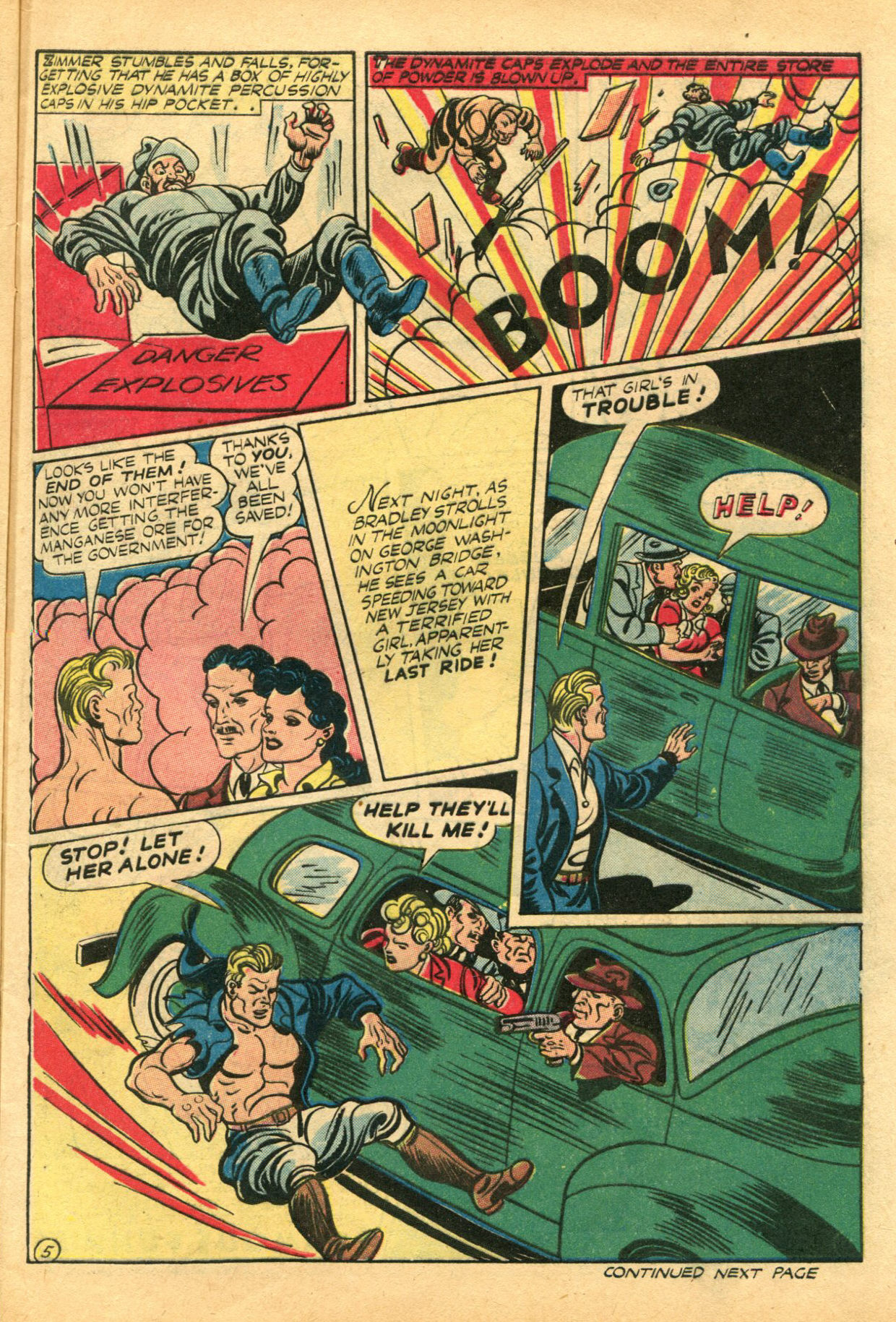
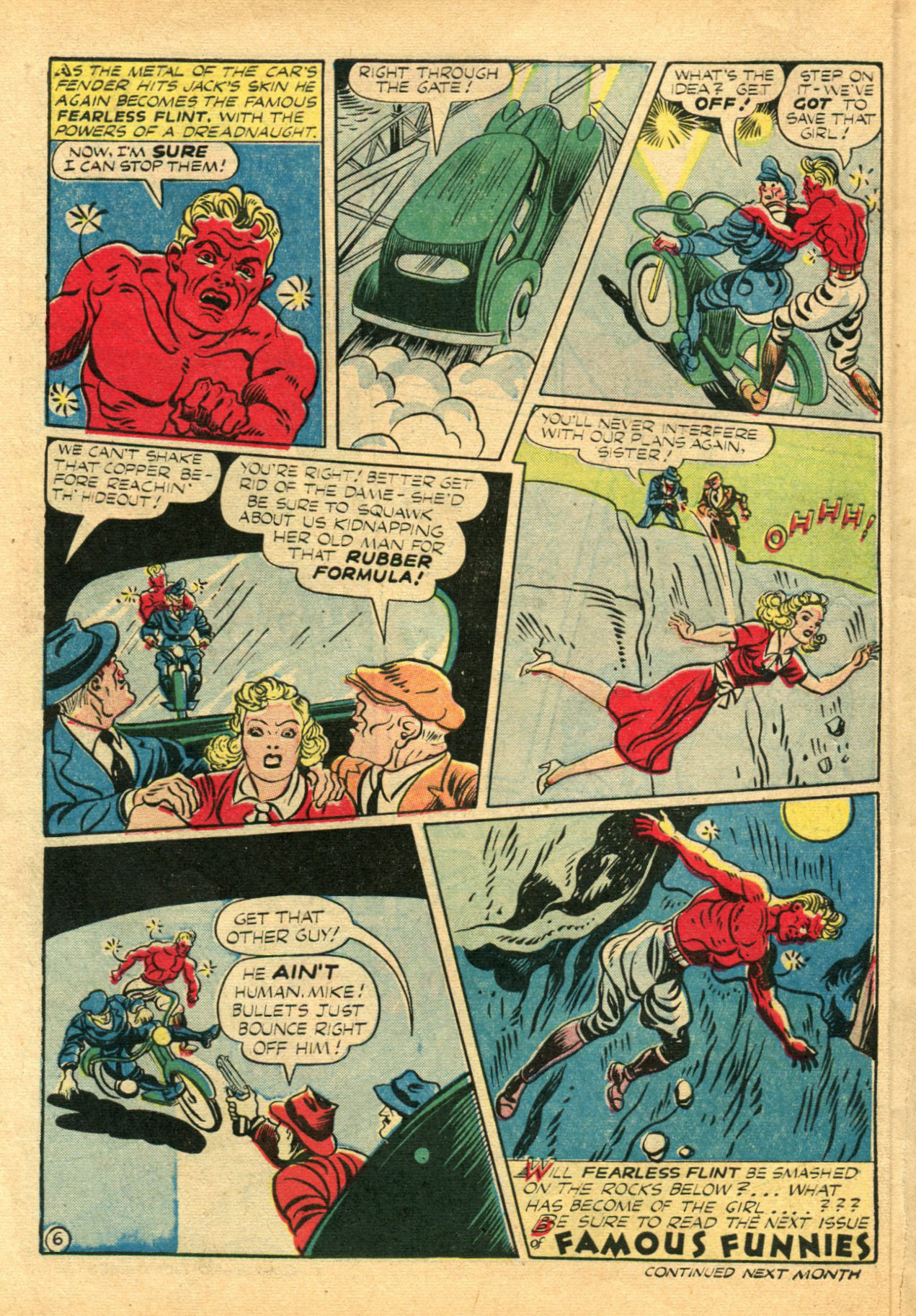
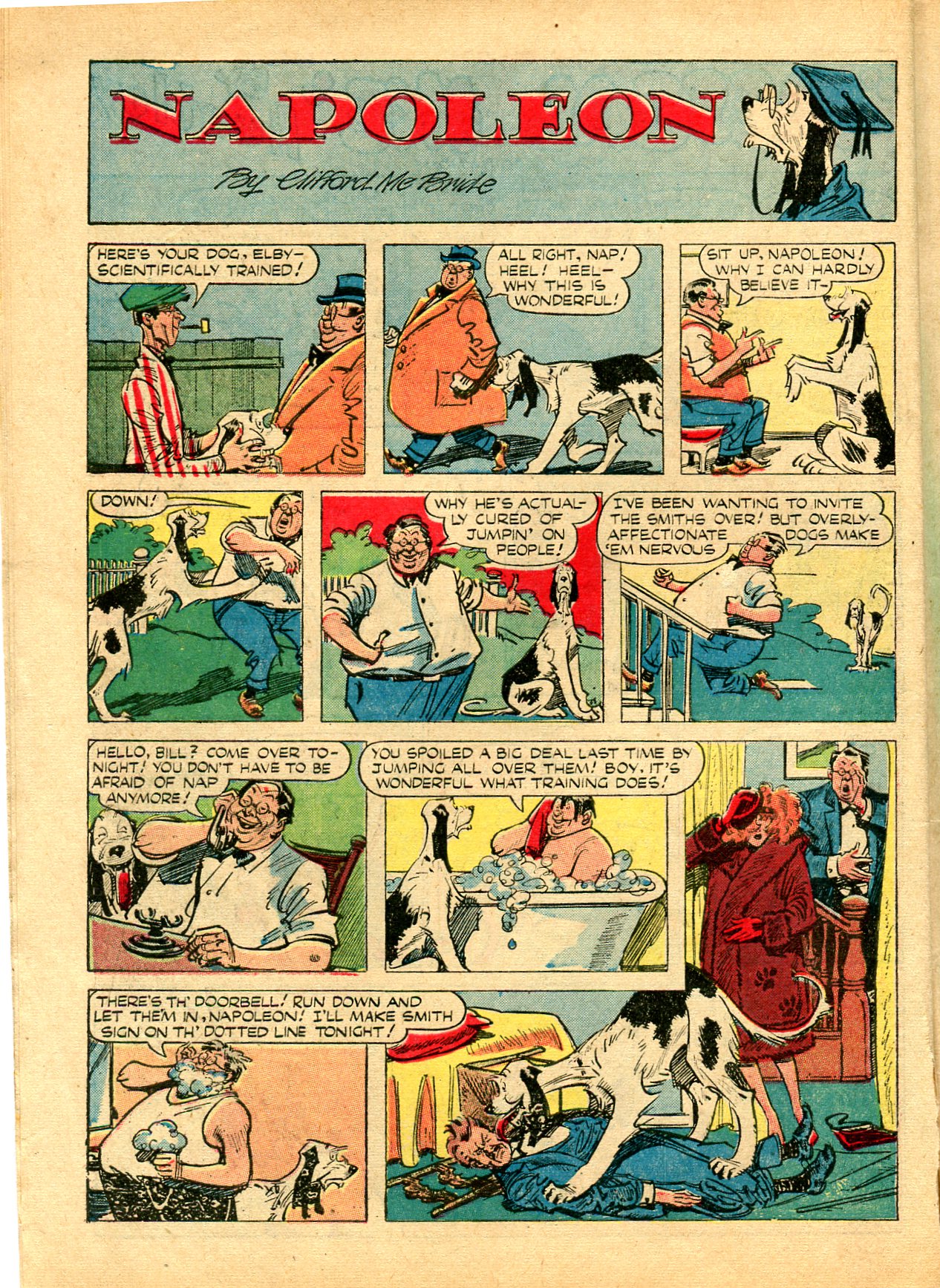
Also included in this issue was Napoleon by Clifford McBride, a dog strip which featured both some wonderful cartooning and beautifully staged gags.
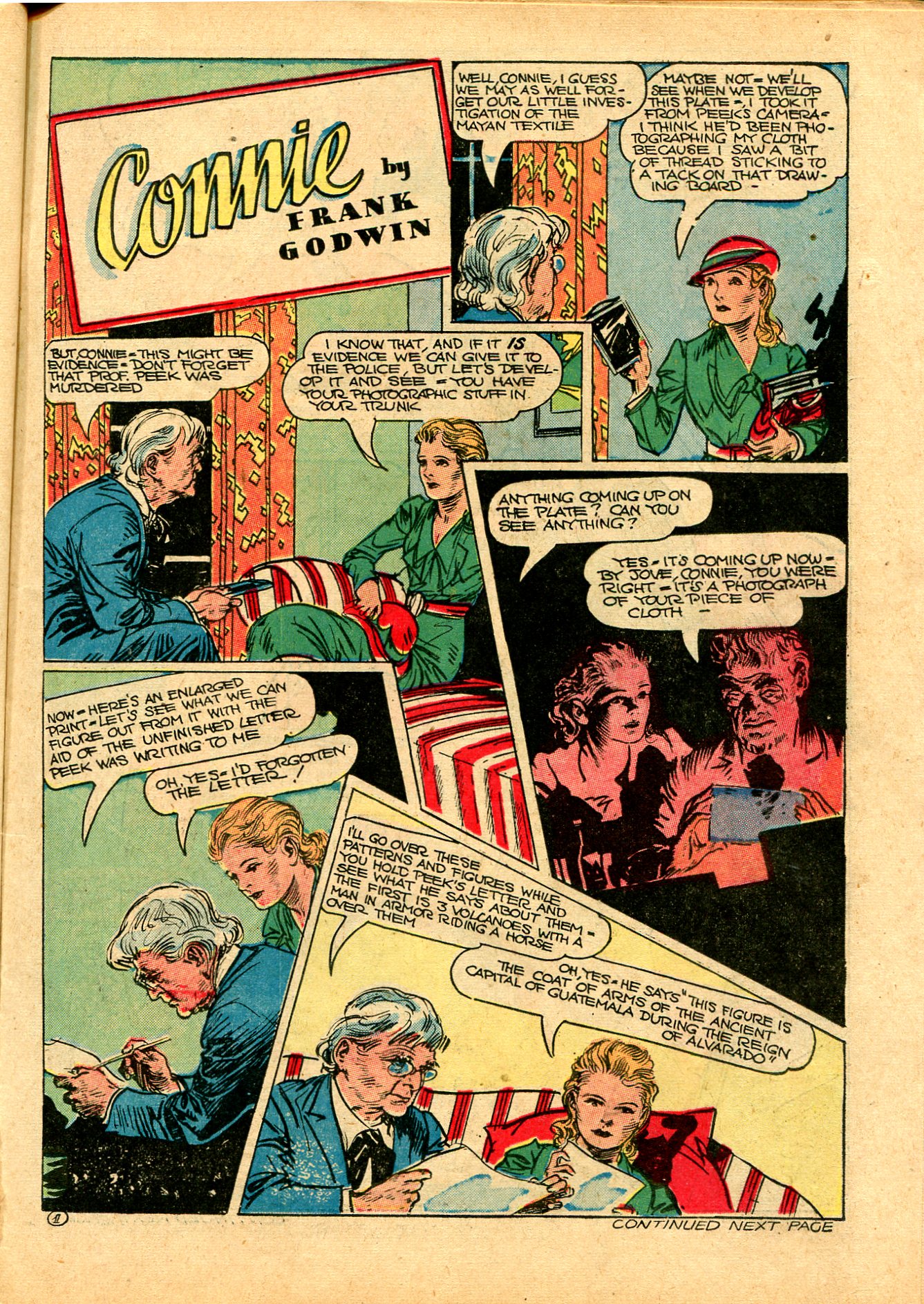
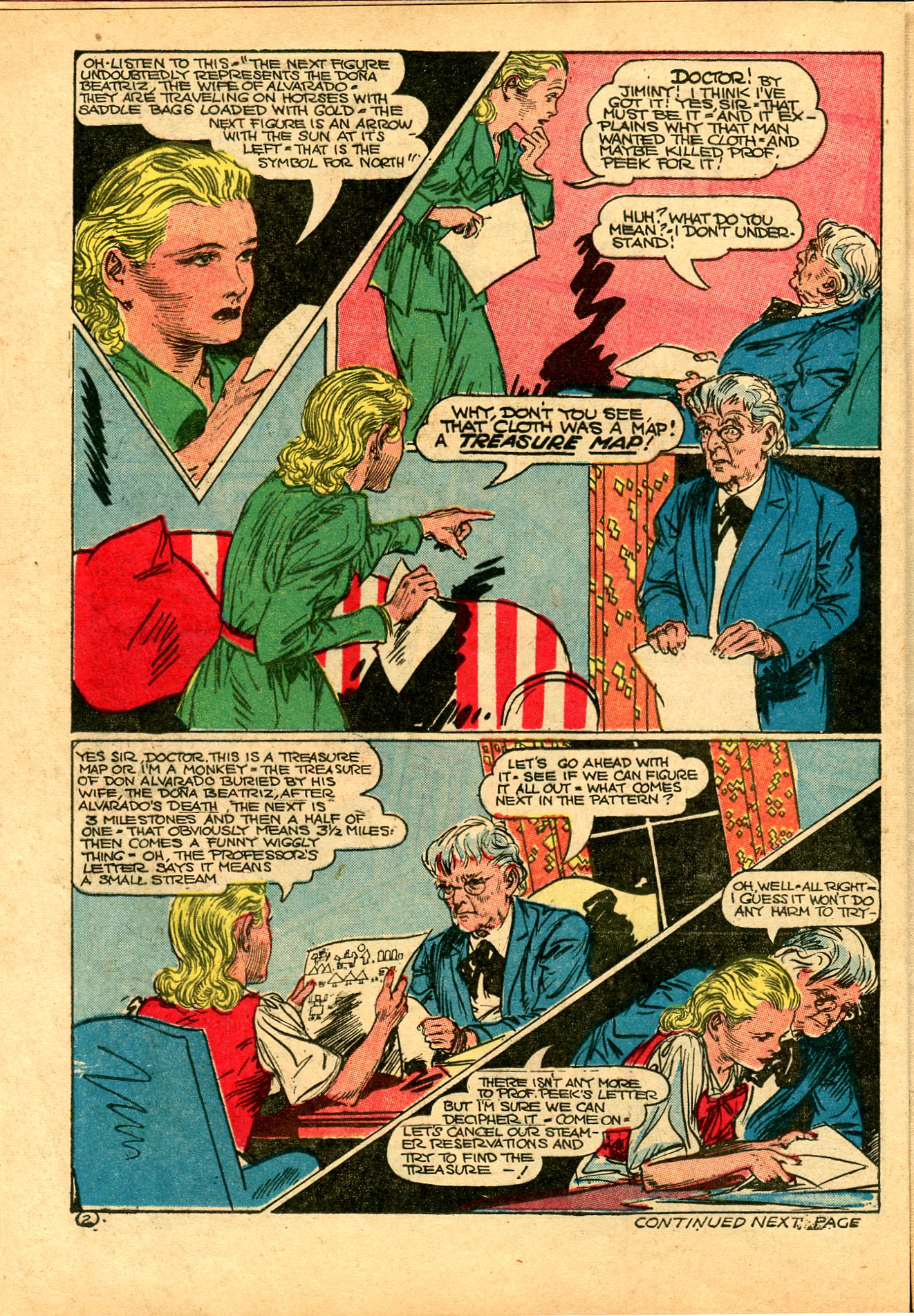
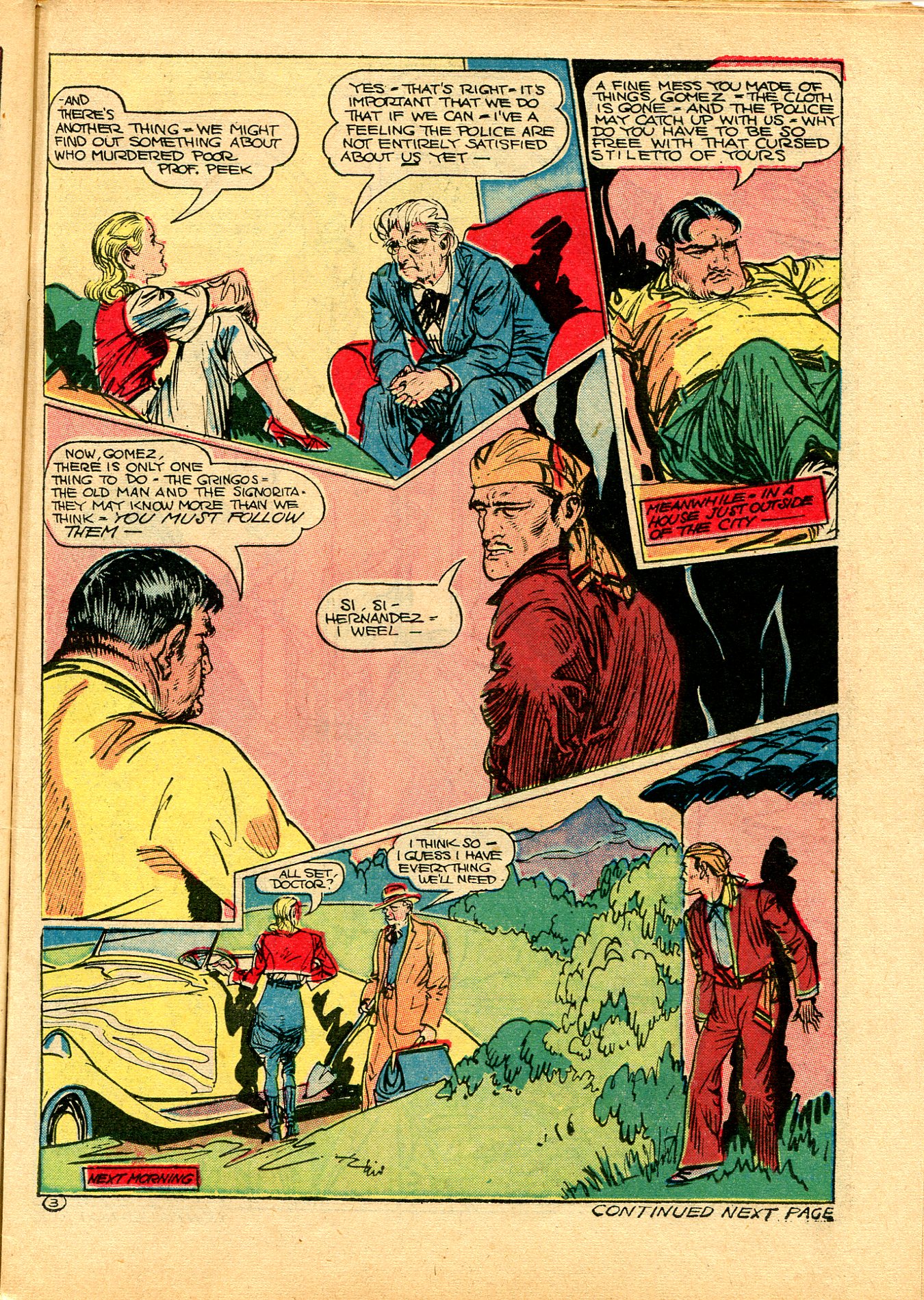
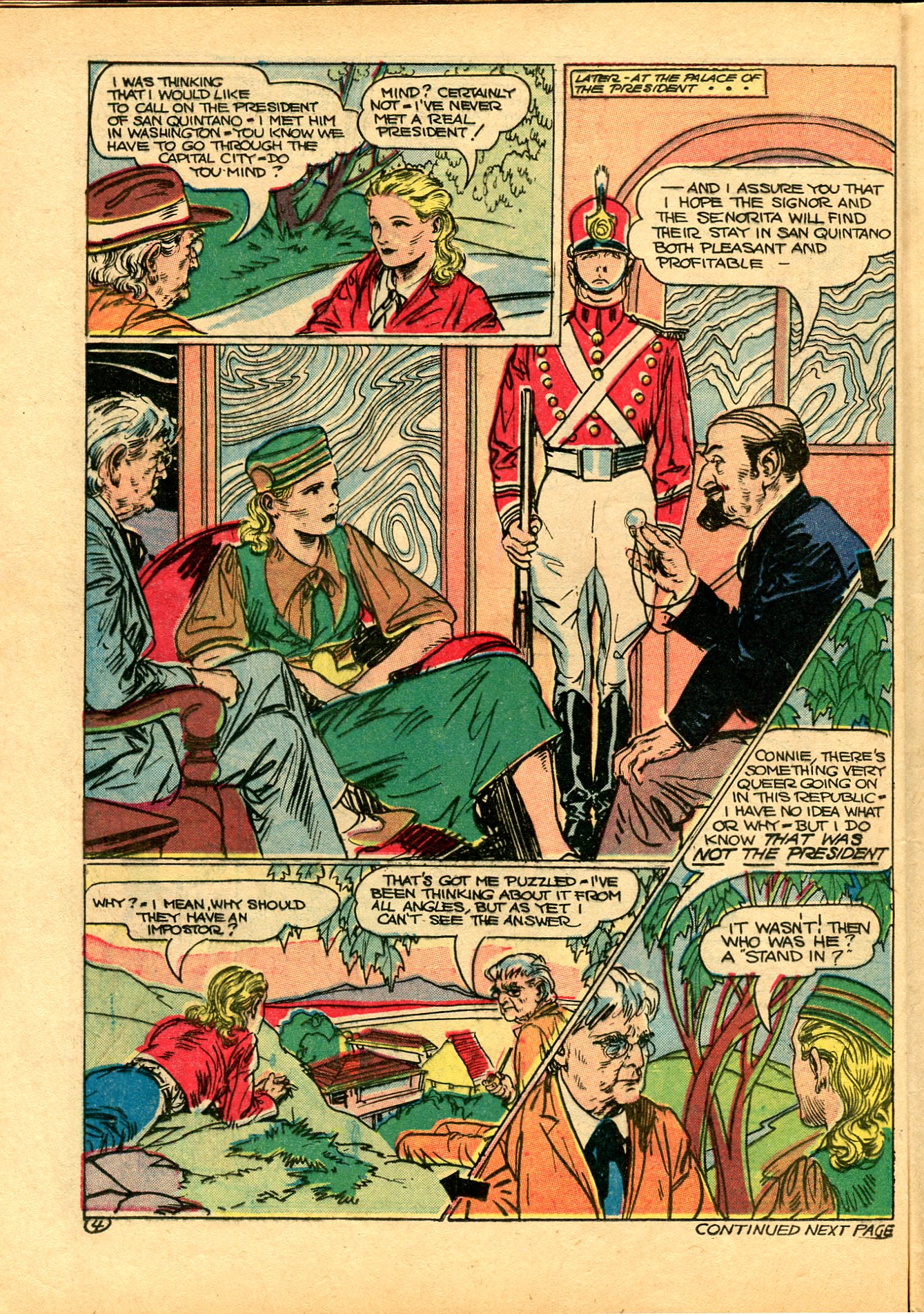
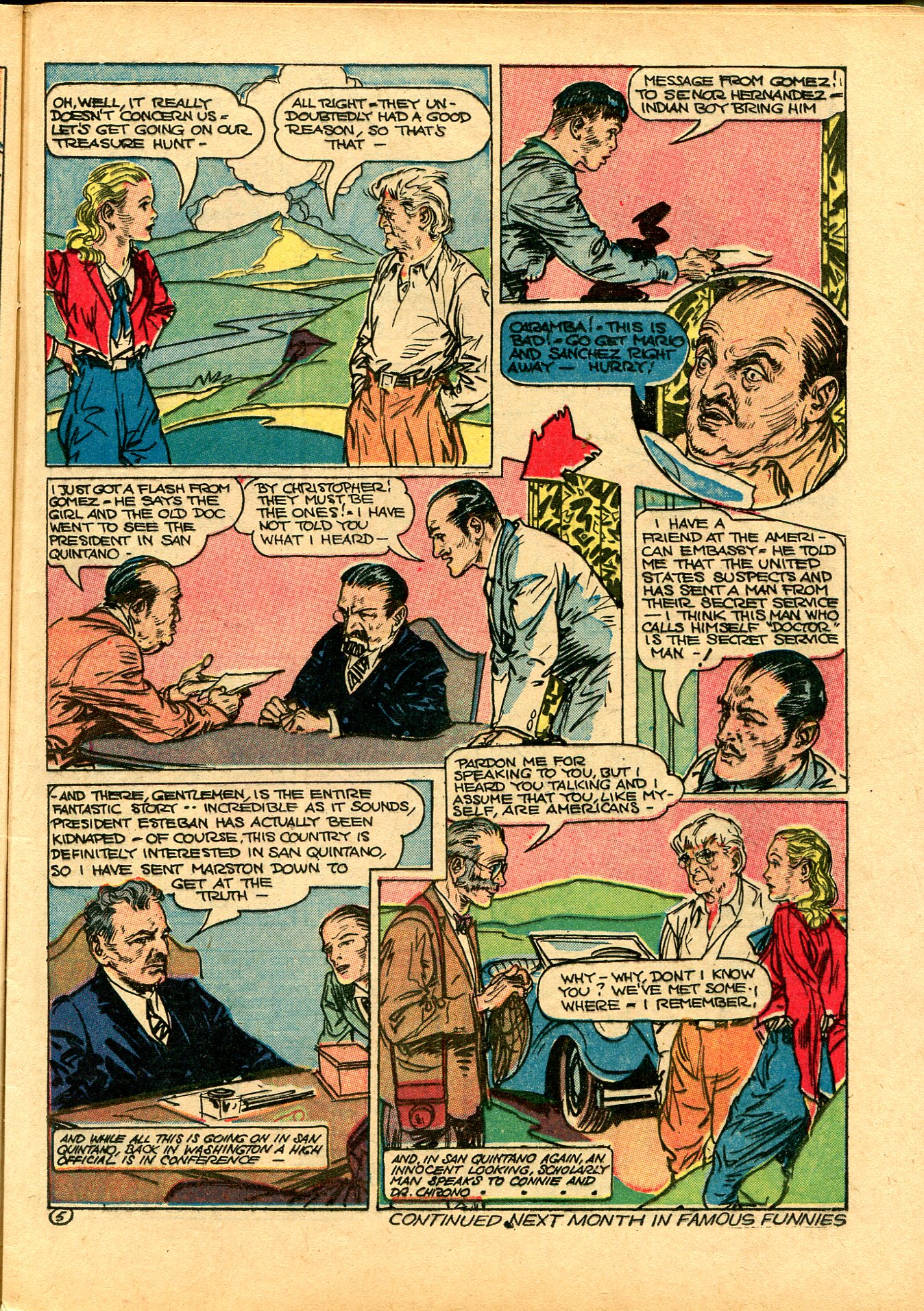
Connie by Frank Godwin which ran from 1927 to 1944 and was the first adventure comic strip to have a female hero. There really, really needs to be a definitive collection of this strip.
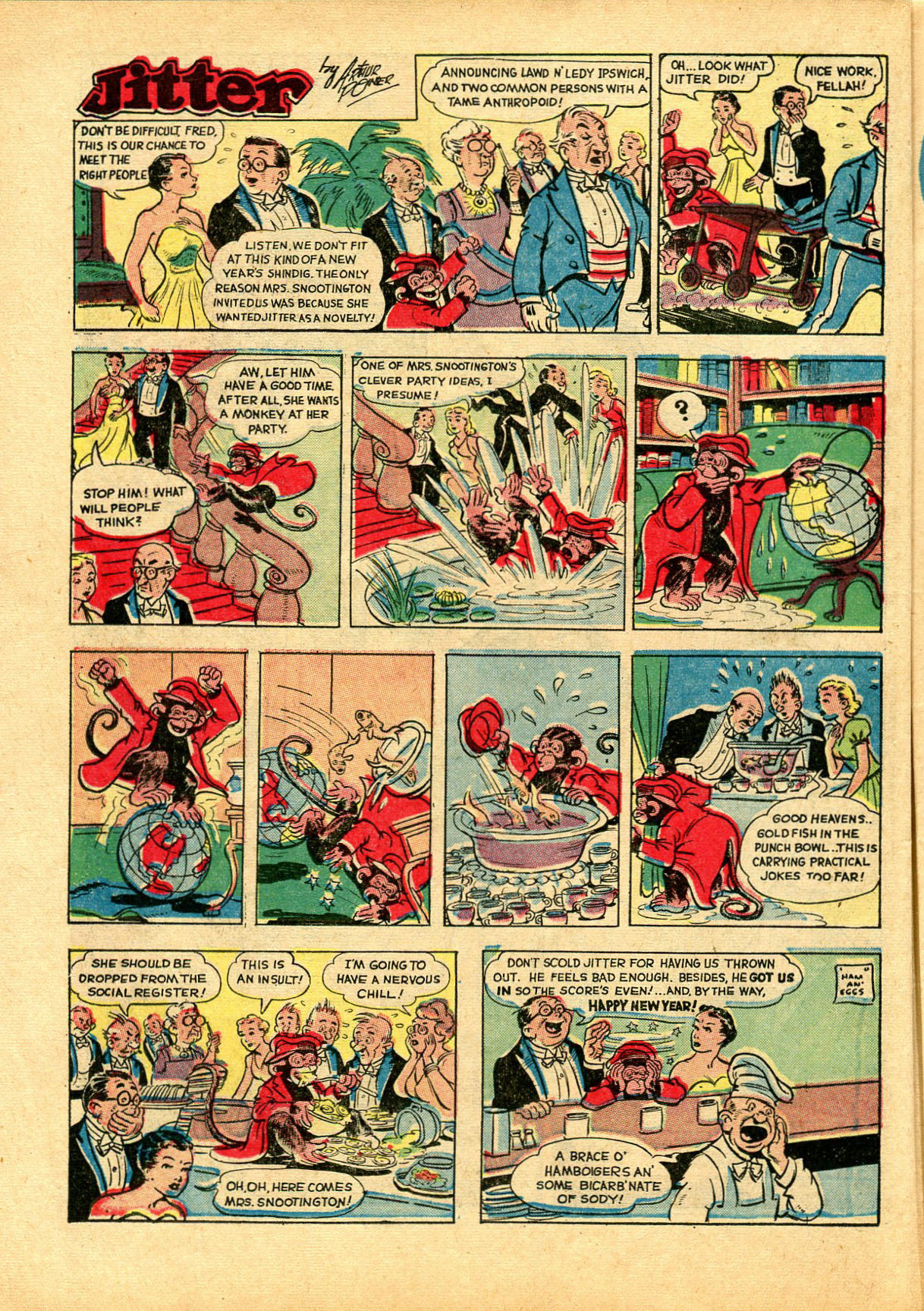
One of the “flat out obscure” strips in this issue was Jitters by Arthur Poiner, about a mischievous monkey who somehow acquired a bell boy’s red coat and hat and got into all kinds of predictable, but still amusing, trouble.
. 
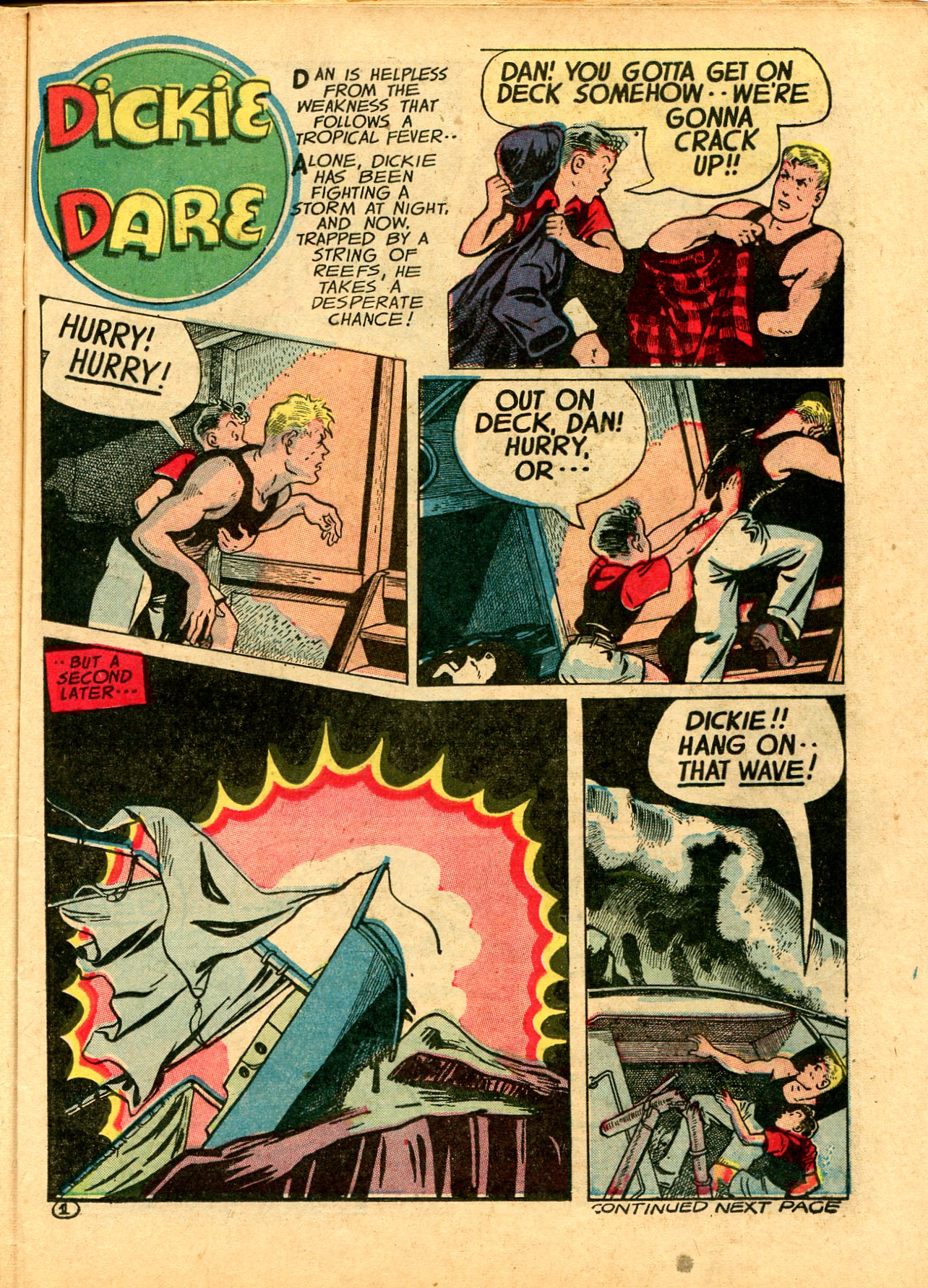
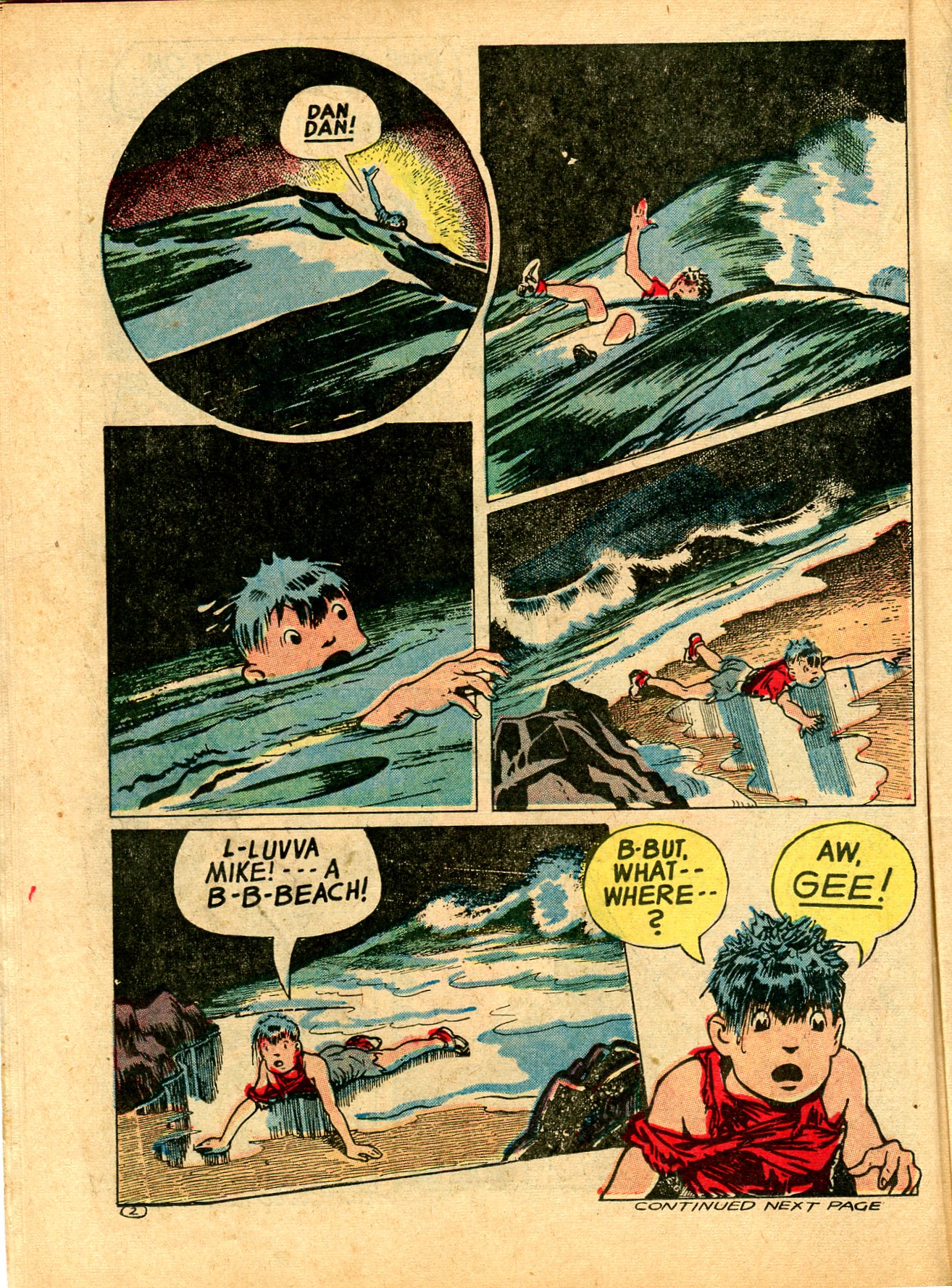
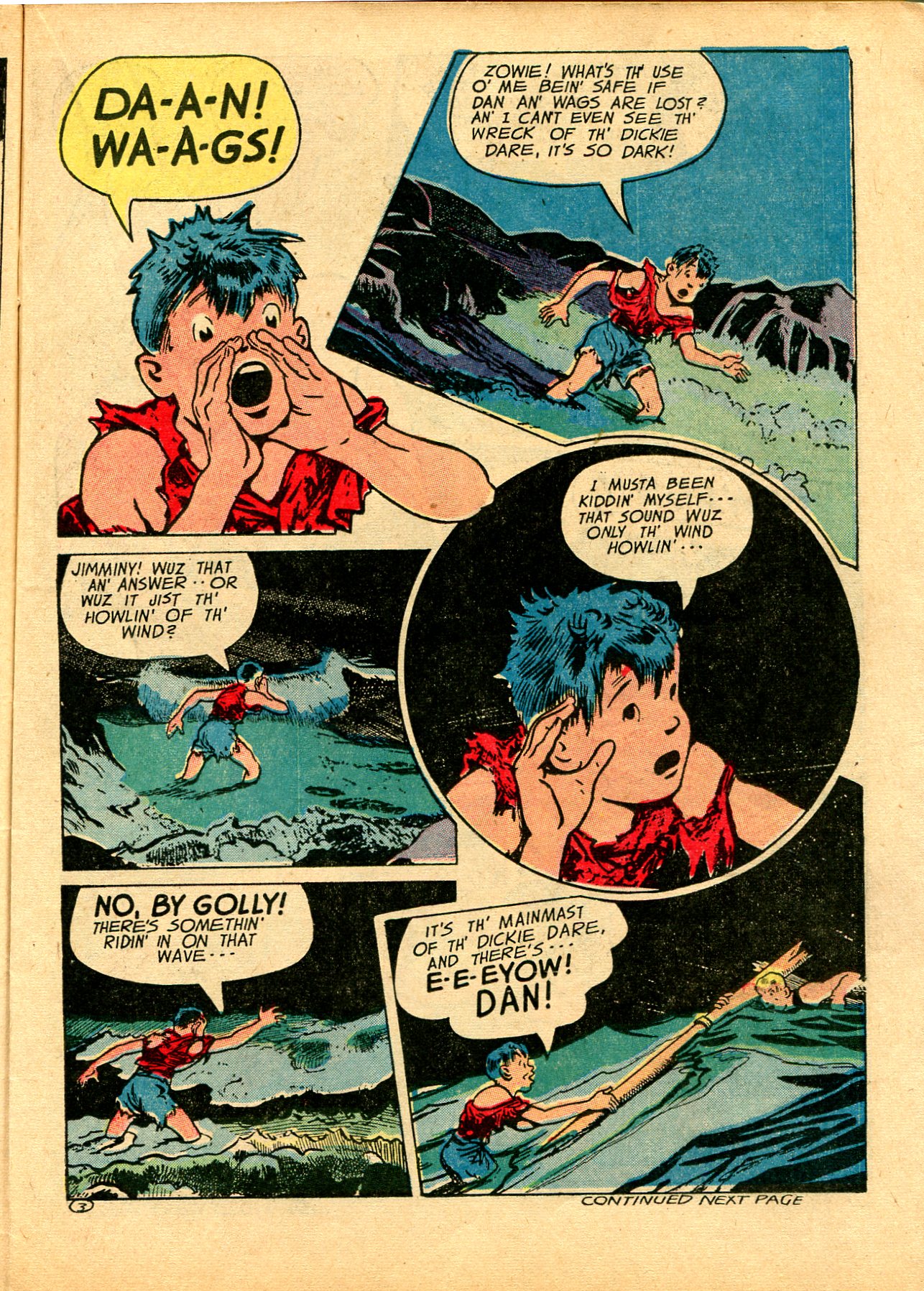
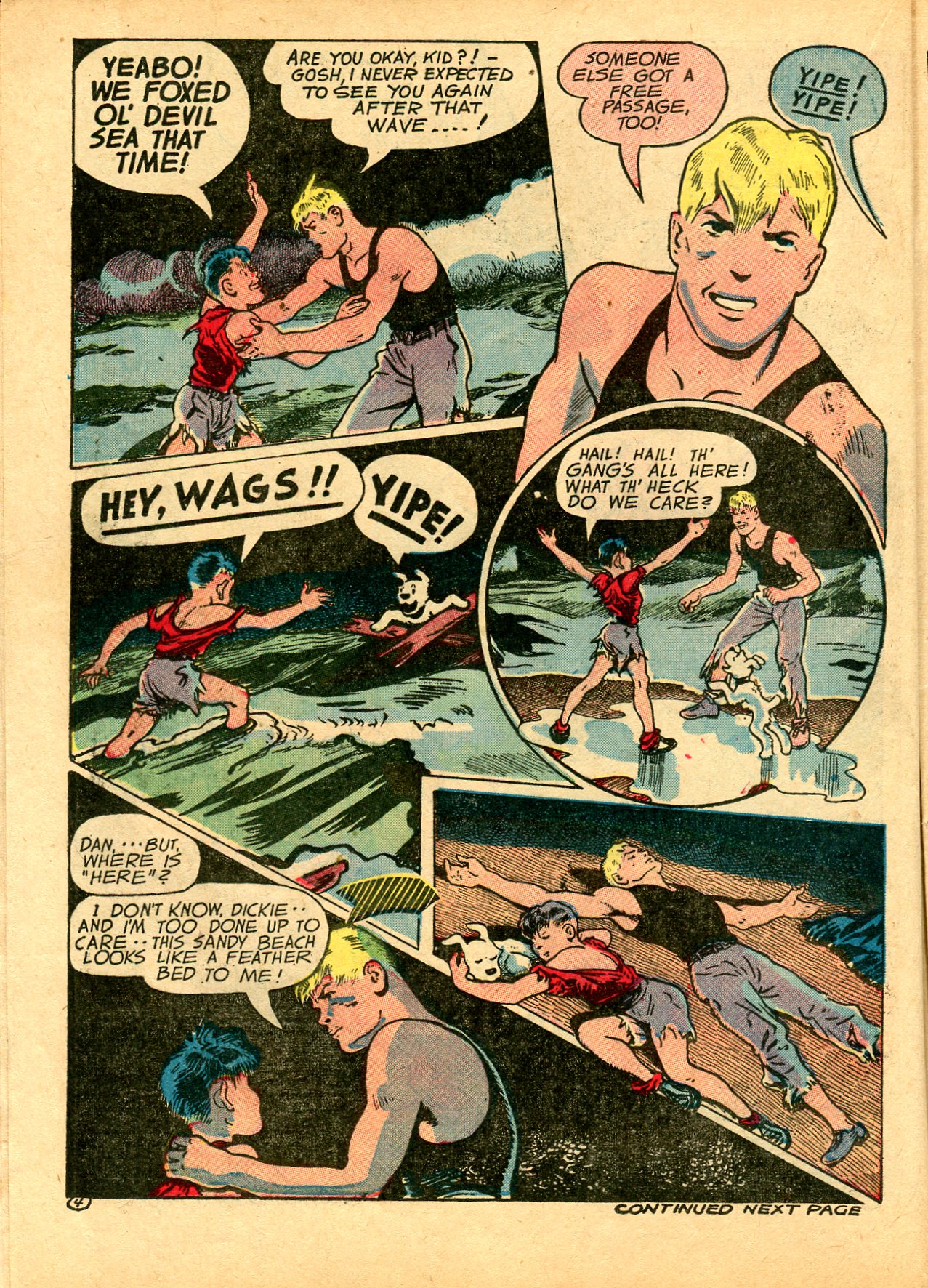
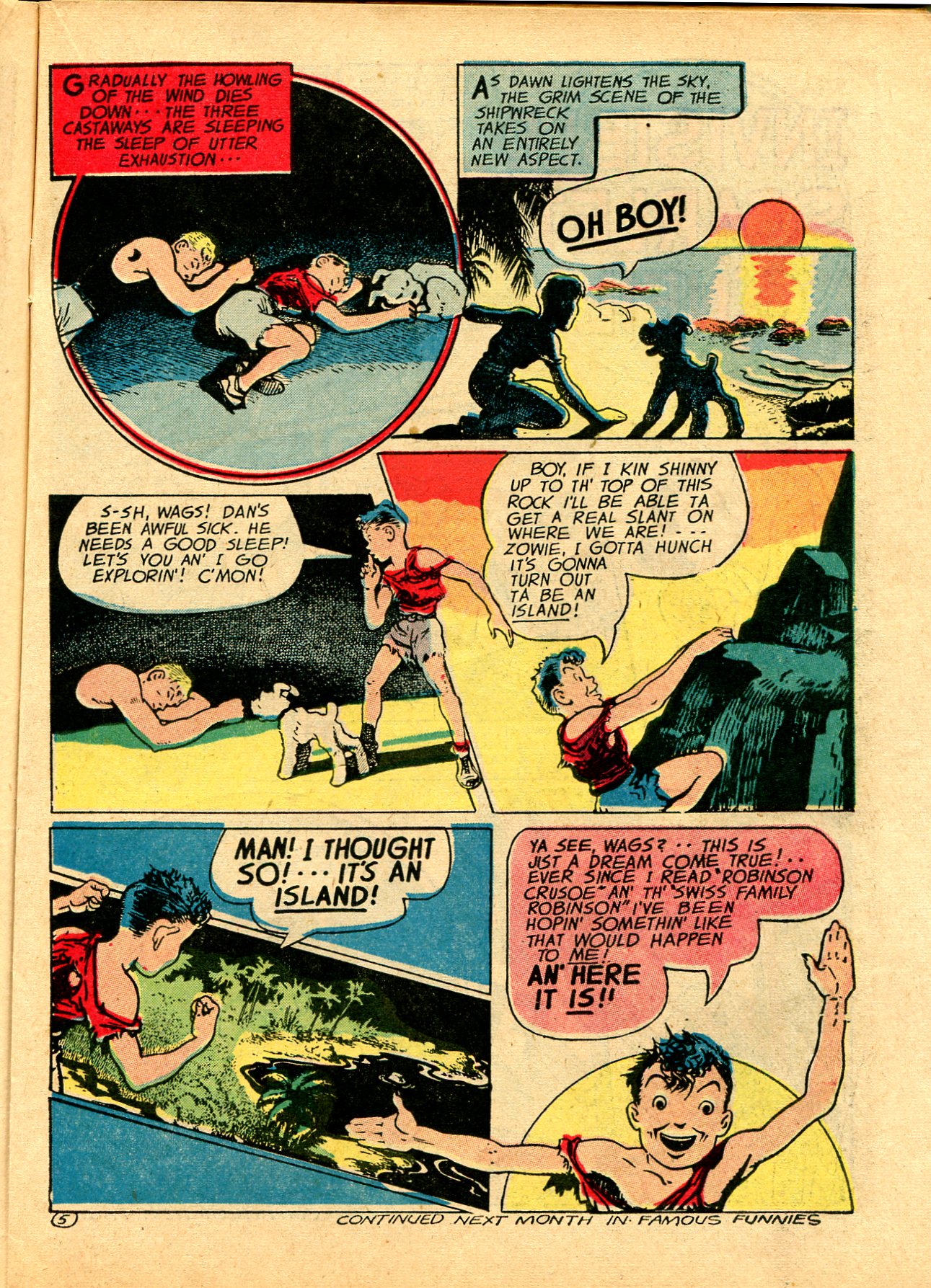
Though best known for being the strip Milton Caniff left to start Terry and the Pirates the great Coulton Waugh drew Dickie Dare for a lot longer, and as you can see for yourself he knew what he was doing
. 
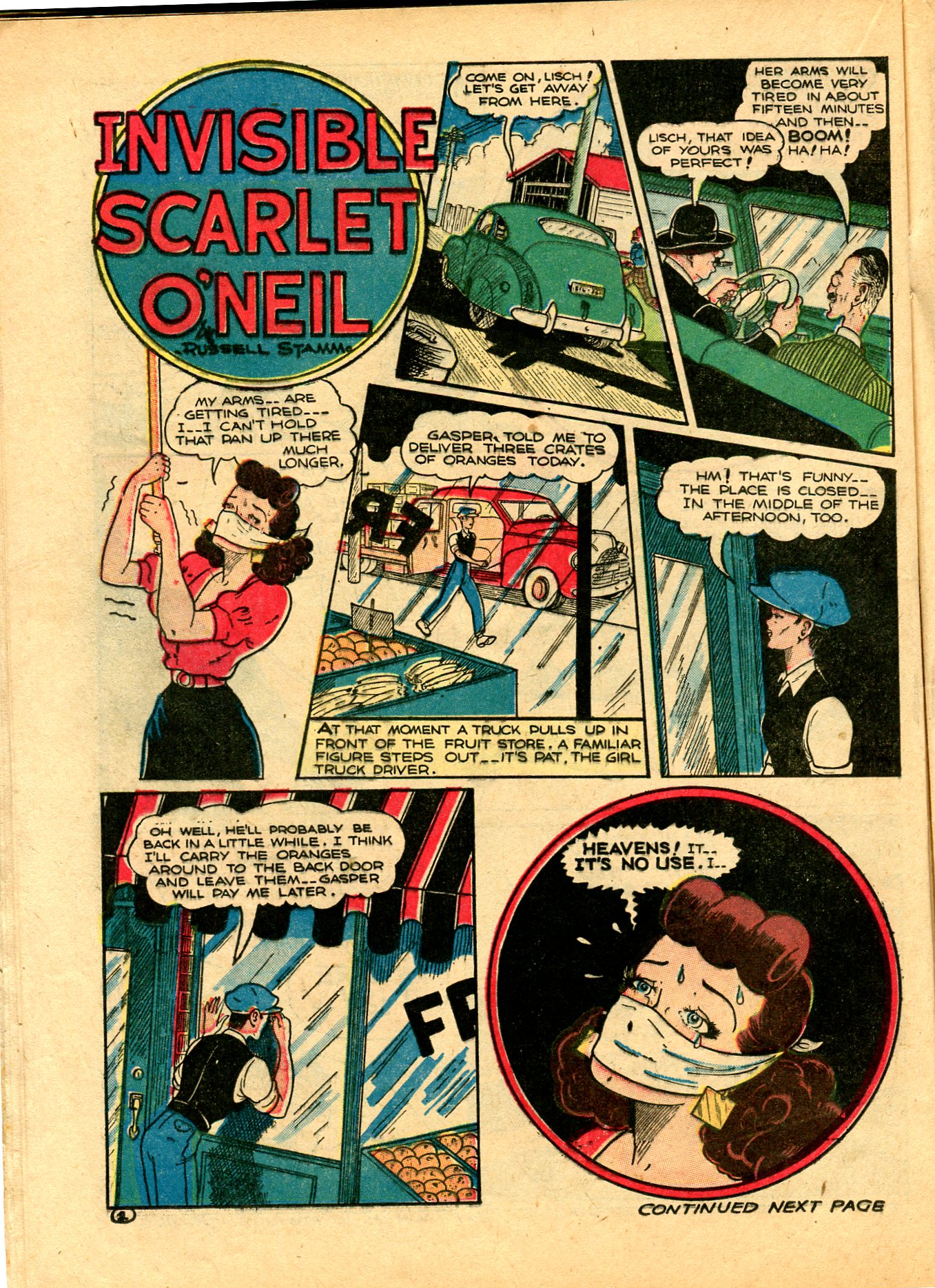
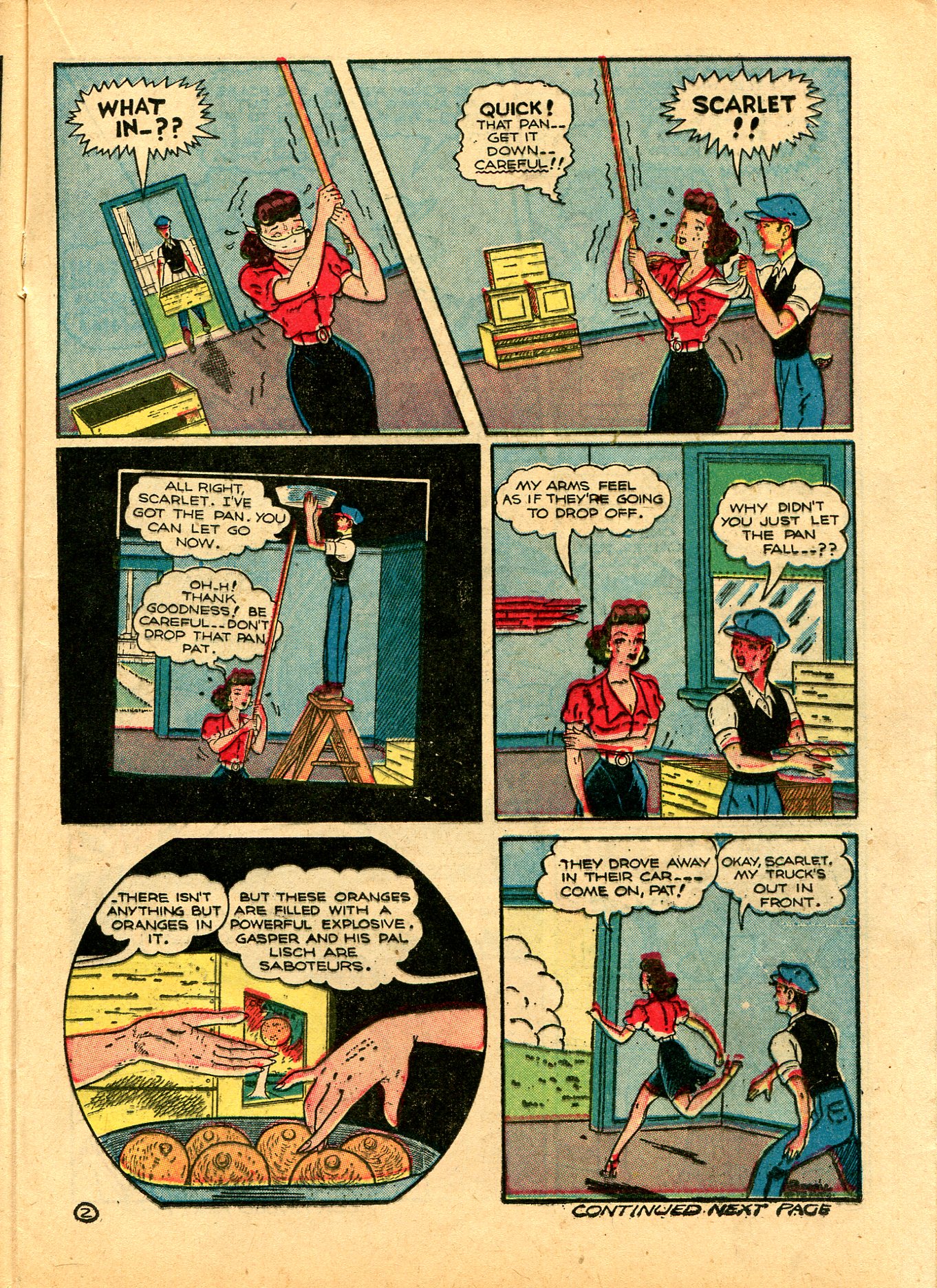
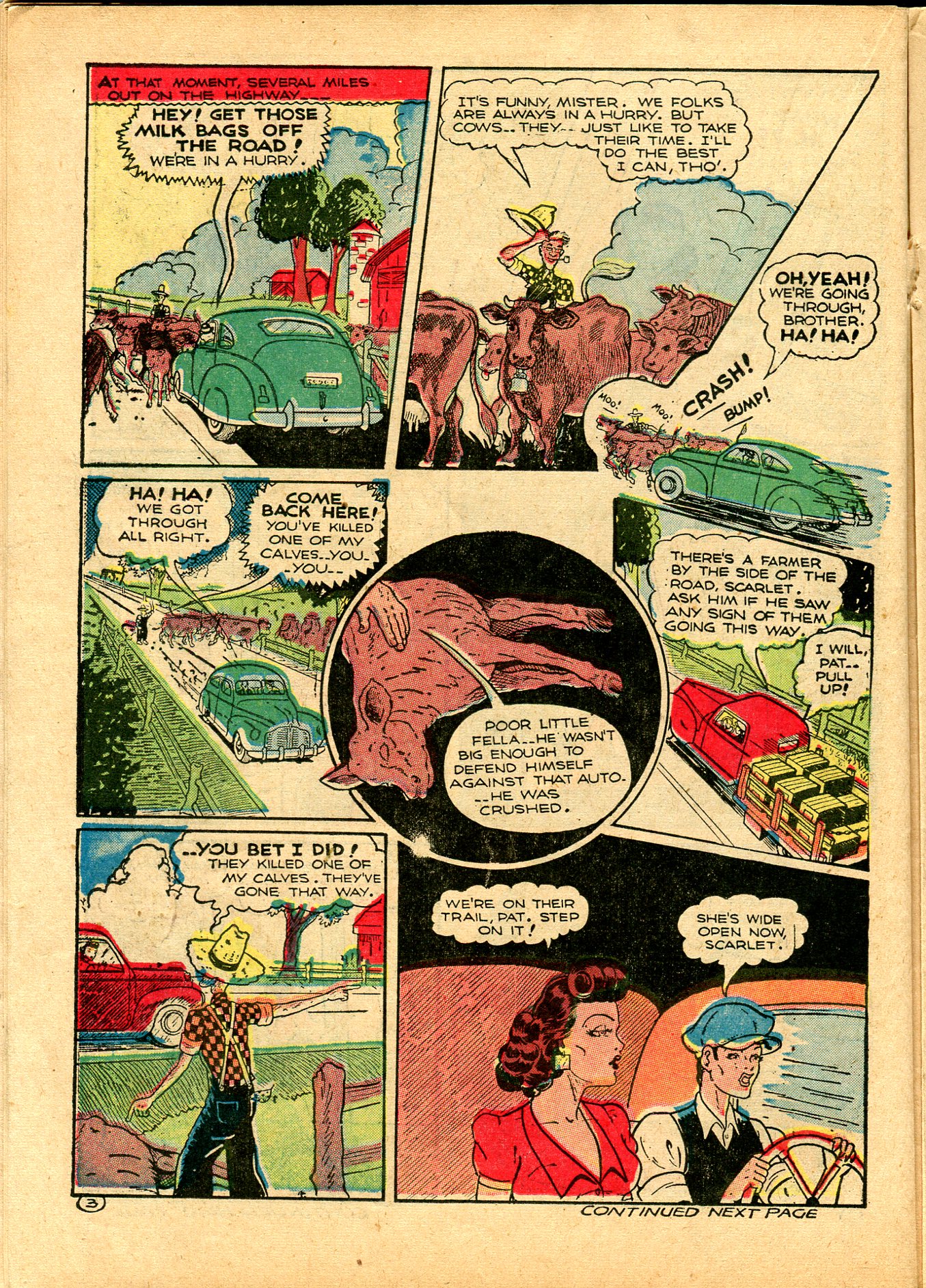
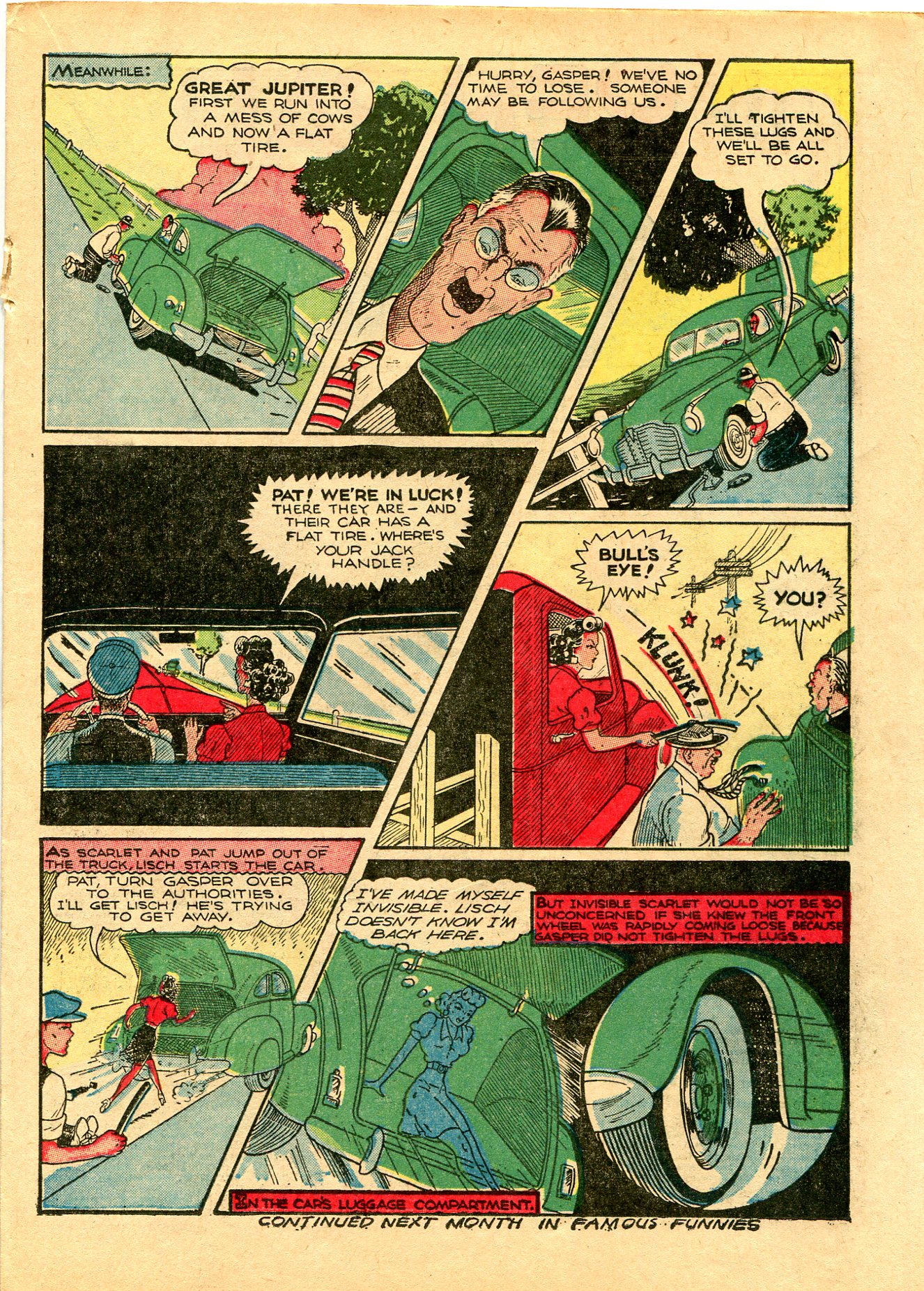
The remarkably primitative/eccentric Invisible Scarlet O’Neil by Russell Stamm was, naturally, about a woman who could turn invisible. This would make her a “kind of” supehrero as well except Stramm, who was an assistant to Chester Gould, had Scarlet focus more on “sob sister” stuff (i.e., helping people) than fighting physically distinctive criminals.
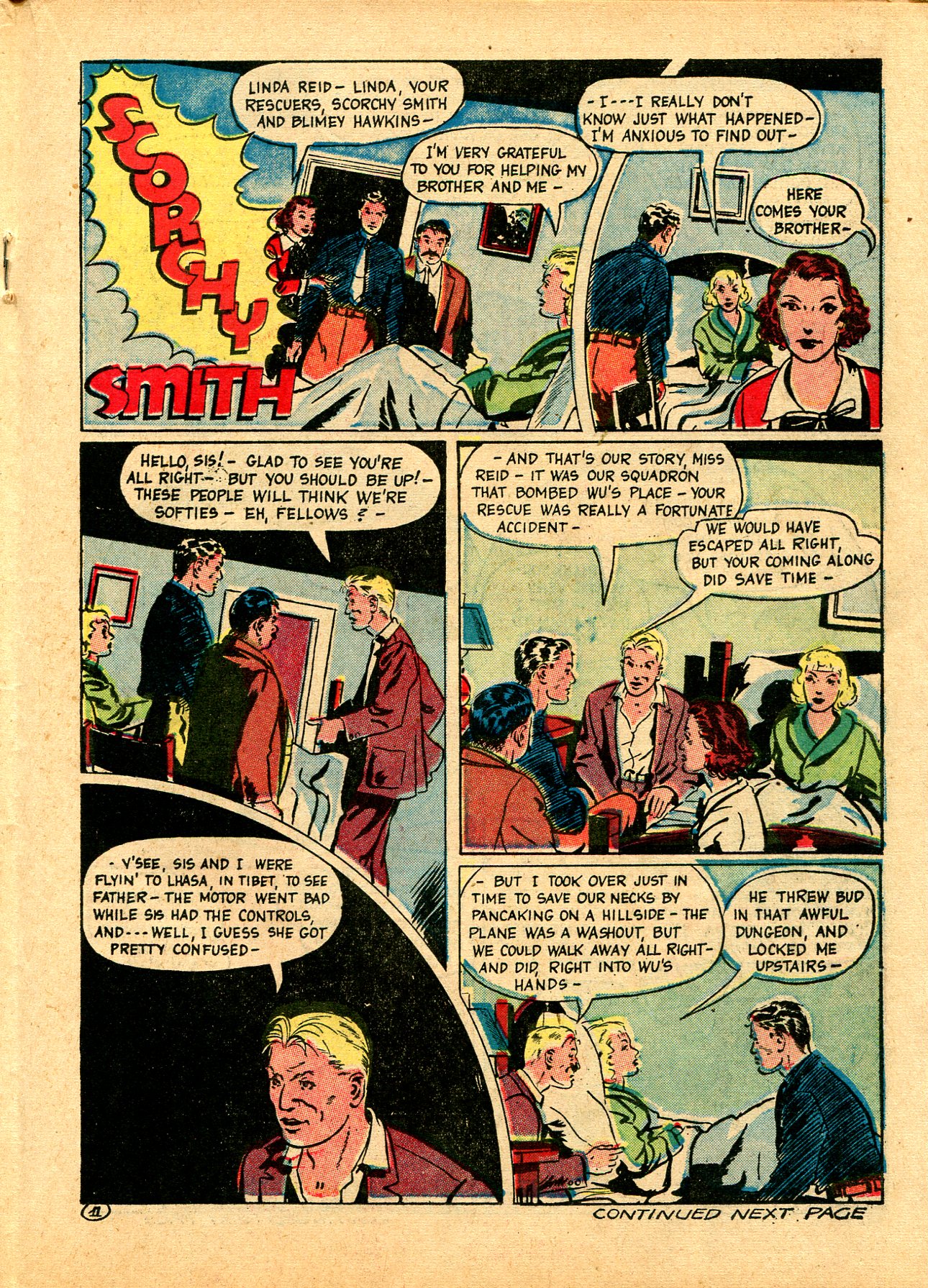
Scorchy Smith was another strip best known for one cartoonist, in this case Noel Sickles, but actually had a long run with other artists drawing it, for instance, Bert Christman. It’s also one of those strips I assumed had ended a lot earlier than it actually did but actually Scorchy managed t appear in the funny pages until 1961 by which it had became more of a science fiction strip.
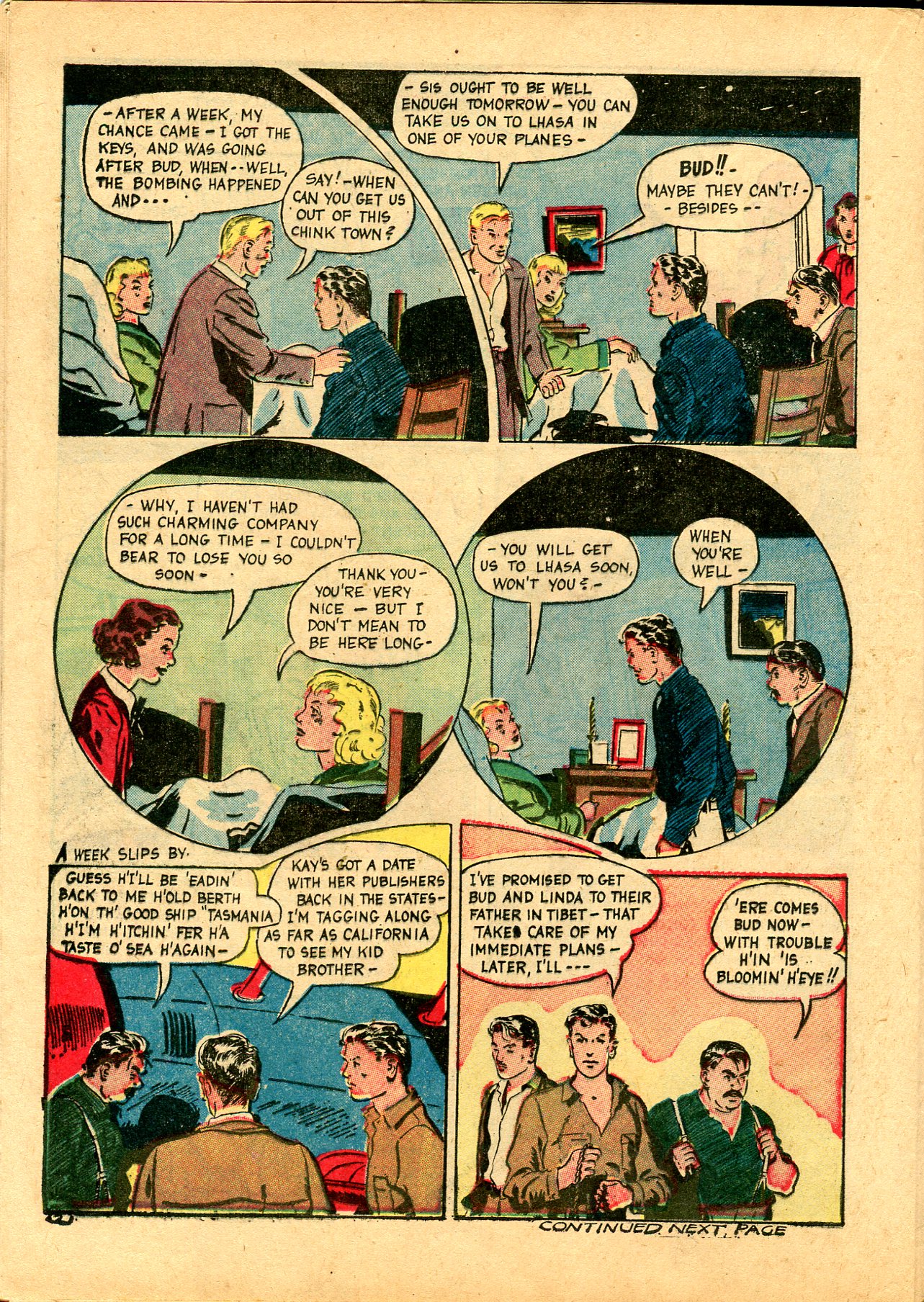
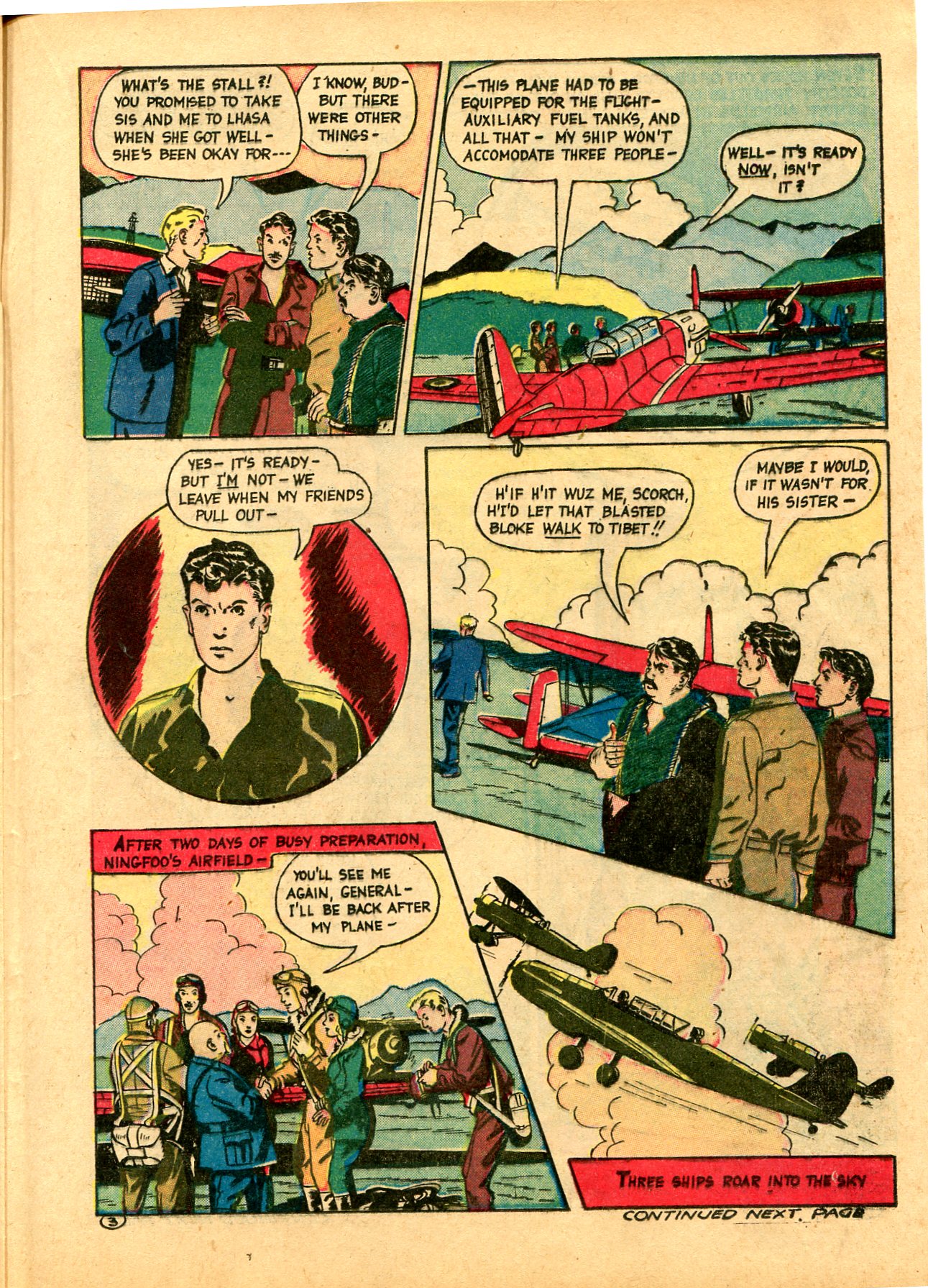
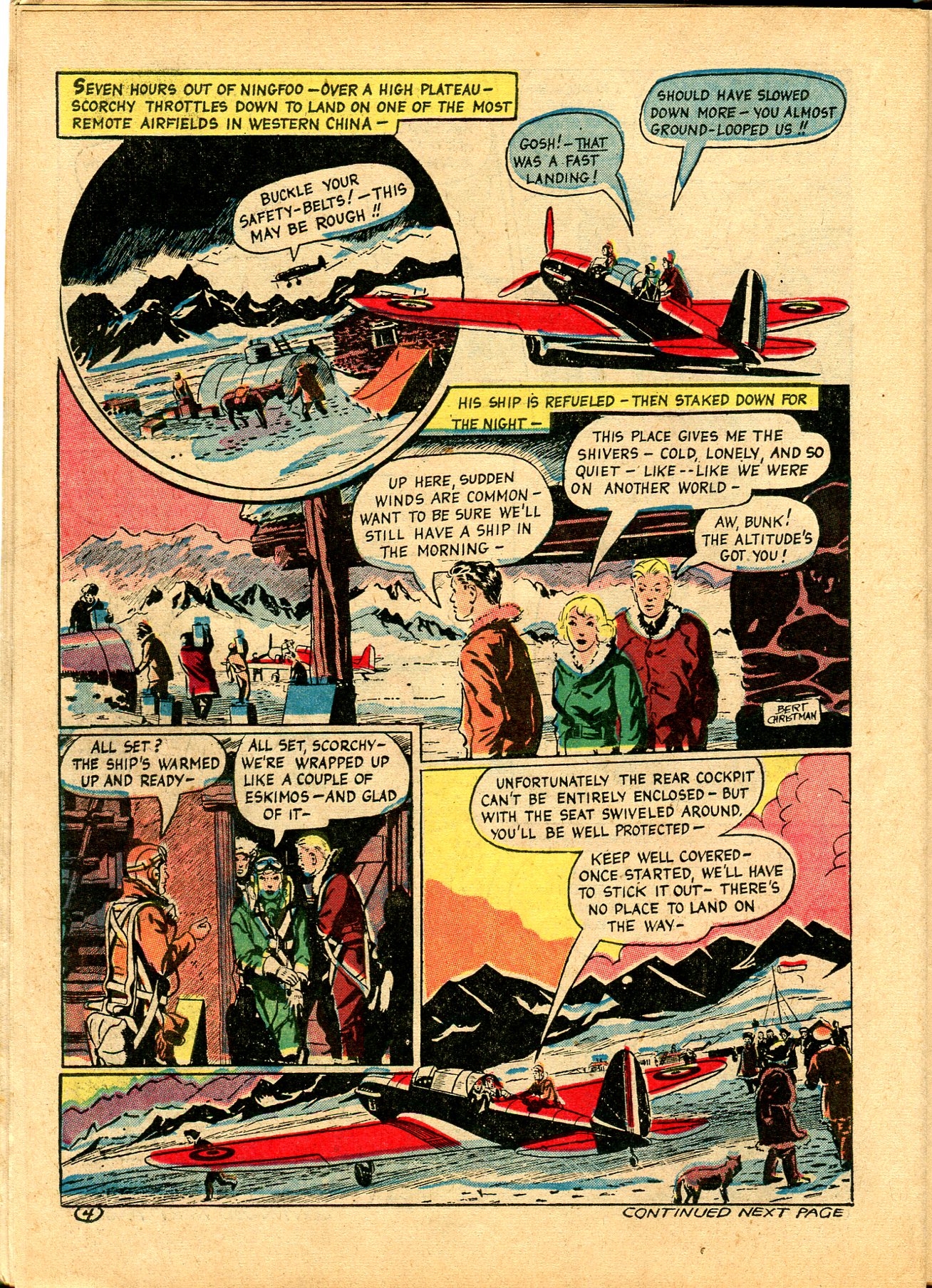
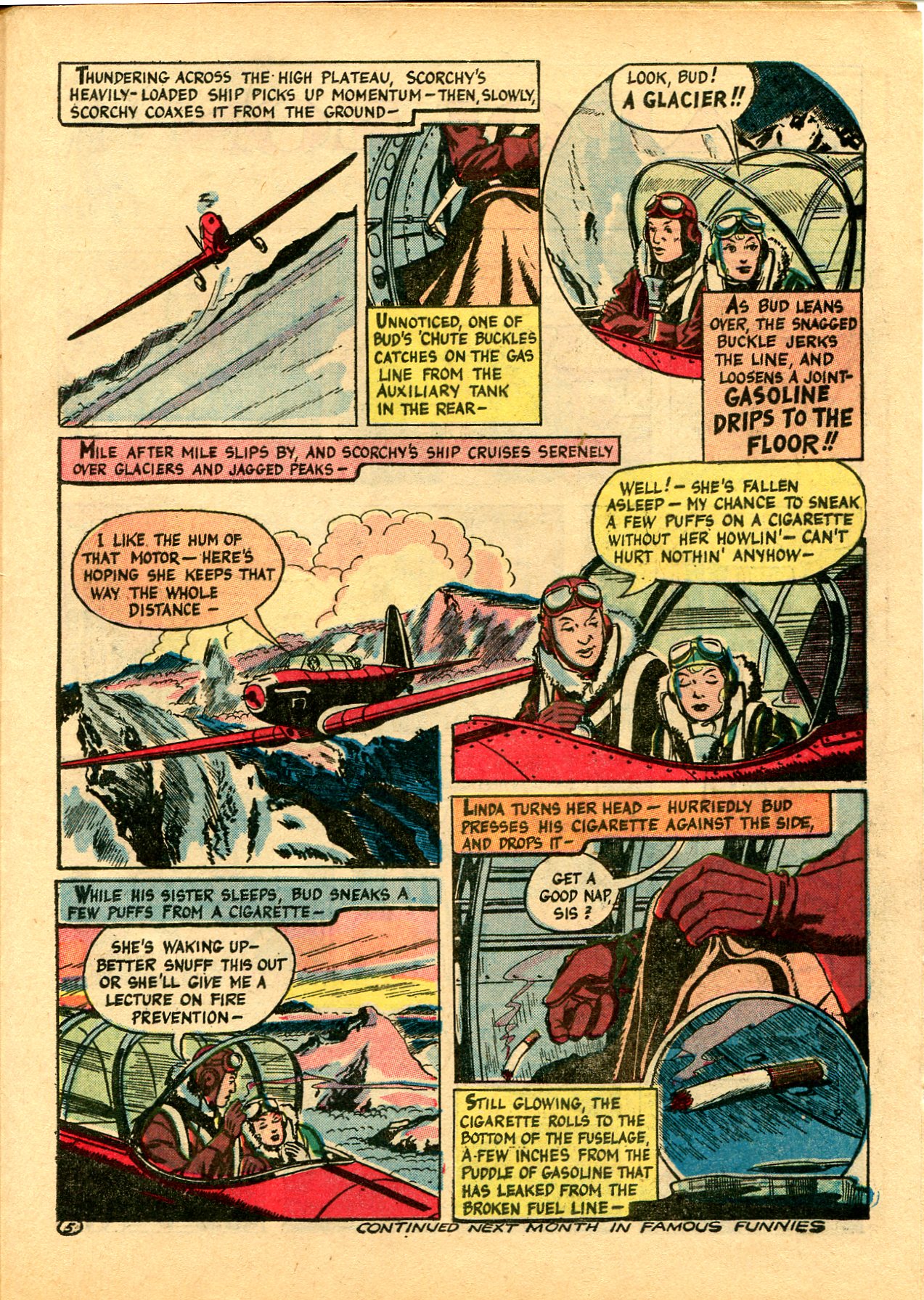
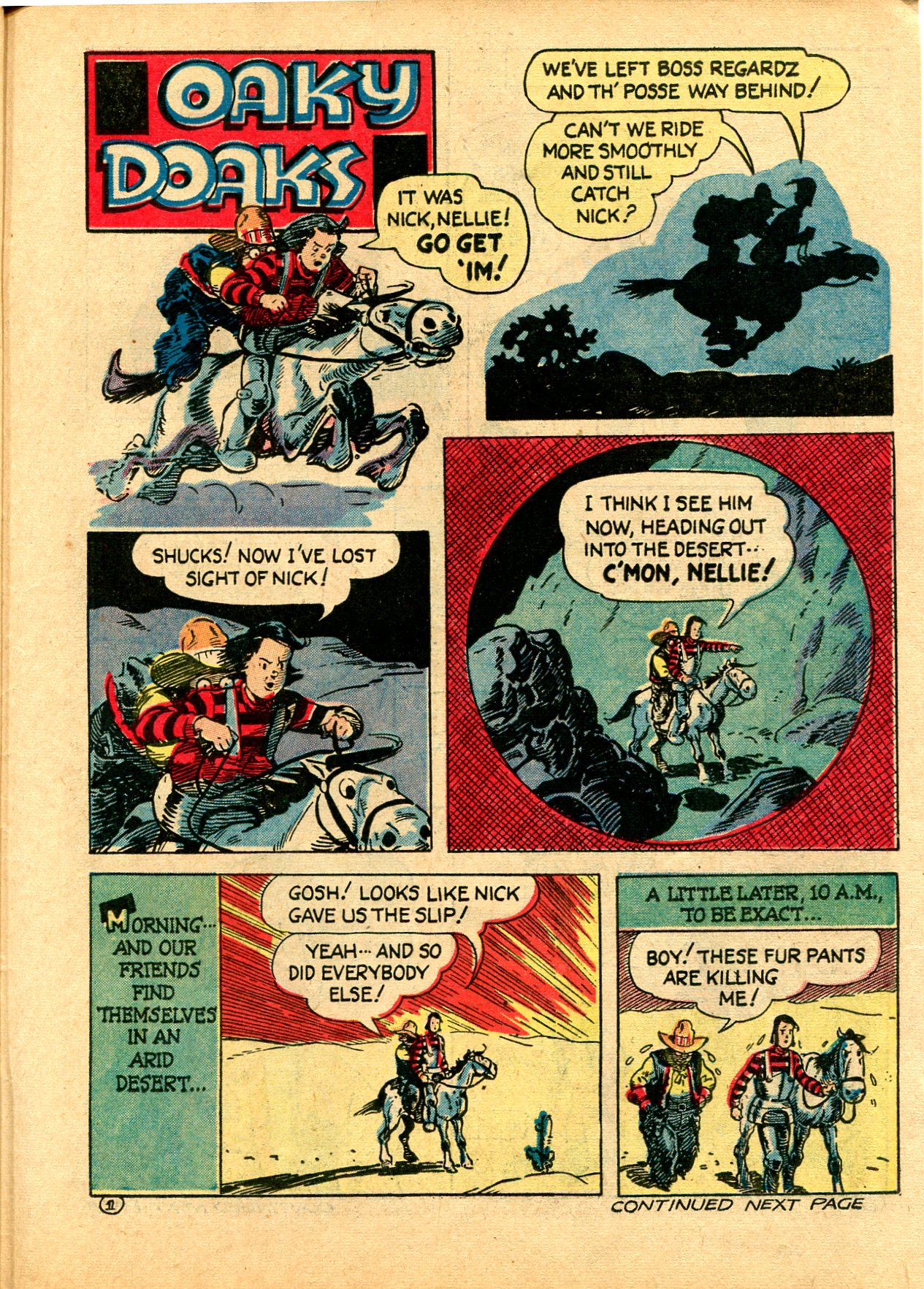
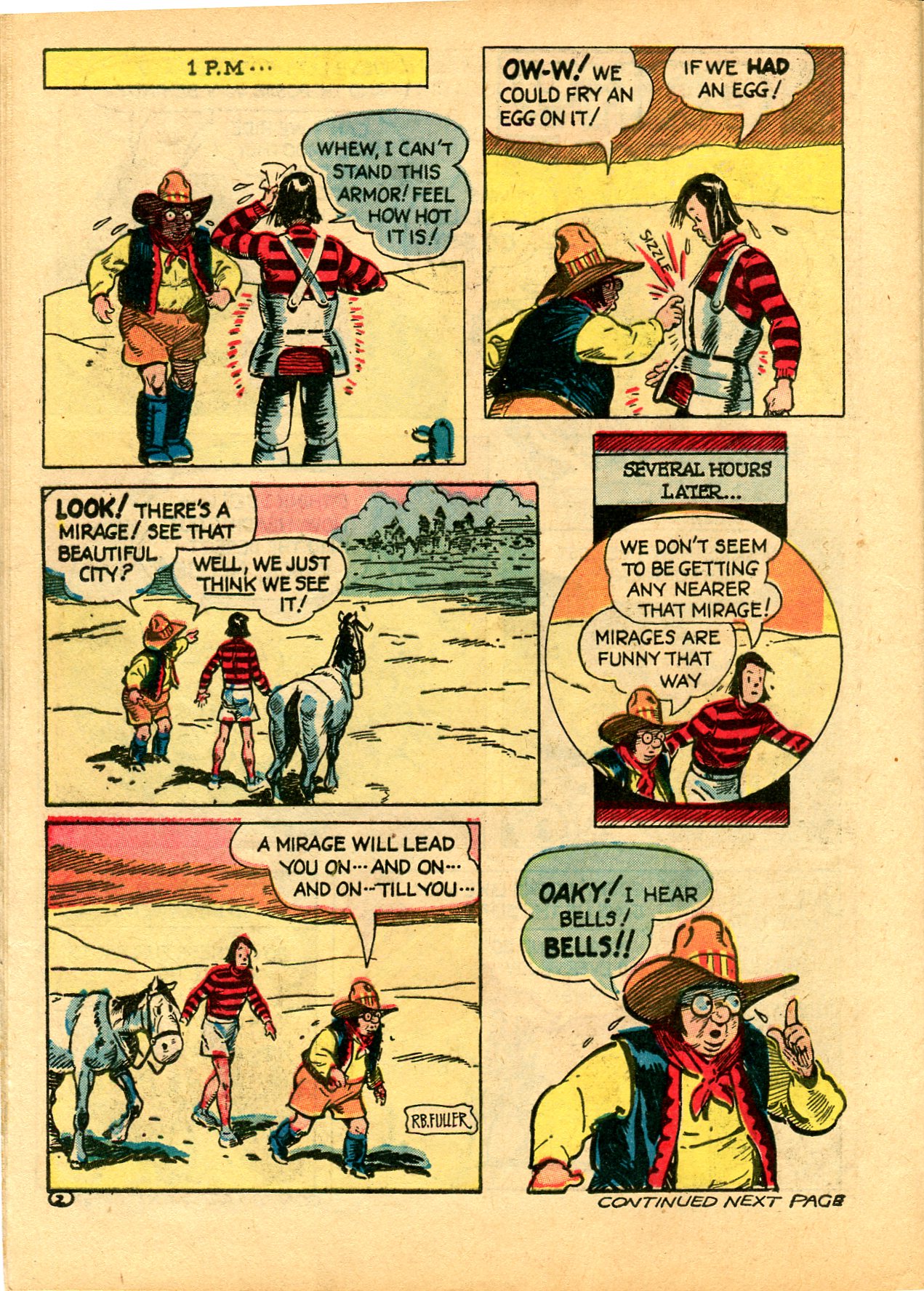
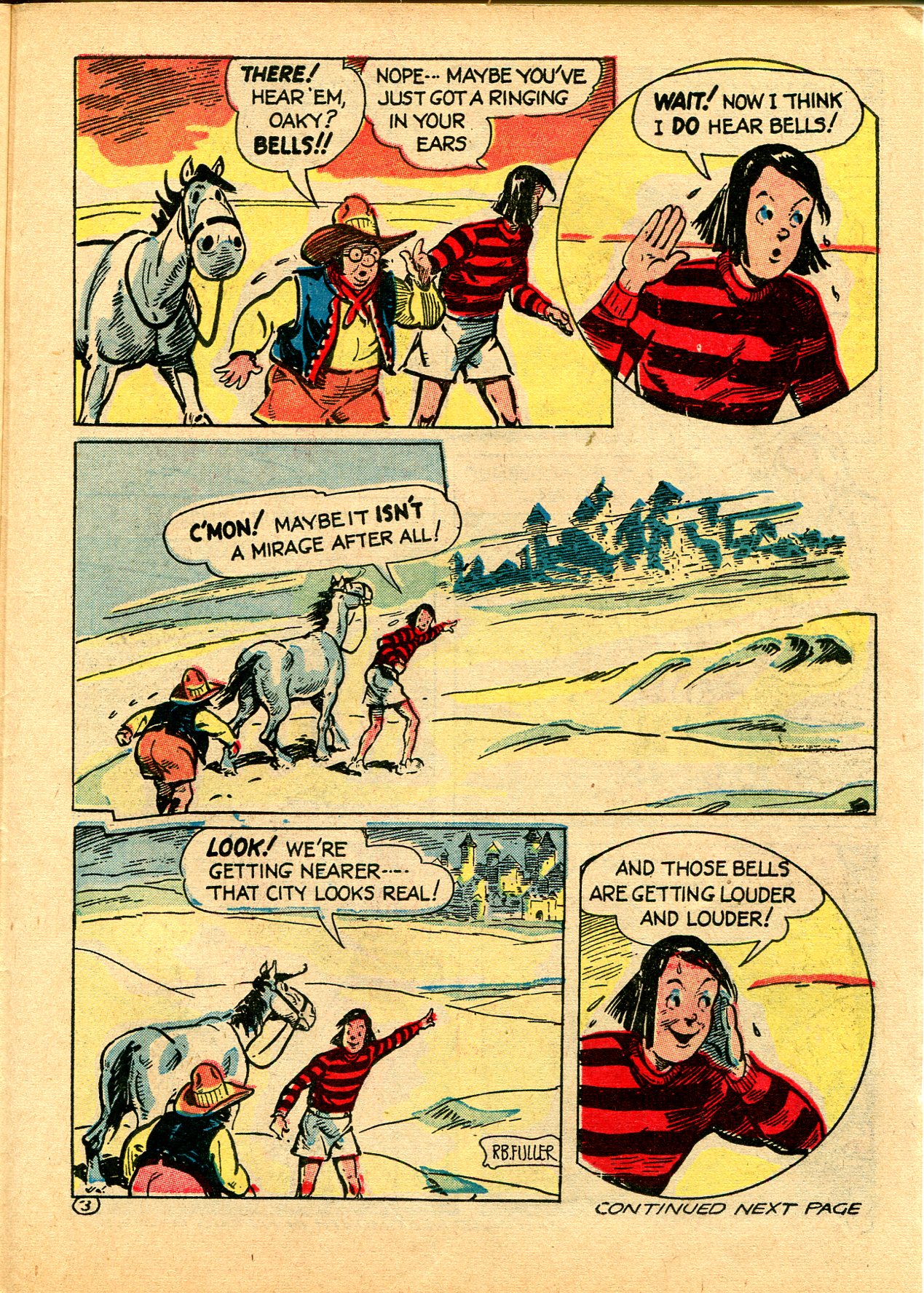
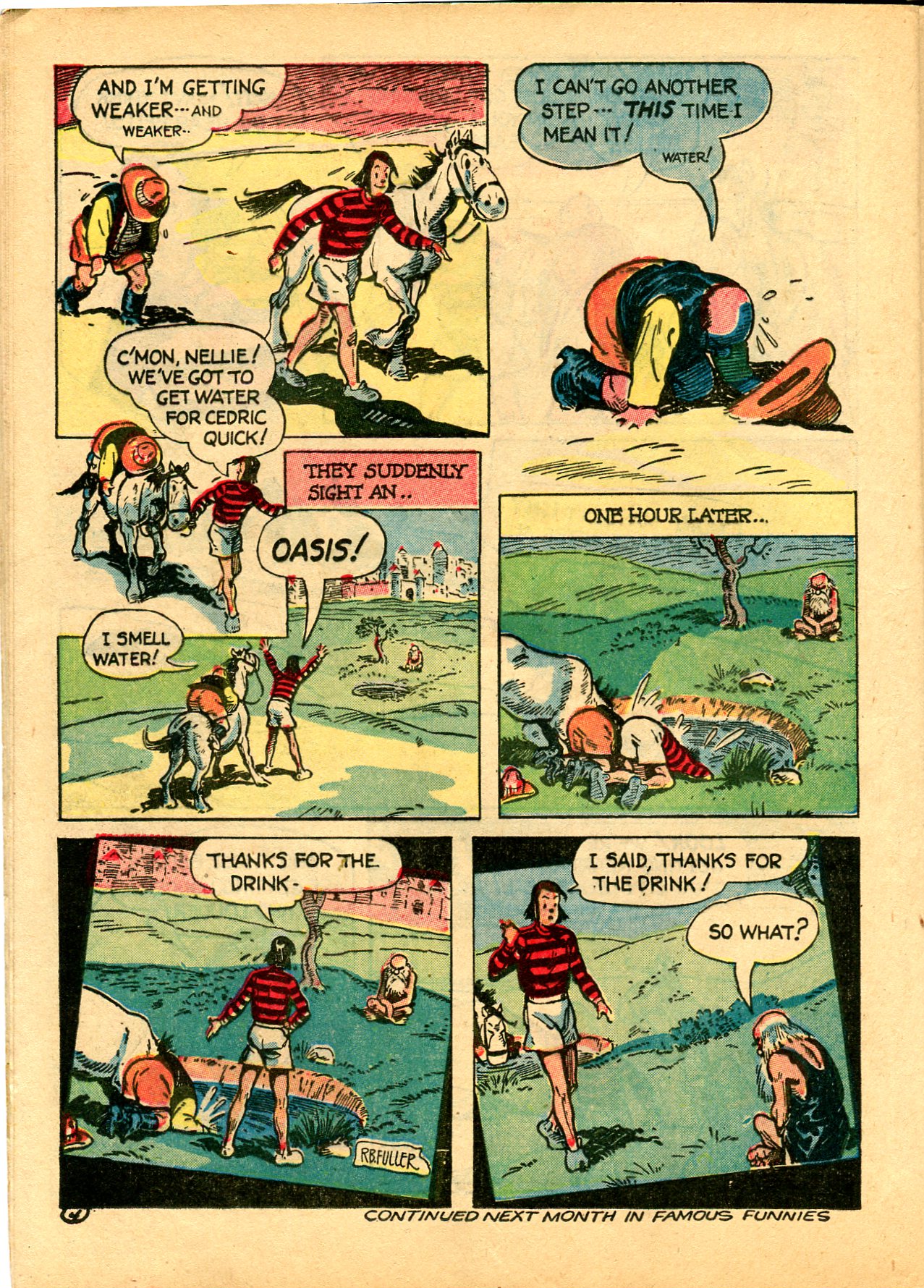
Although well thought of by other comic strip pundits I’ve never quite “gotten” Oaky Doaks by Ralph Fuller and William McCleery, a long-running comedic story strip set in the days of yore about a well meaning self appointed knight. This is due in part to the fact that so far I’ve haven’t been able to read an entire sequence and partially because it never “grabbed” me — to be honest, whenever I did think of the strip it was always as “Alley Oop in medieval times”. Oddly enough at some point like Oop the characters in Oaky Doaks somehow managed to work their way to more or less to the present, as seen in this sequence (note the cowboy hat). It was without question a handsome, well staged feature.
* I once got into a ‘thing’ in my Confessions of a Comic Book Guy column on the ICv.2 site as to whether it was in fact the actual “first”comic book or not; I realize that there were predecessors like The Funnies and Funnies On Parade not to mention decades of collections of comic strips previous to that, but along being the best known and the one that most closely physically resemblances the modern comic book, since most people already think that it is we might as well say that it is. But, honestly, I really don’t have a horse in this race.
— Steve Bennett