
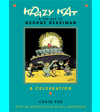



Reprintaroo, Cowboy!

According to the UK website How to Learn Spanish (http://www.howtolearnspanish.co.uk), the American craze of adding -aroo to existing words to make goofy words like “stinkaroo” started in the 1930s. It all started with “buckaroo,” which came from “vaquero,” the Spanish word for cowboy.
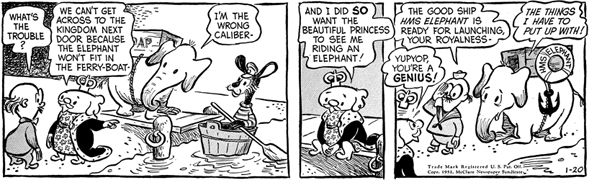
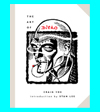
Jack Kent was an enthusiastic fellow who loved language and cartooning and invented a bunch of goofy words of his own. Not least of these was King Aroo, the star of his sweet and hilarious strip about the fat little king of Myopia. Verging on oblivion, King Aroo and his subjects are now enjoying reprints in all their foolish glory by IDW and the Library of American Comics. Volume 1, released in February, is perfectly designed for the reprint enthusiast. With a superb introduction by Bruce Canwell, and a loving tribute from Sergio Aragones, the book is fat and heavy. It’s the kind of book that will remind you that Kent’s legacy is substantial. You will love it.
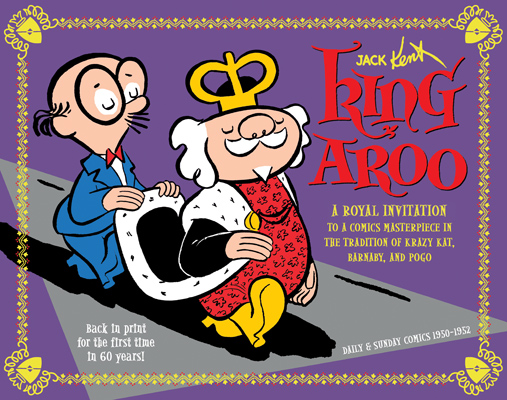
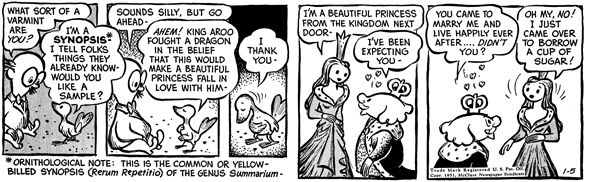
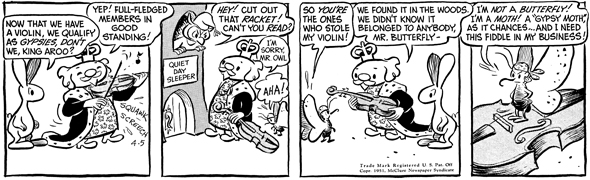
King Aroo is a joyous extravaganza of puns, neologisms, jokey sounds, and lusciously round lines. The strip is friendly, warm and gentle. You can spend your life deconstructing the thing, and you’ll never find a single discouraging word. There is no edginess here, no melancholy, no hint of bitterness. There is not a cloud in Myopia’s sky! Just awesome cartooning.
ITCH had an insanely brief chat with the book’s designer, Dean Mullaney. It was nothing but an excuse to share some of this awesome art with you.
ITCH: I have to admit, King Aroo is my favorite title of all the stellar reprints to date from the Library of American Comics. You have so many comics artists to choose from. Why choose Jack Kent?
DM: Part of our plan in establishing the Library of American Comics was to present lesser-known strip classics such as King Aroo that have not been previously collected. I’ve been in love with the strip from the time I saw the few examples Bill Blackbeard reprinted in The Smithsonian Collection of Newspaper Comics. It was a series that cried out to be seen by a new and larger audience.
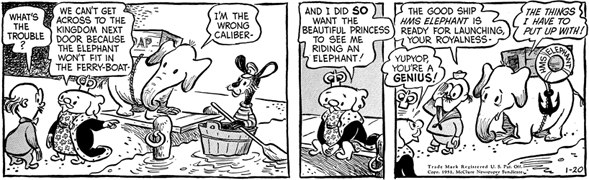
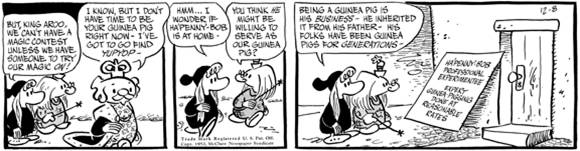
King Aroo and Peanuts debuted at the same time, both of them created by veterans of WWII. Yet King Aroo — charming, funny, sweet, and endlessly creative — shows none of the pathos and alienation of Peanuts. What do you suppose accounts for the contrast?
The mark of a great cartoonist is his or her singular voice. Sparky Schulz put much of his own personality into Peanuts, just as Kent expressed his own buoyant optimism and playfulness in King Aroo.
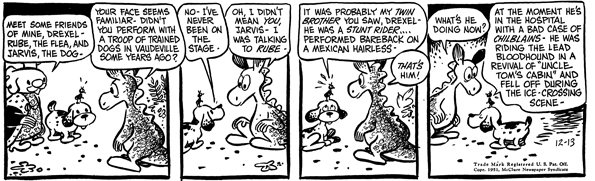
Do we see hints in King Aroo of the language skills Kent acquired while stationed in Alaska?
There appears to some of that in the strip, yet Kent’s enthusiasm for language predates his time in the Armed Services. His early cartooning efforts as a teenager display his fascination with the clever puns and literary themes that became a major part of his approach to cartooning.
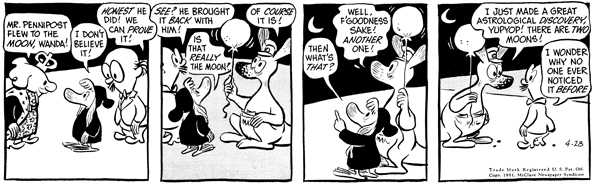
King Aroo also debuted around the time of Pogo, yet King Aroo is not nearly as well known as either Peanuts or Pogo. How did that happen?
The vagaries of the marketplace. Who’s to say why one piece of art becomes more popular than another?
Who is your favorite old-time cartoonist?
From when I first saw Terry and the Pirates in the early ’70s: Milton Caniff, Milton Caniff, and Milton Caniff.
Thanks, Dean!

— beth