Get these books by
Craig Yoe: |
|
|
|
|
|
|
|
|
|
|
|
|
|
|
|
|
|
|
|
|
|
|
|
|
|
|
|
|
|
|
|
|
|
|
|
|
|
|
|
|
|
|
|
|
|
|
|
|
|
|
|
|
|
|
|
|
|
|
|
Thursday, February 6, 2026

For this year’s round of African American History Month postings, we open with cartoonist David Claypoole Johnston‘s Civil War-era broadsheet, “The House That Jeff Built”. Johnston is remembered mainly for his collections of non-sequential single panel images, “Scraps”, beginning in 1828. This is one of but a few times Johnston instead arranged his page to tell a unified multi-panel comic strip story. Johnston died in 1865, after the War’s conclusion.
Click on the above picture, to view the story in detail, and be able read its text.
Watch later this month, for a second Civil War-themed “House that Jack Built”-inspired parody.
Doug Wheeler
Jeff Davis Jefferson Davis
— Doug
Posted at 11:02 PM
Posted in Classic Cartoonists, General, Political Cartoons | permalink | No Comments »
Tuesday, February 4, 2026

If you thought Spider-Man was amazing, wait until you see Italian Spiderman!
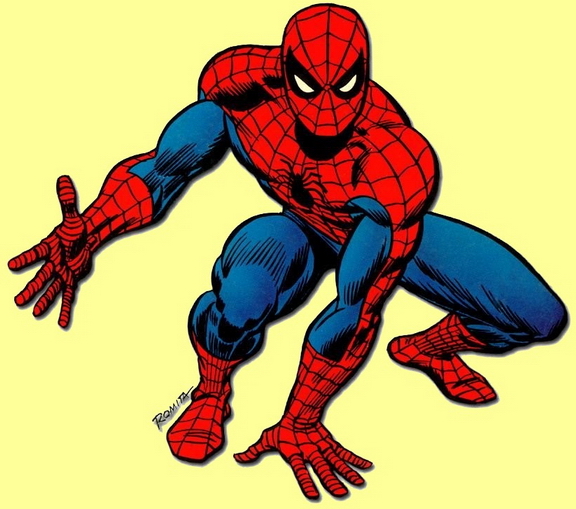
Continuing the theme of the last few weeks, we’re sharing another Spider-Man-oriented song this Tuesday. This one comes to us by way of Italy which has its own Spiderman, apparently. Who knew? And you can’t have a Spiderman without a Spiderman theme song, so that’s exactly what we have for you.
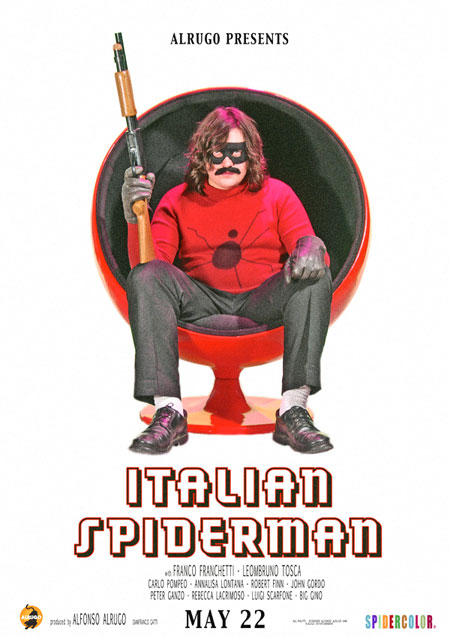
I don’t know if this theme is better than the American theme. That’s not the point. The point is that there’s a heckuva lot of songs about that nexus of spiders and men (similar to the amount about bats + men) and that’s our stated purpose here, to share the joy of comics and music.

So without further ado, click the link below and prepare to be amazed.

Italian Spiderman - Enzo Bontempi
— DJ David B.
Posted at 10:02 AM
Posted in Comics-Tunes | permalink | No Comments »
Monday, February 3, 2026
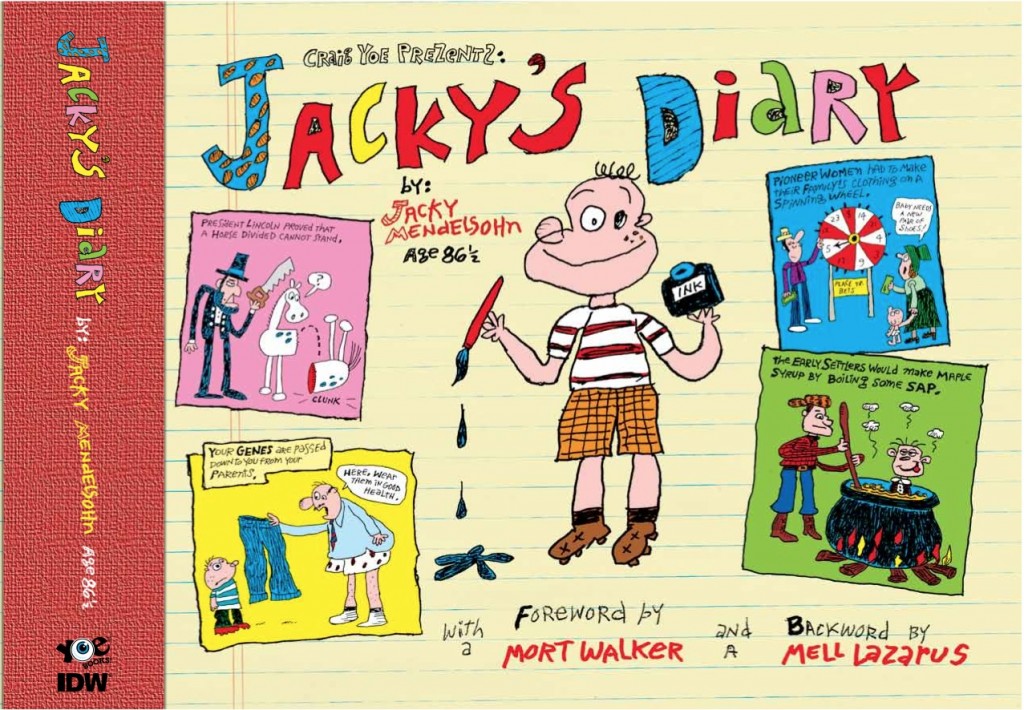
When I was a young boy, I wanted nothing as much as I wanted to draw my own comic strip!
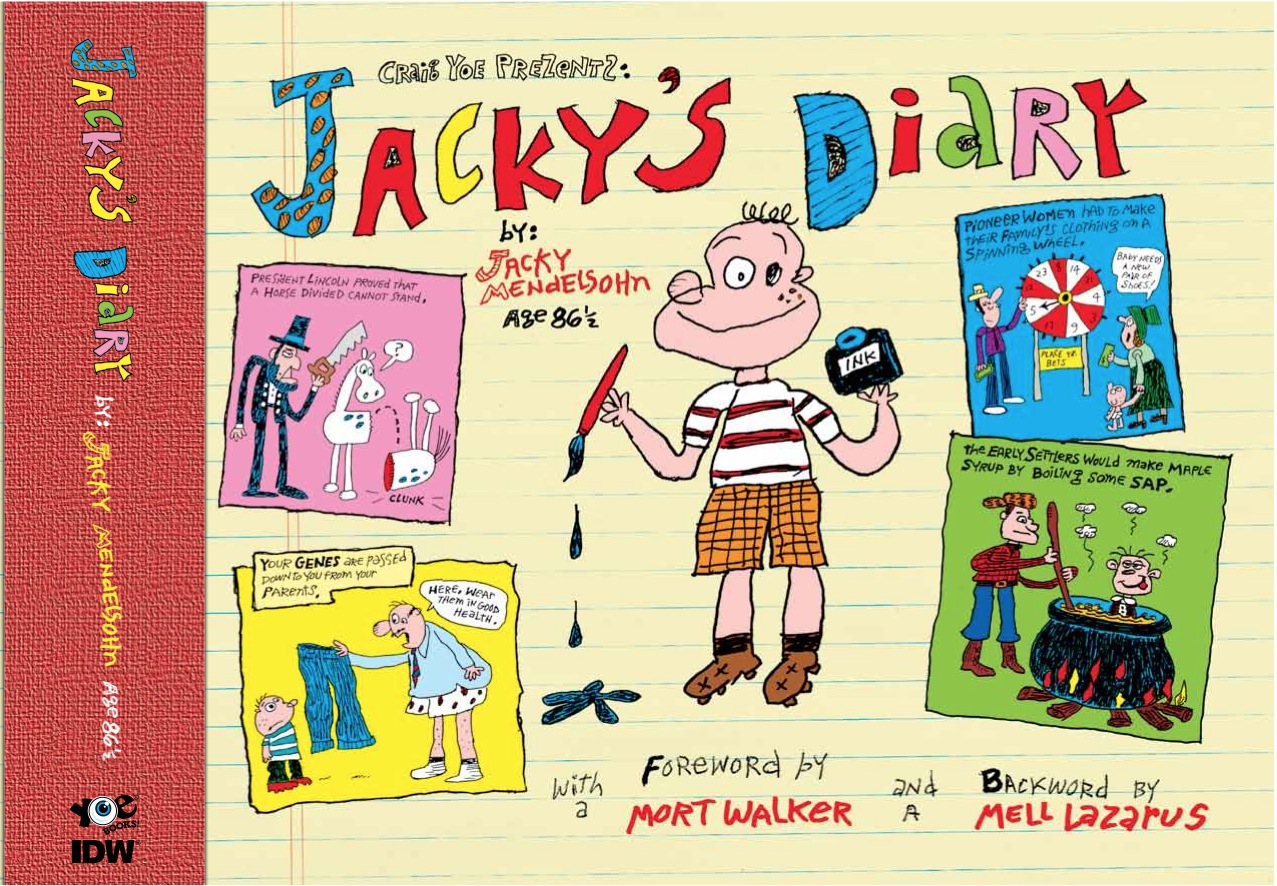
That would have been in the late sixties. Little did I suspect at that point that Jack Mendelsohn had already done what I wanted to do, and a full decade earlier at that…AND with the added perspective of being 31 and 1/2 when he wrote and drew JACKY’S DIARY in the style of a small boy.
JACKY’S DIARY ran as a Sunday only strip, beginning exactly 2 days after I was born in 1959! It would run until the very end of 1961 but if it was in my local paper, I was still too young to remember it. In fact, those who do remember it most likely do so because of the unique Dell one-shot comic book that ran in the FOUR-COLOR series.
With its purposely juvenile artwork and schoolyard puns, many find JACKY’S DIARY to be an acquired taste but good humor is good humor and trust me, Jack Mendelsohn knows good humor!
After his comic strip ended, Jack went on to do work for Jay Ward. He did the Beatles cartoons. He wrote for ROWAN AND MARTIN’S LAUGH-IN. He wrote for Carol Burnett. He was a Story Editor on THREE’S COMPANY. He did the TEENAGE MUTANT NINJA TURTLES cartoon. And…he was the main writer on the almost immediately legendary 1968 animated feature, YELLOW SUBMARINE!!!
So I was suitably impressed when packager Craig Yoe drafted me (and my usual colleagues) to help Jack behind the scenes with proofreading and fact-checking on this just-out complete collection of JACKY’S DIARY by Jack, now age 86 and 1/2.
Got my copy in the mail today and I repeat, it is non-stop hilarity. Unlike many Sunday strips where the panels all lead up to a final punchline, every single panel in JACKY’S DIARY is a gag within itself and part of a larger theme that lasts the whole strip and, sometimes, several Sundays!
With its innocent tone and subversively simplistic art, Jack Mendelsohn’s JACKY’S DIARY is going to be a tough sell in today’s market of steroid-plagued super guys and gory zombies but the strip is lionized by many “in the know.” Hopefully they can help get the word out.
If you like to laugh and appreciate unique comics art, then you owe it to yourself to give JACKY’S DIARY a try. Without a doubt, being associated with this volume has been one of my proudest book experiences! Thanks Craig! And a special thanks to Jacky, himself!
— booksteve
Posted at 08:02 PM
Posted in General | permalink | No Comments »
Monday, February 3, 2026

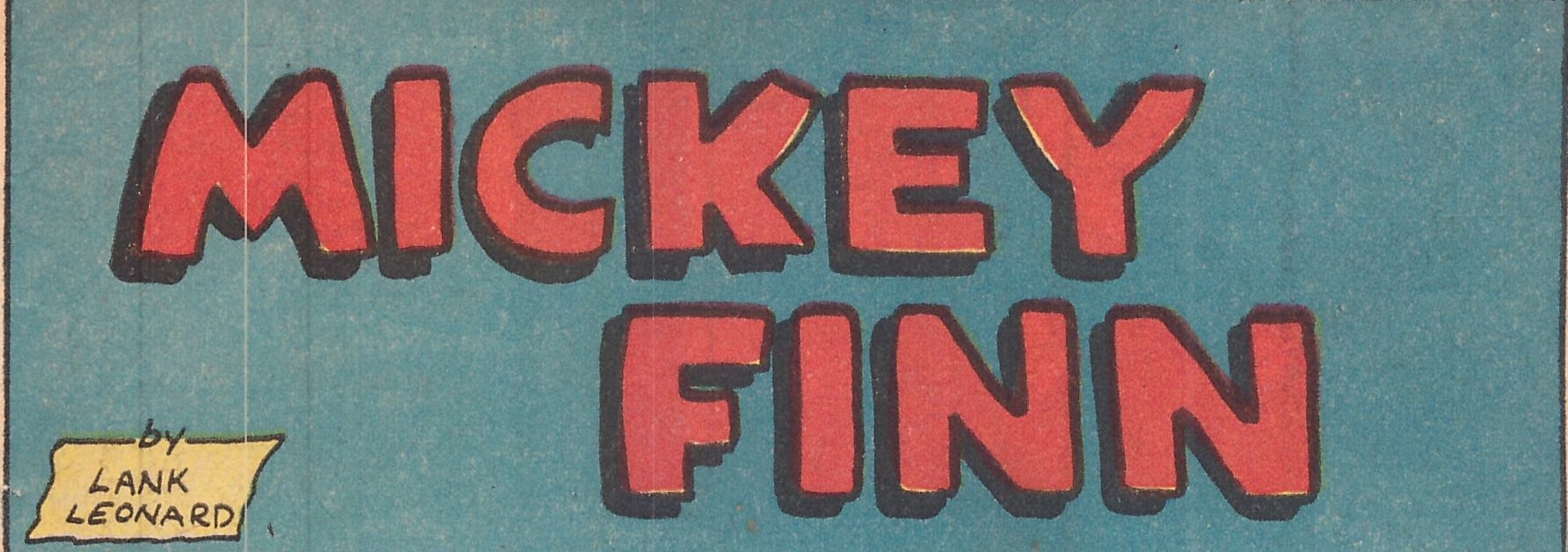
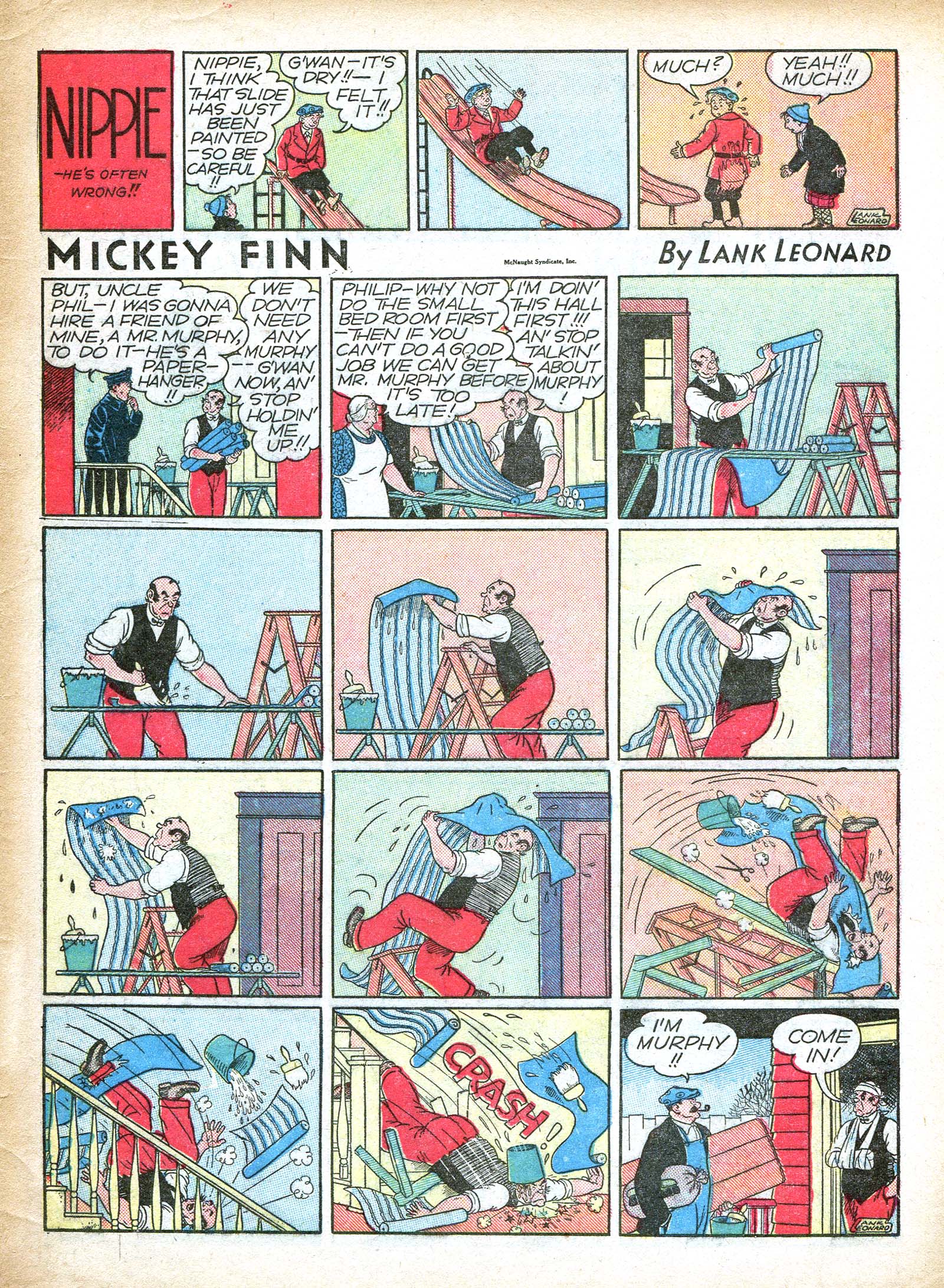
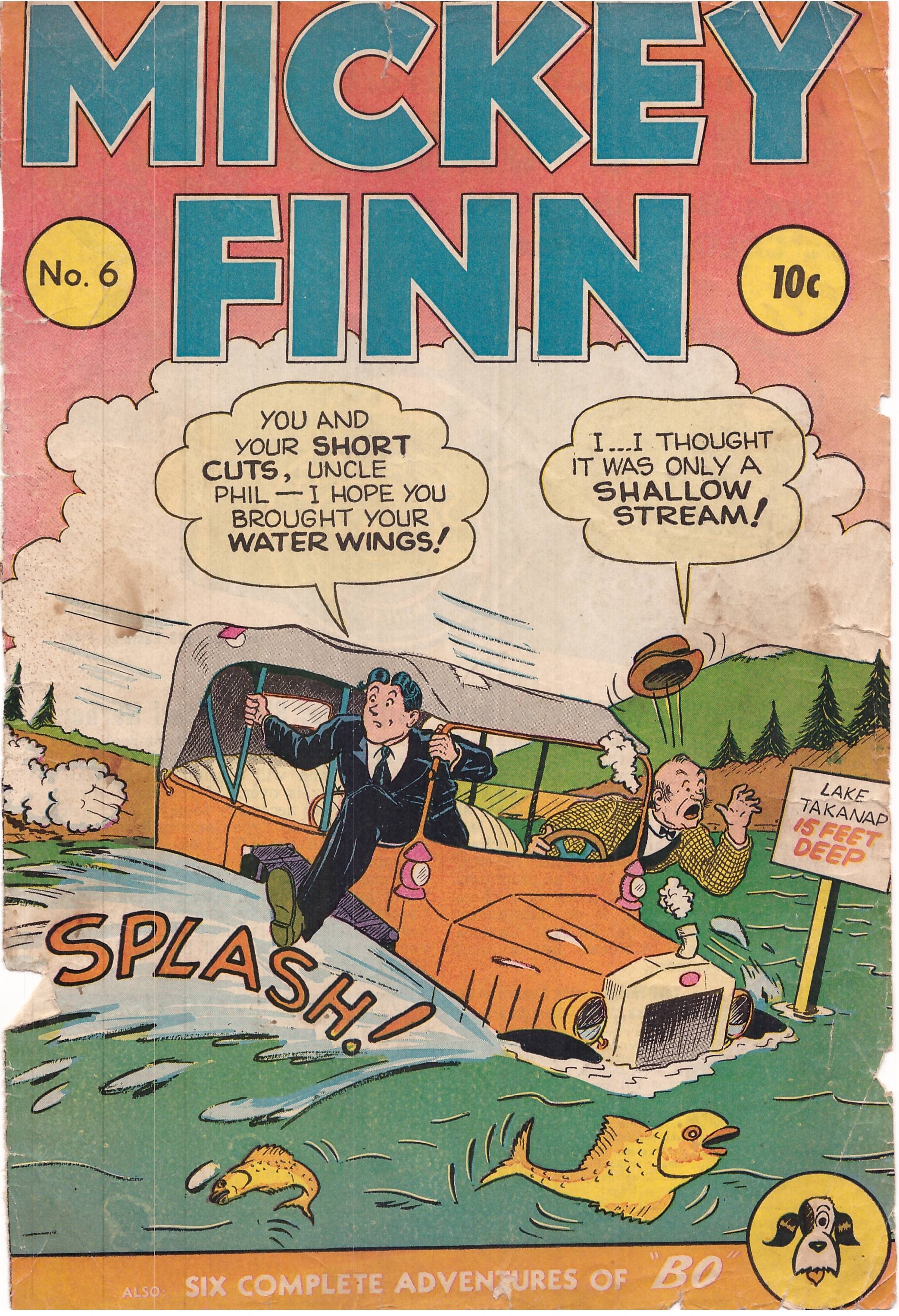
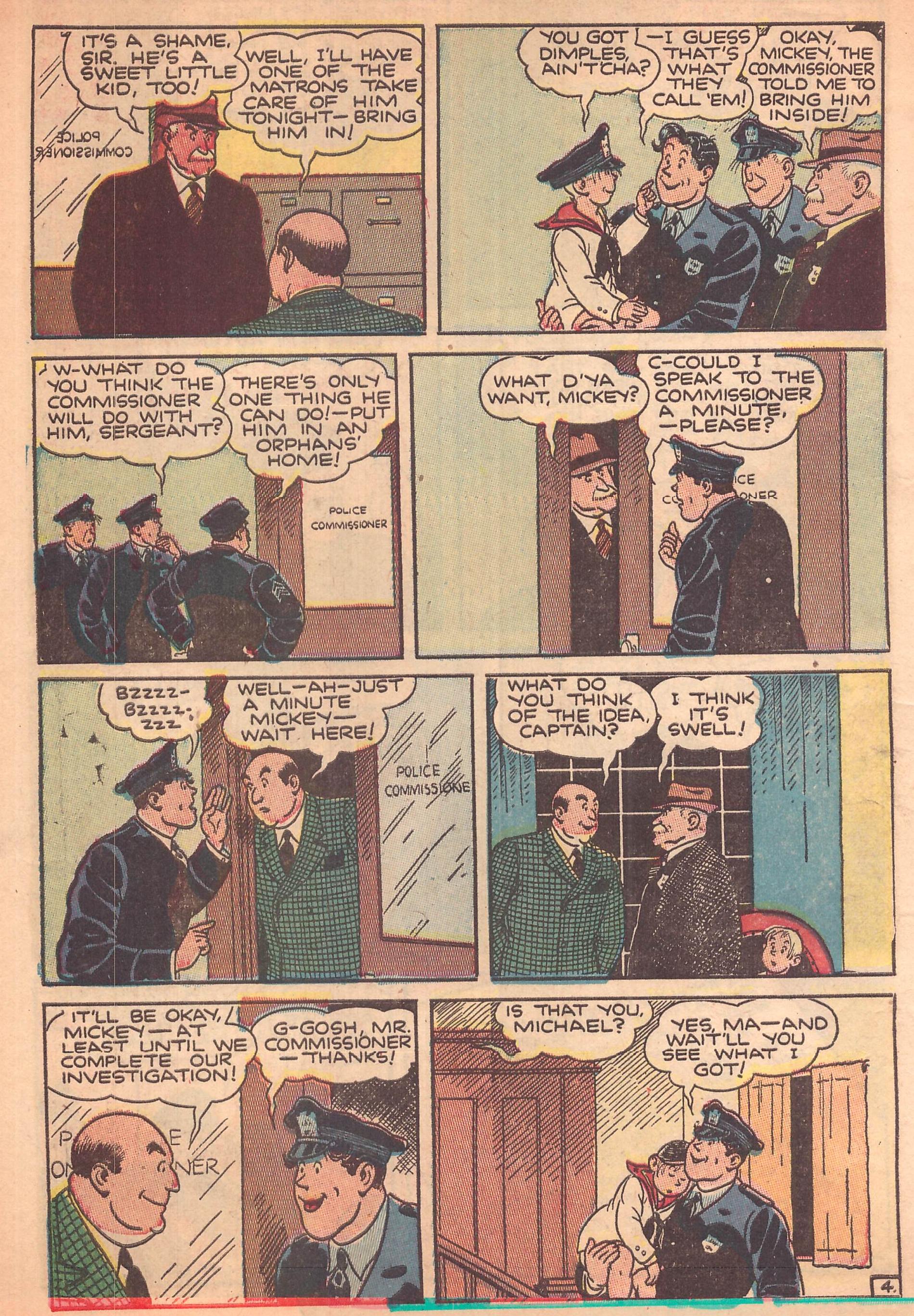
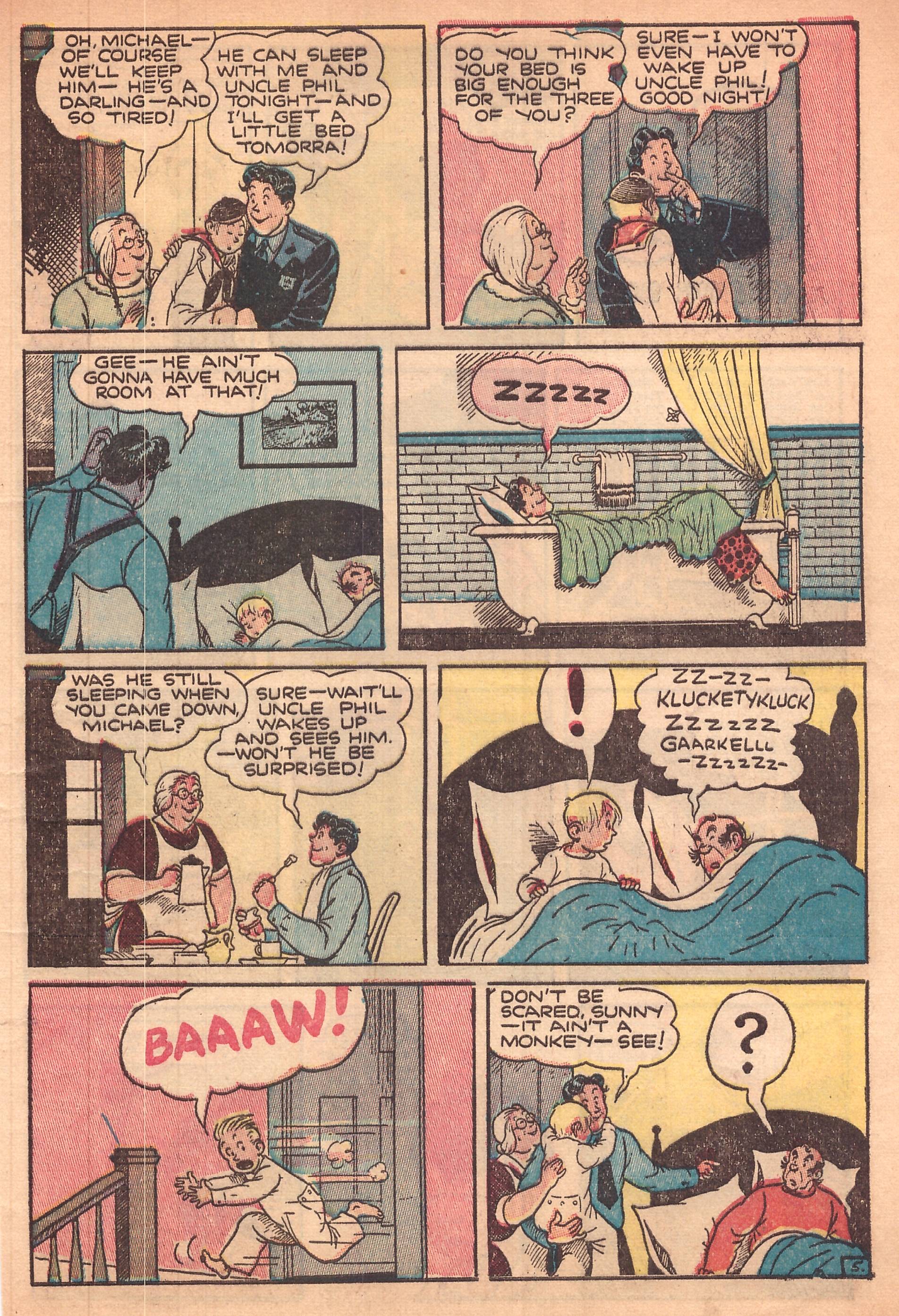
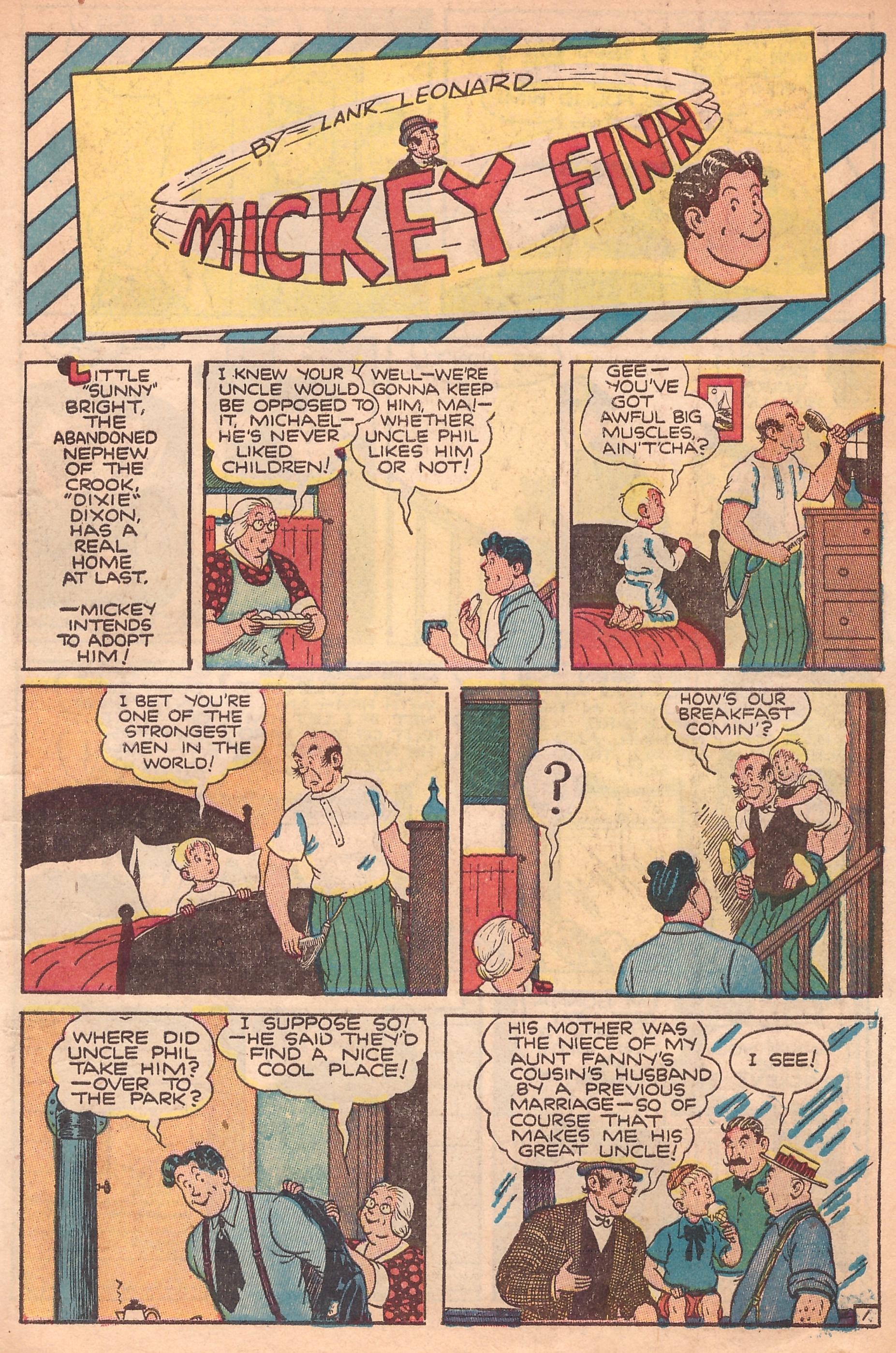
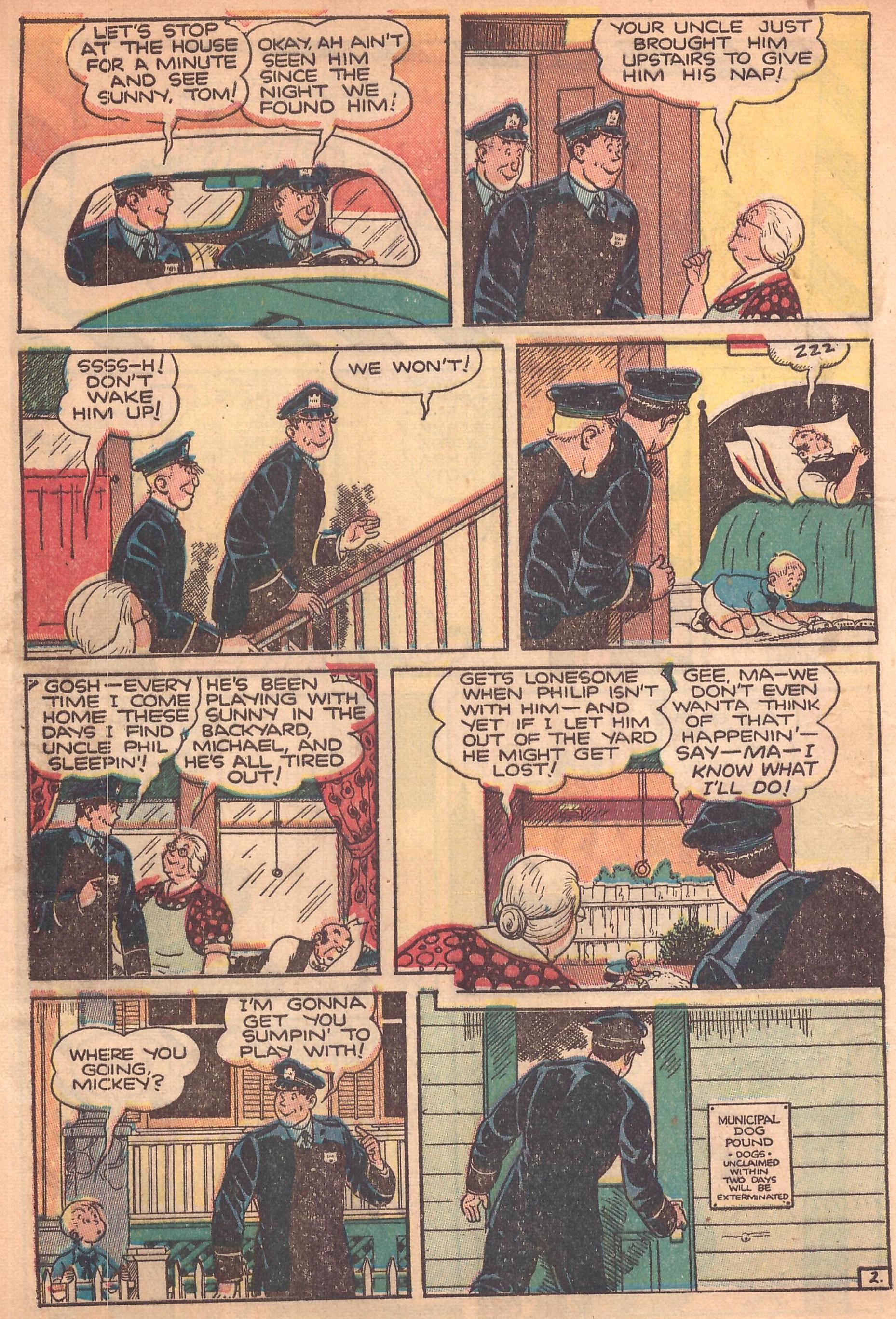
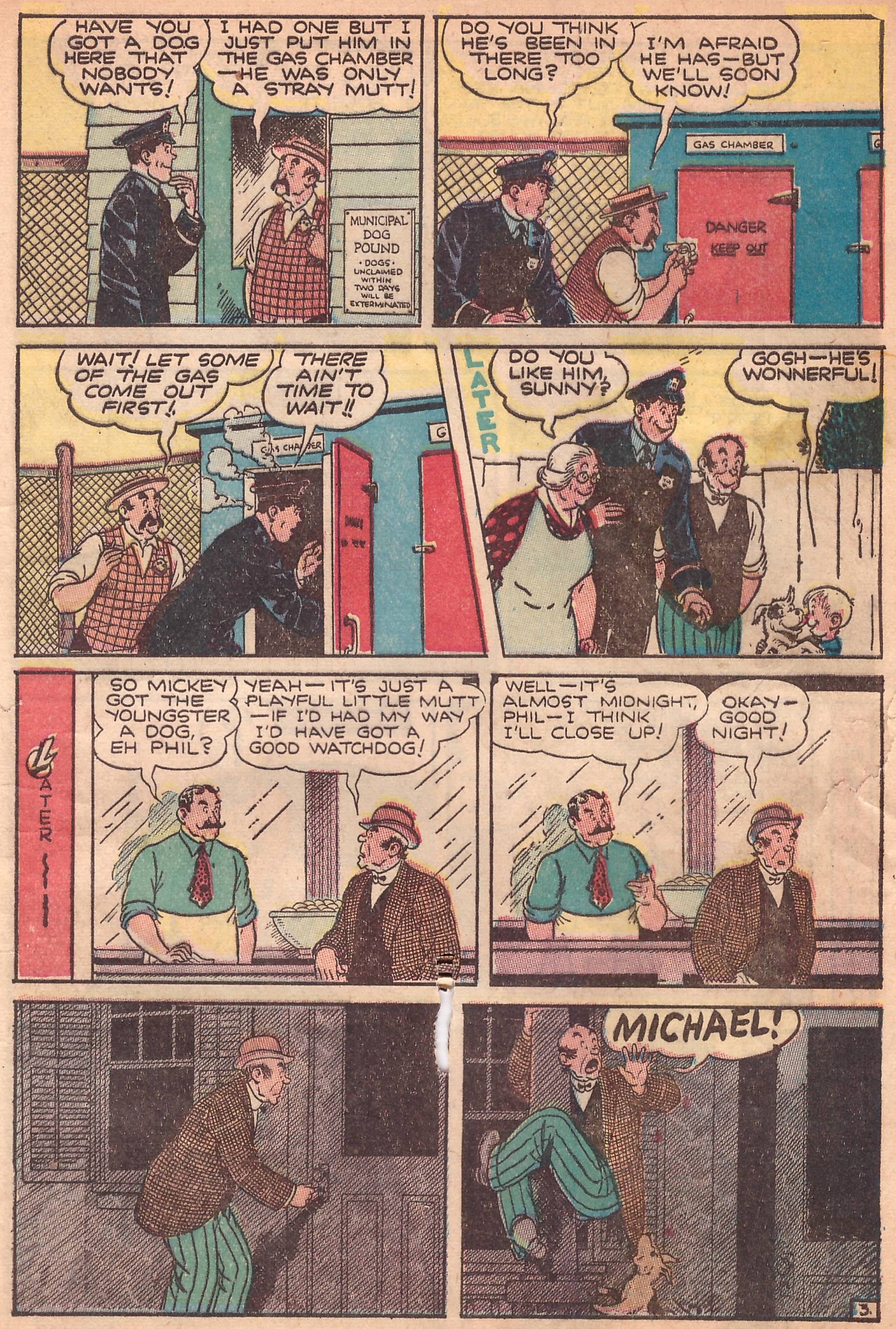
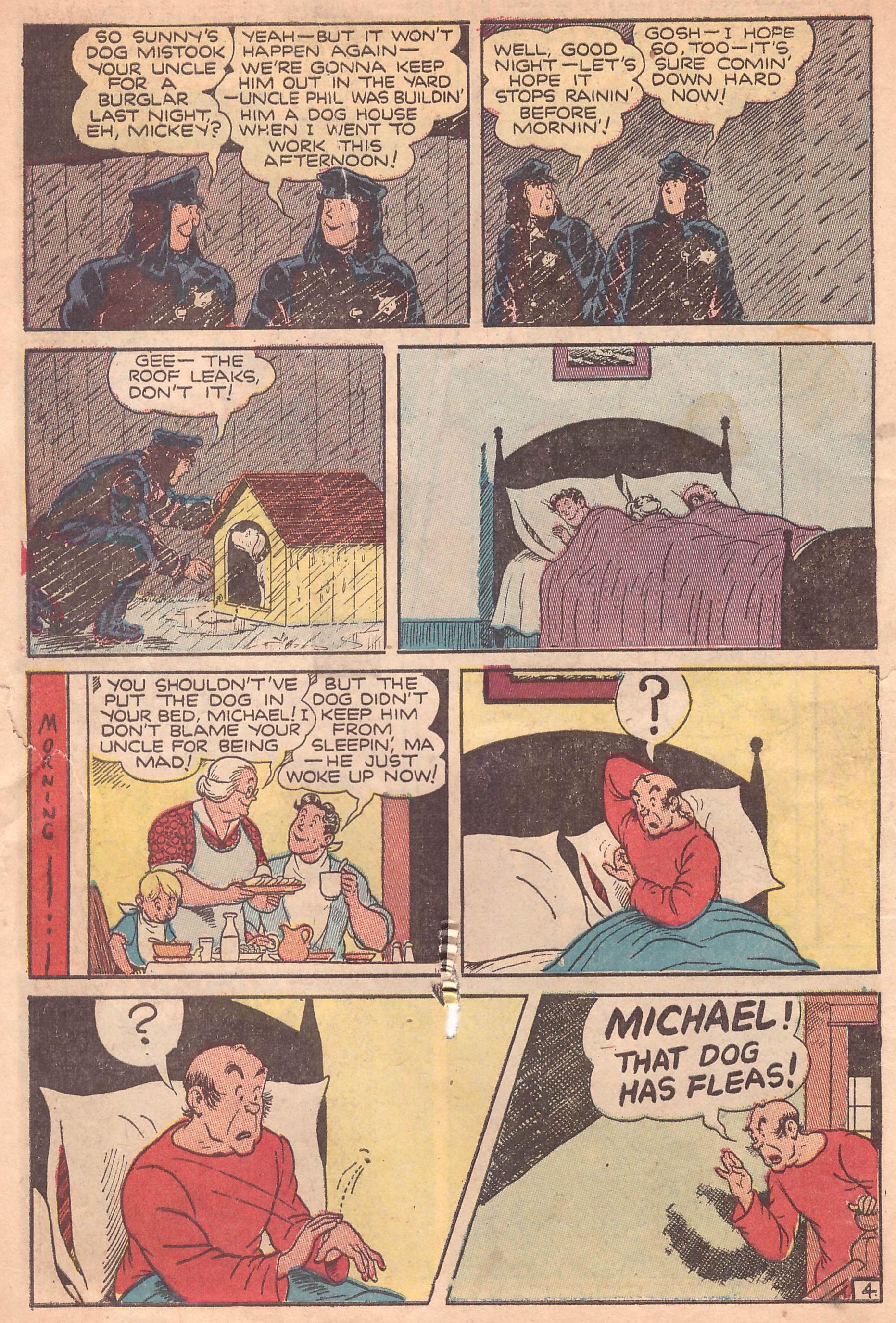
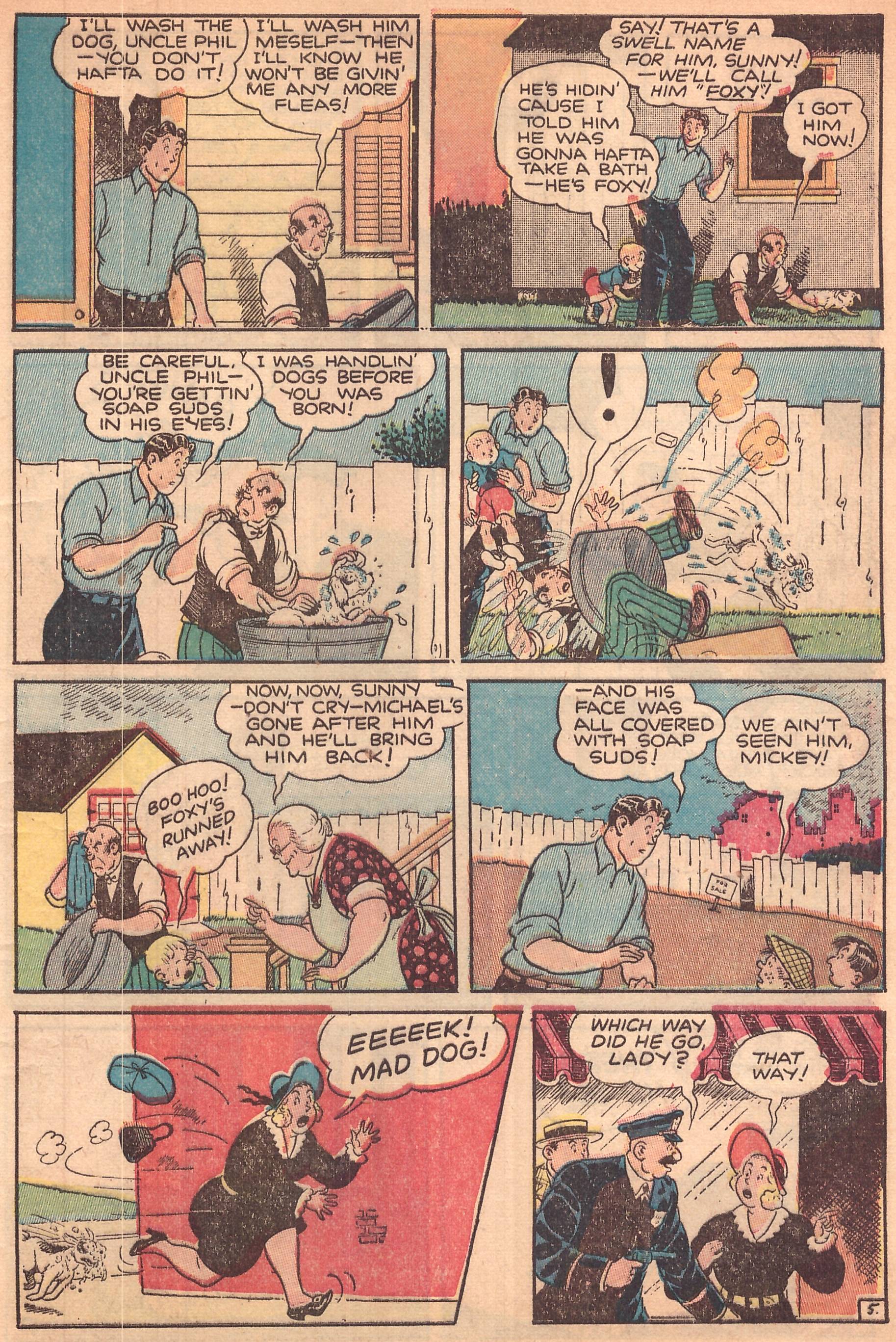
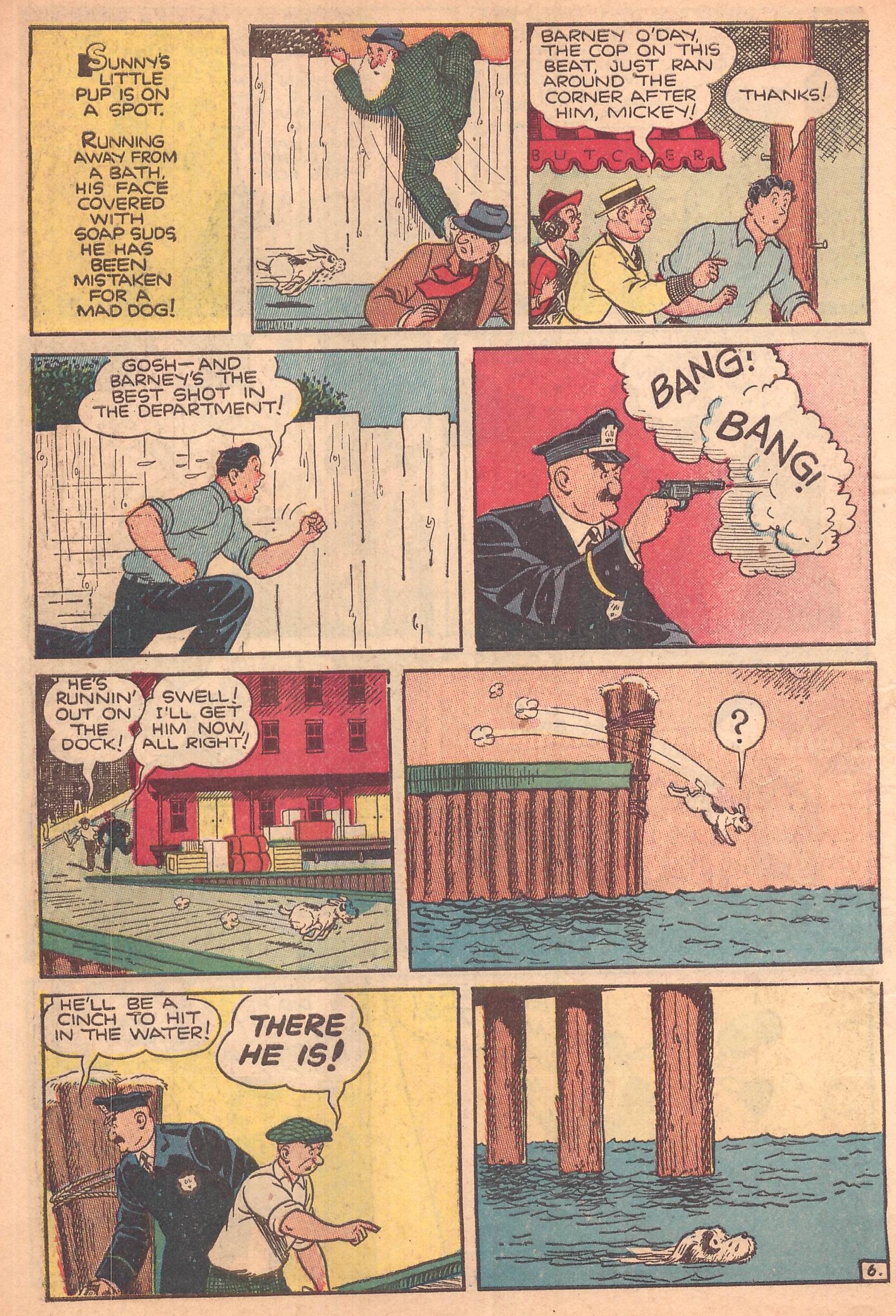
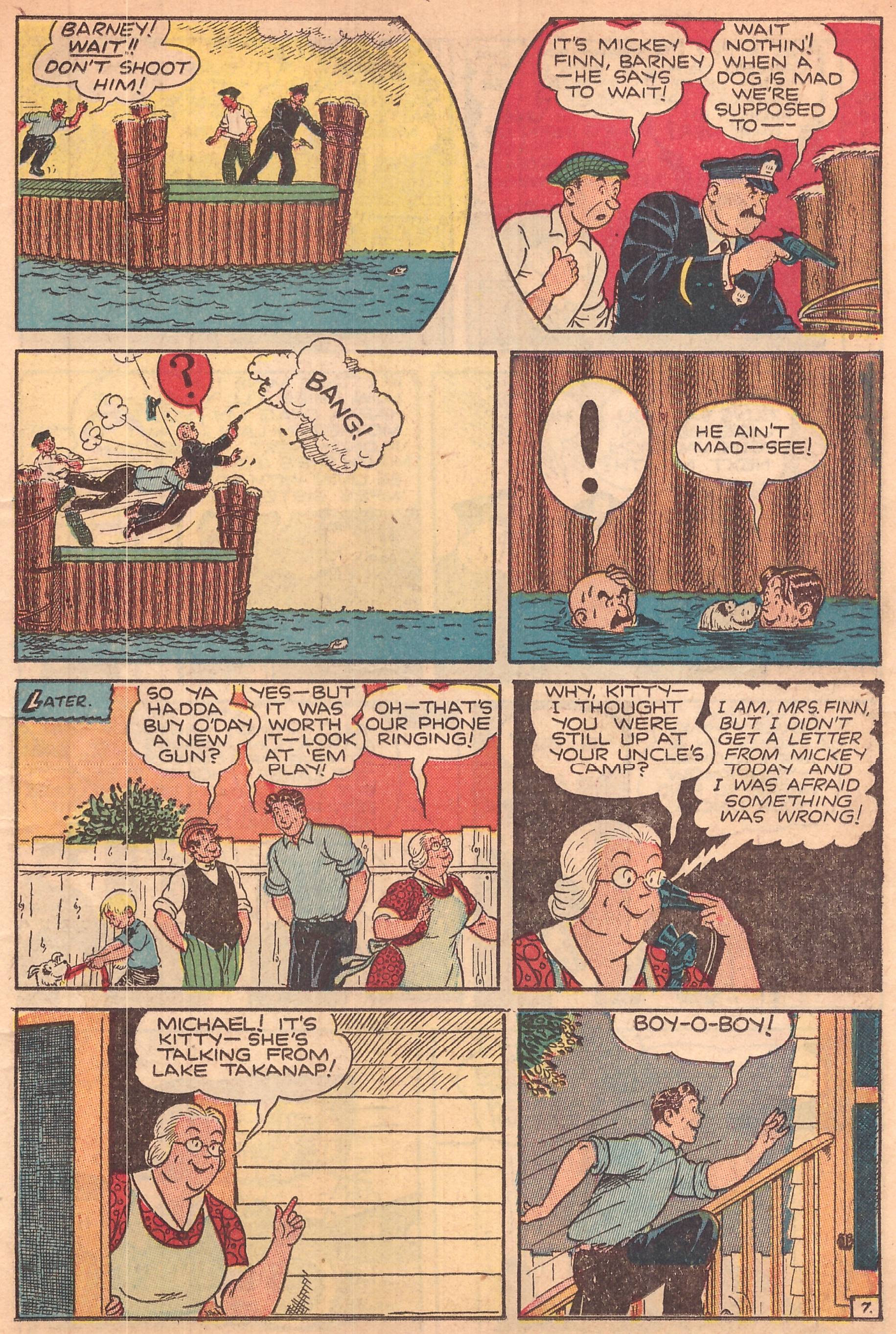
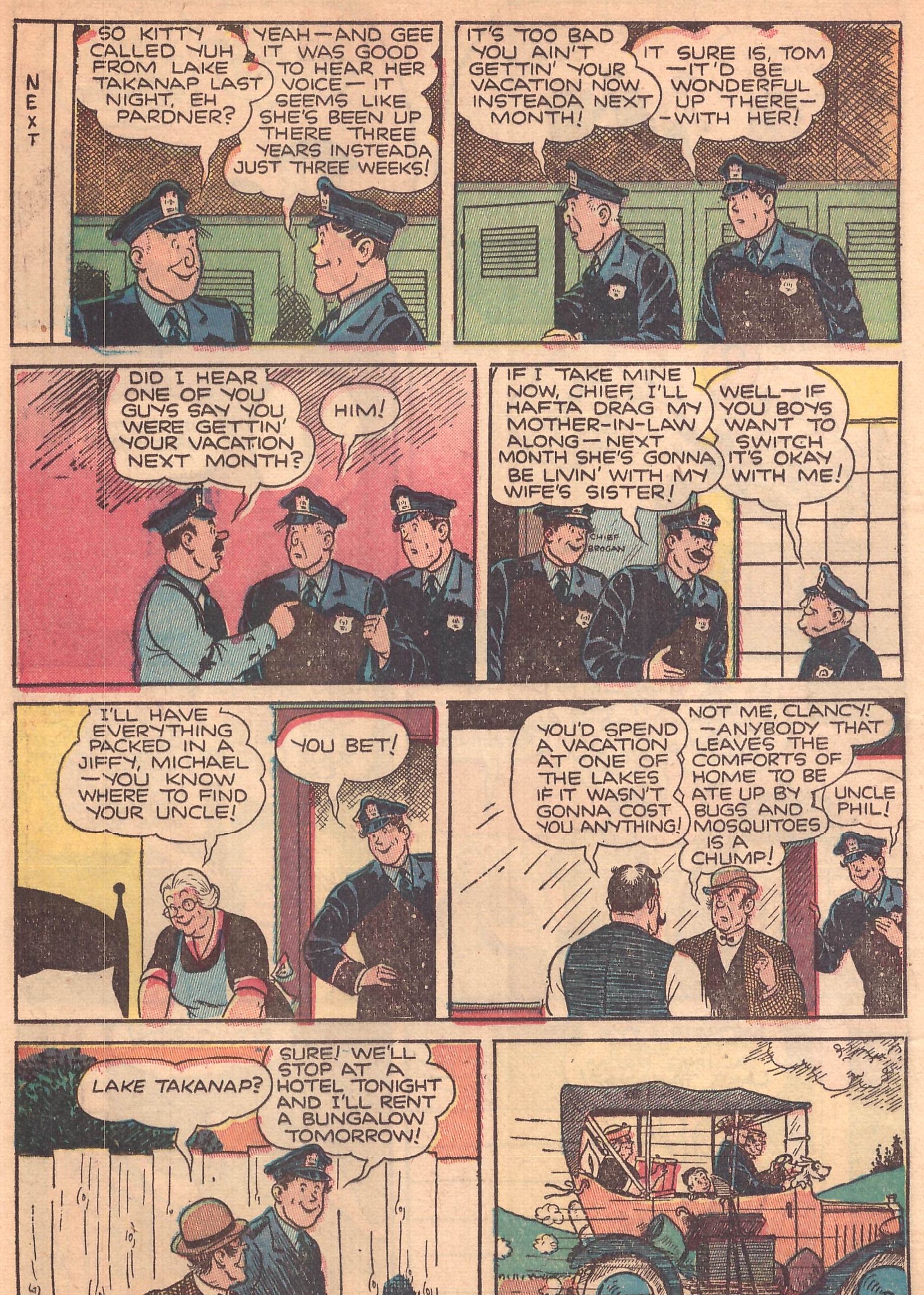
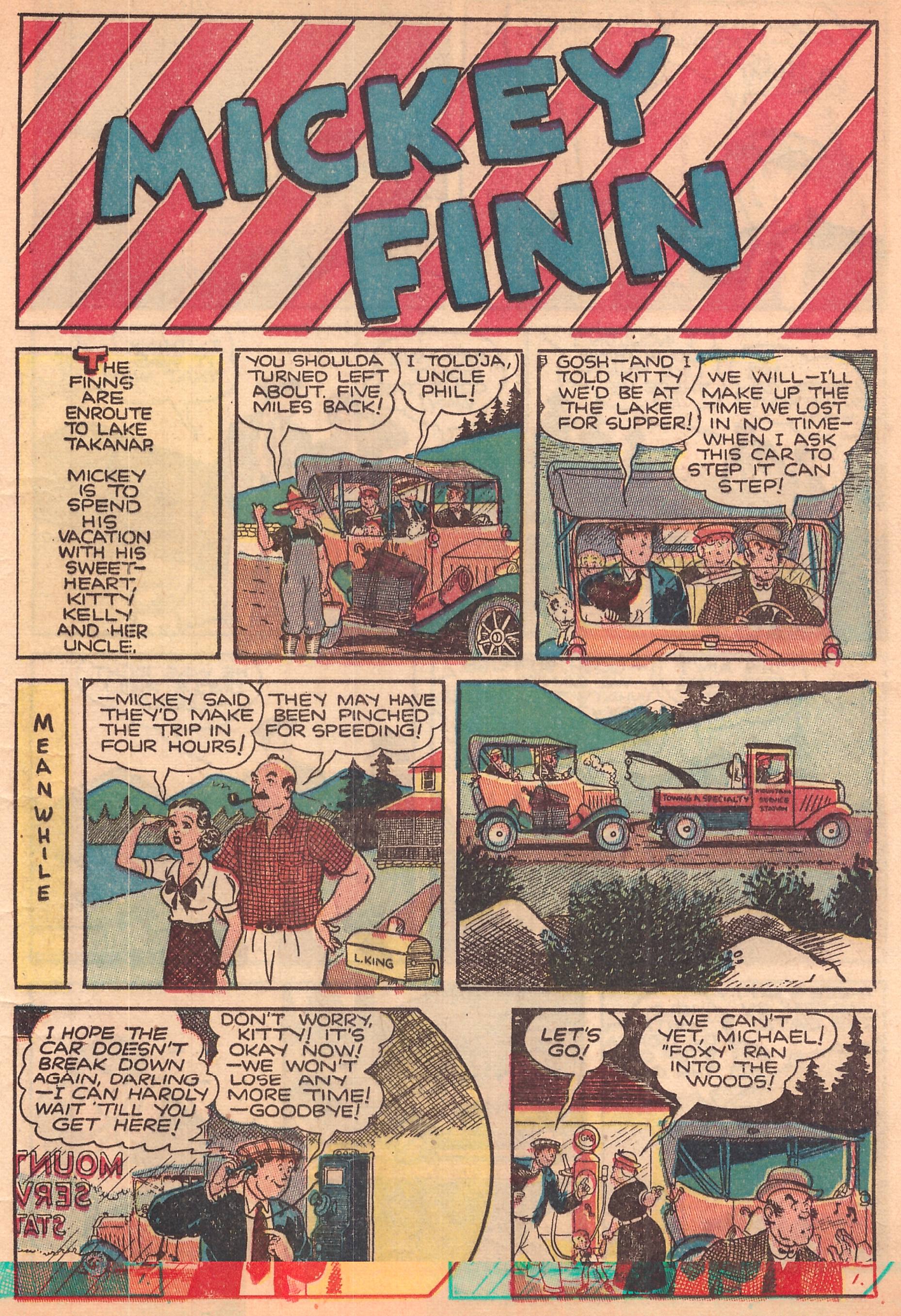
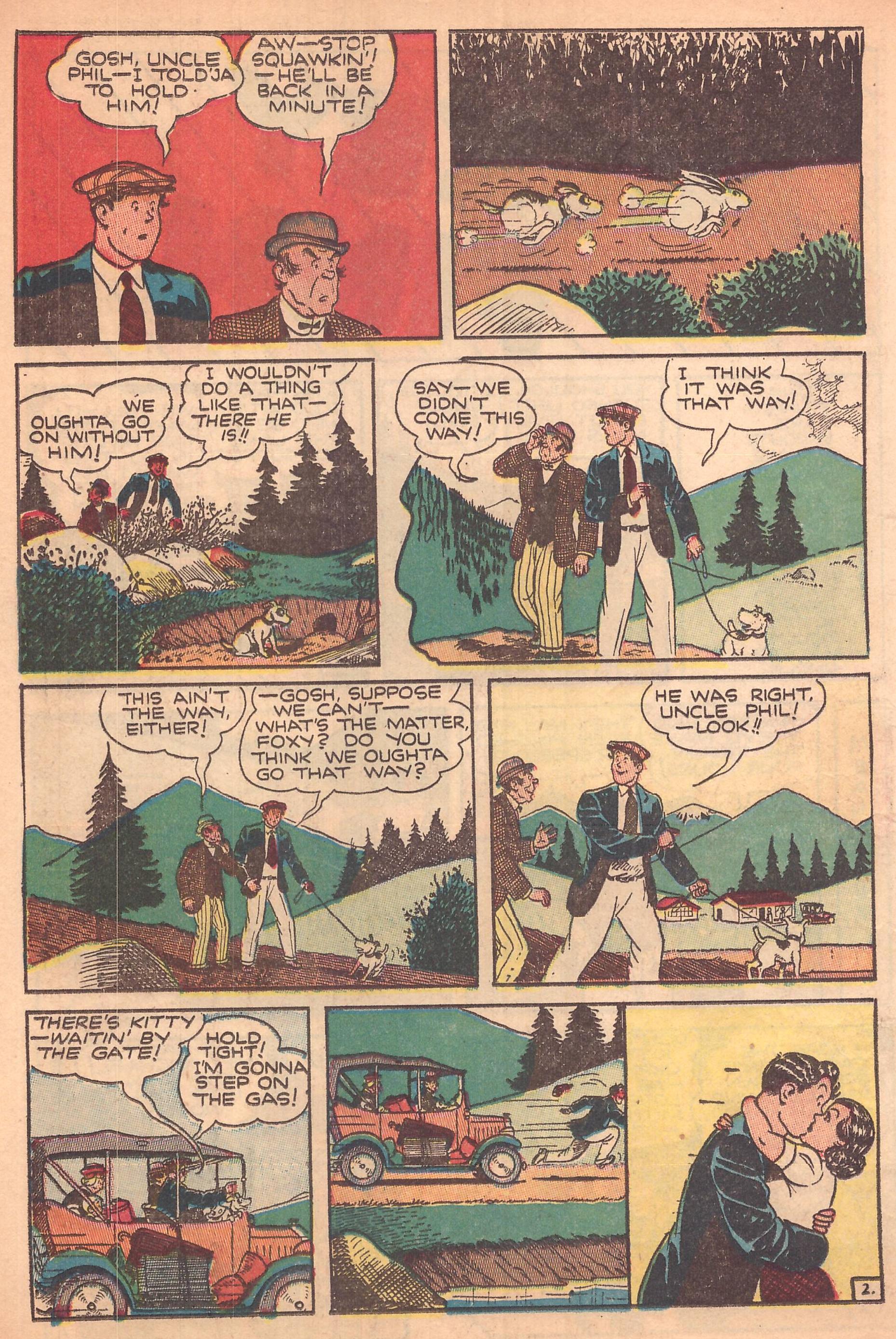
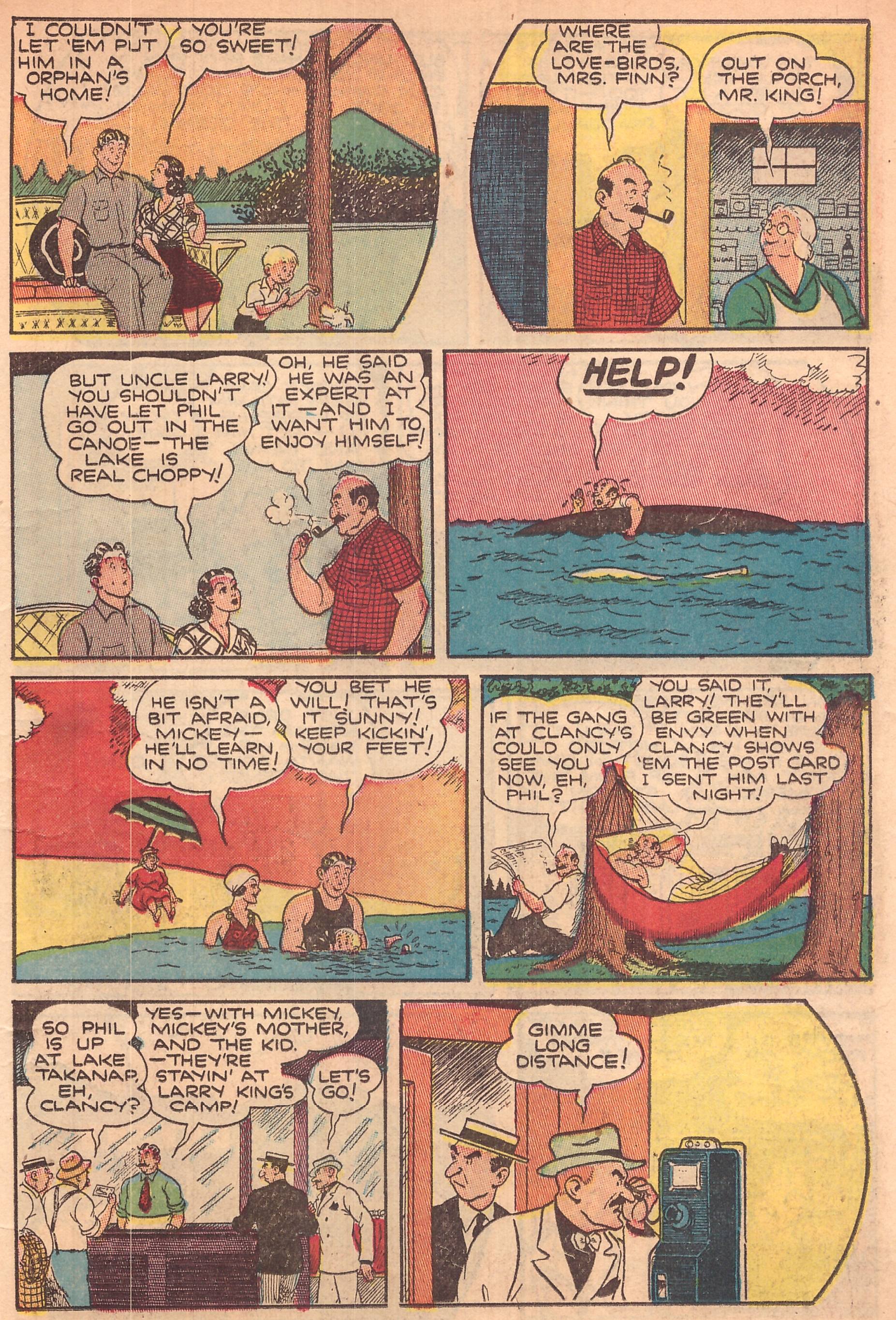
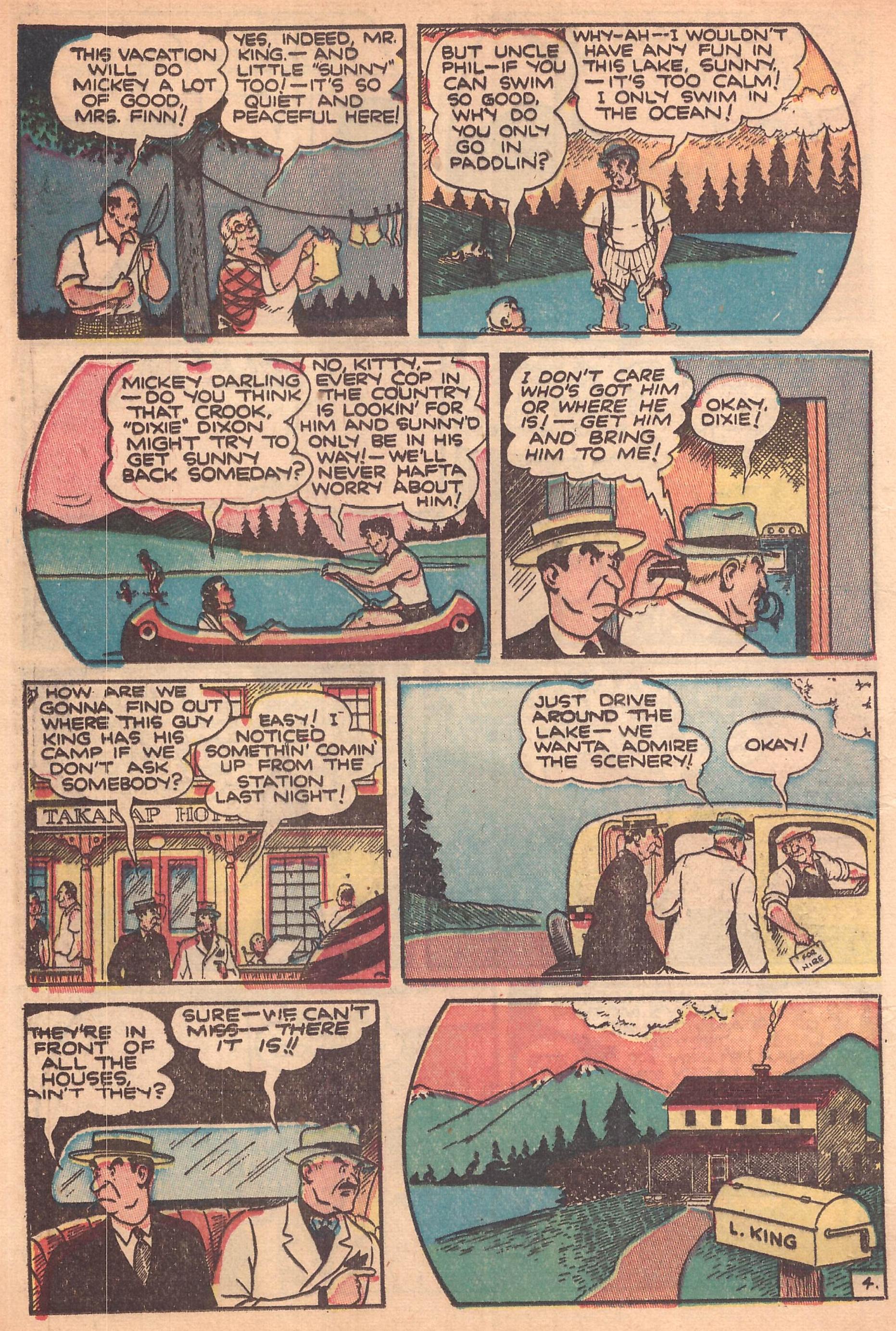
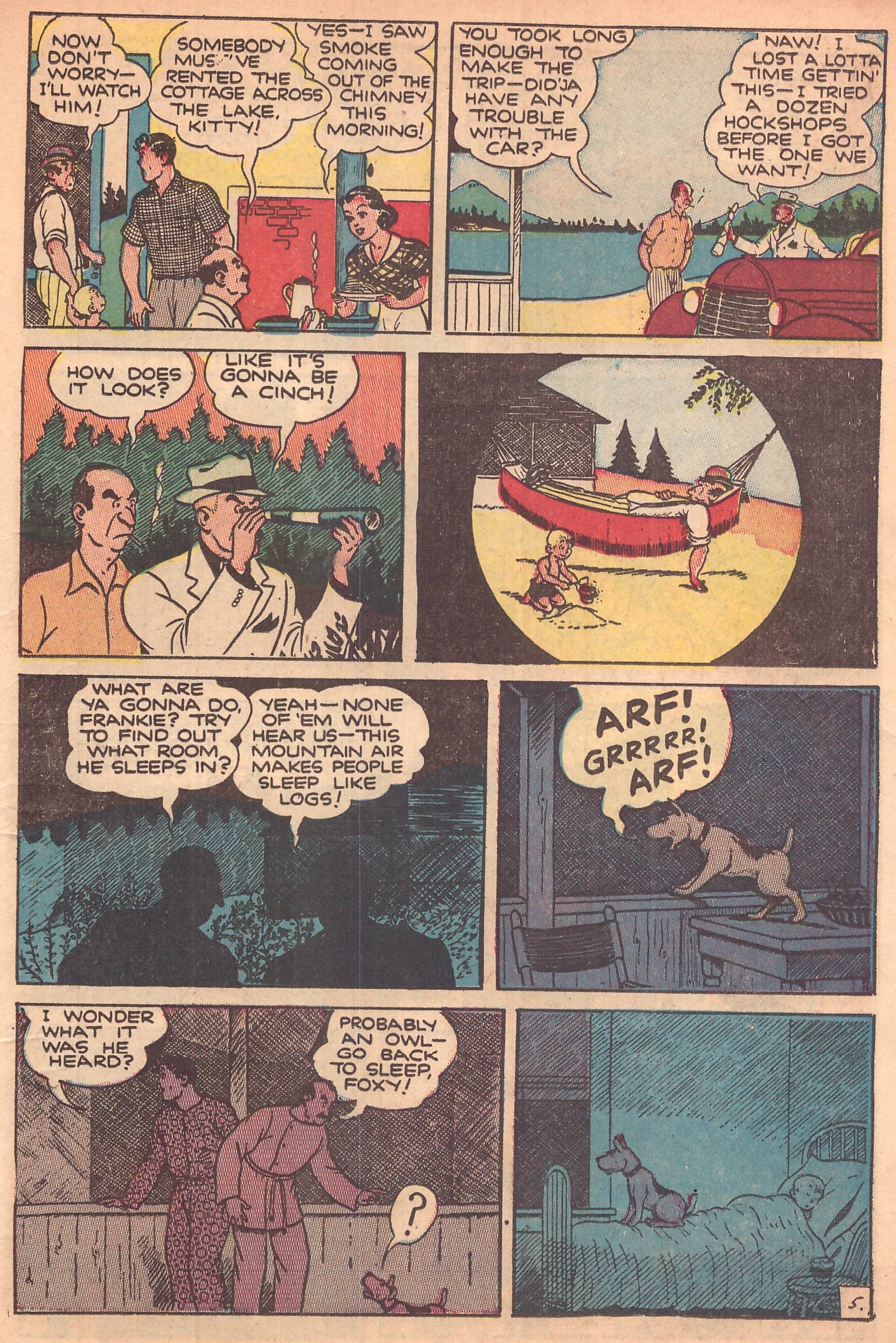
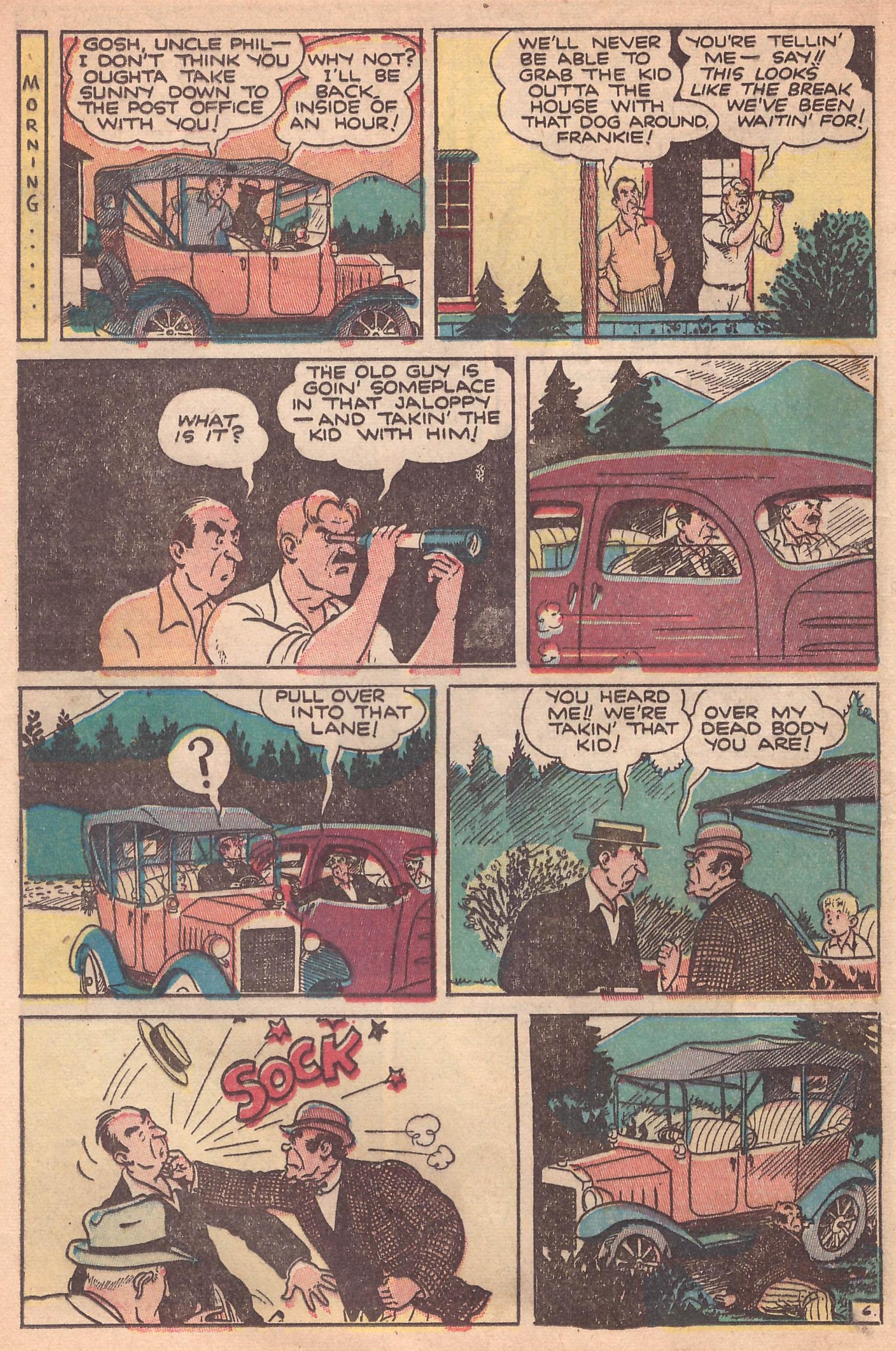
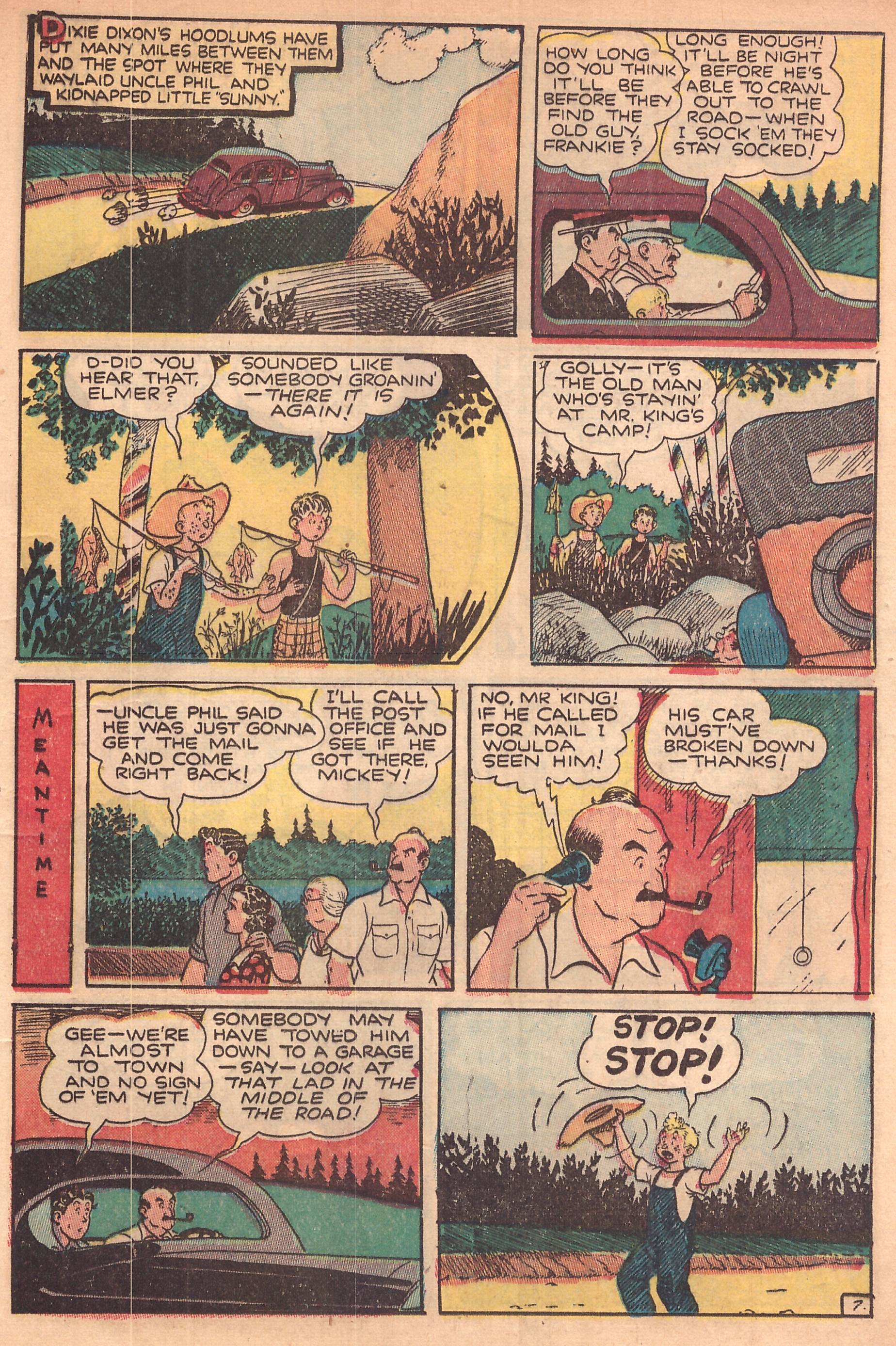
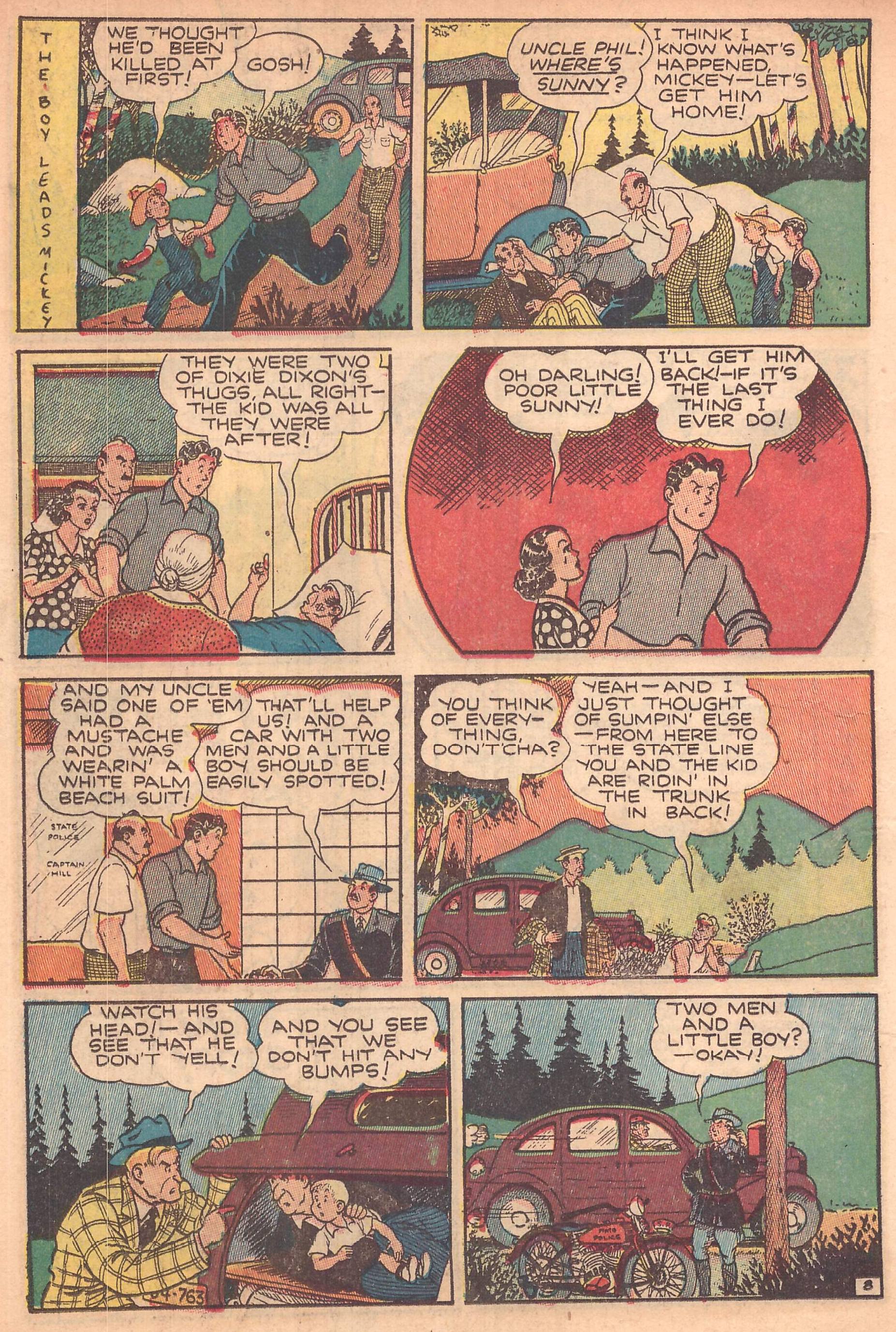
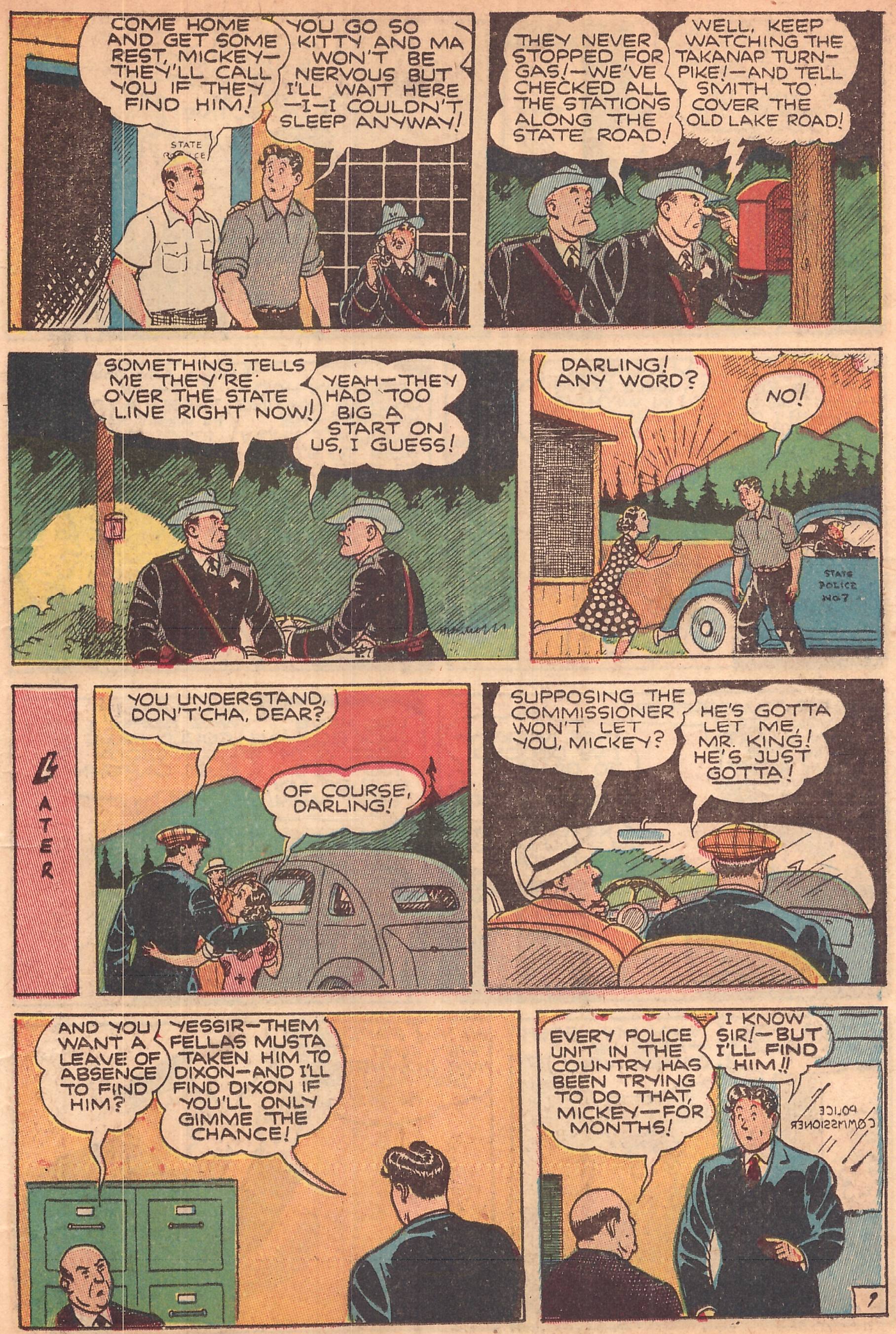
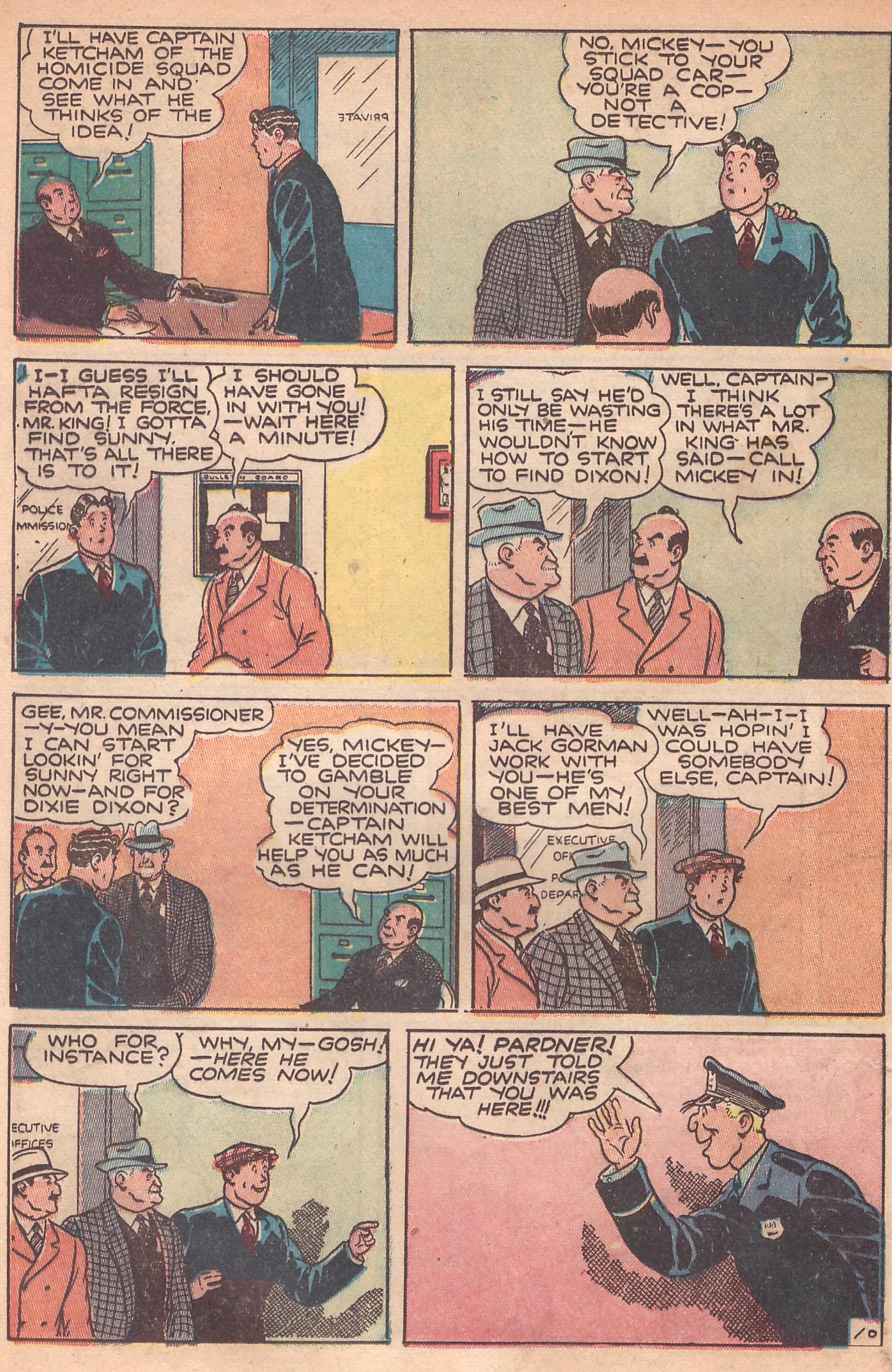
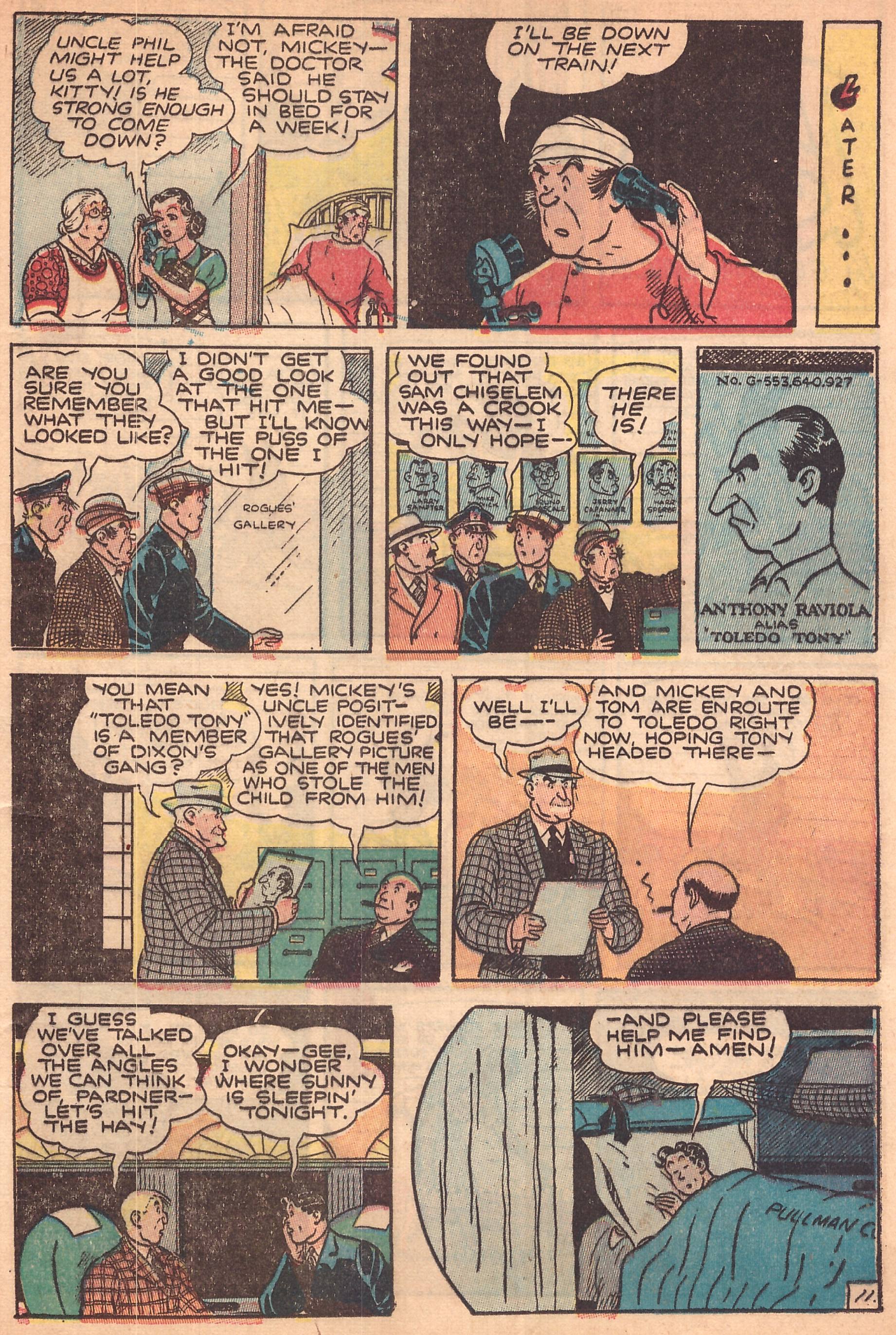
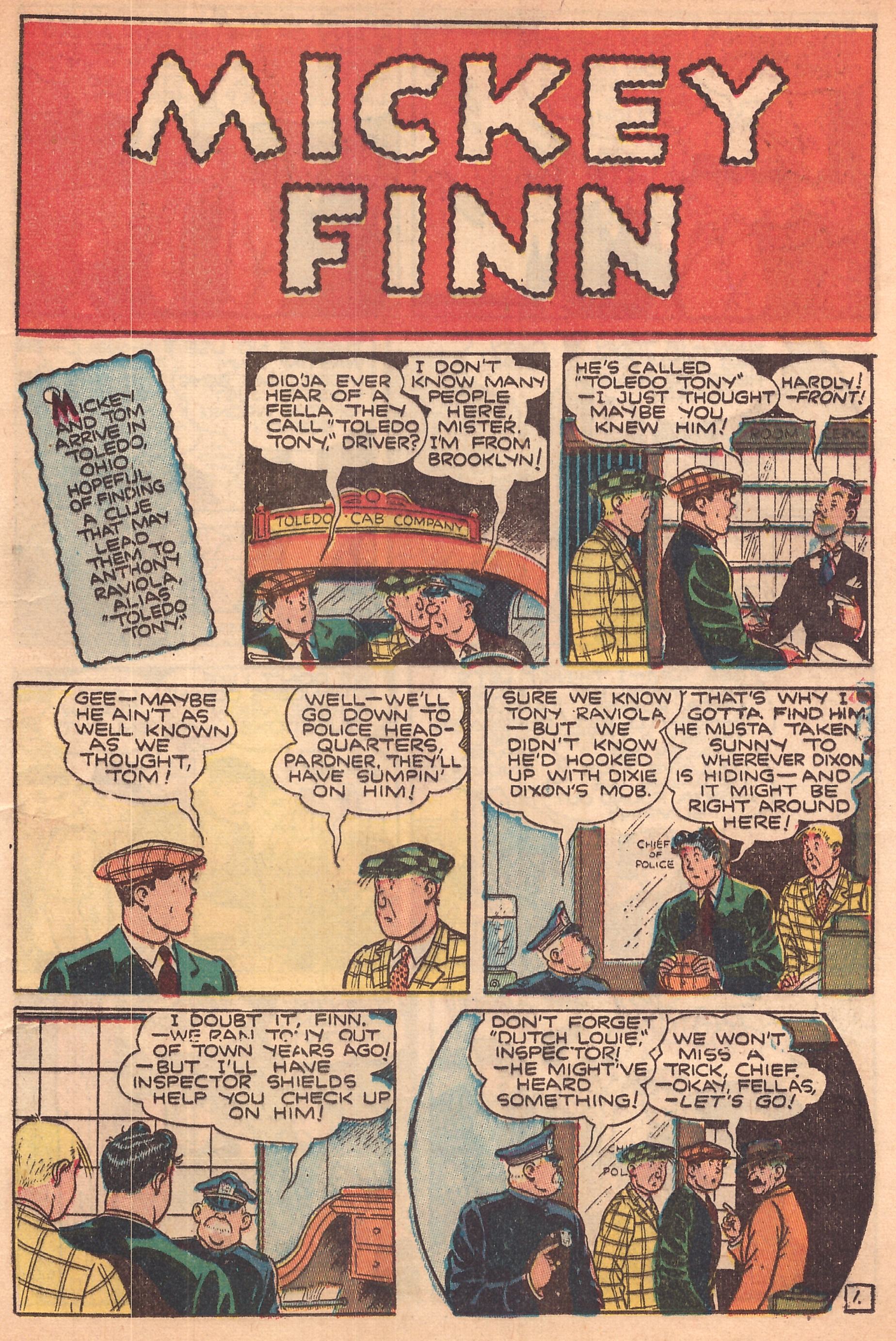
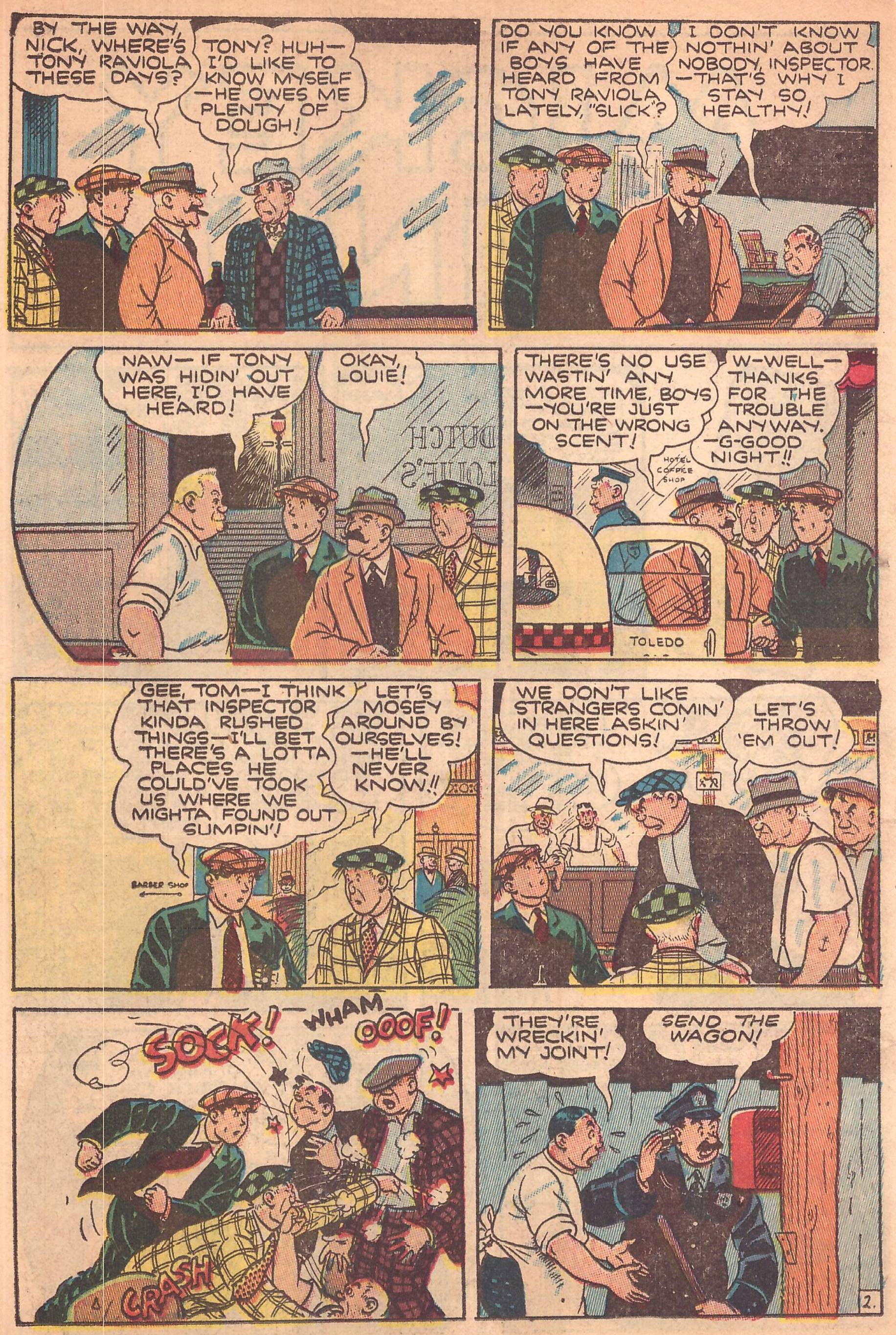
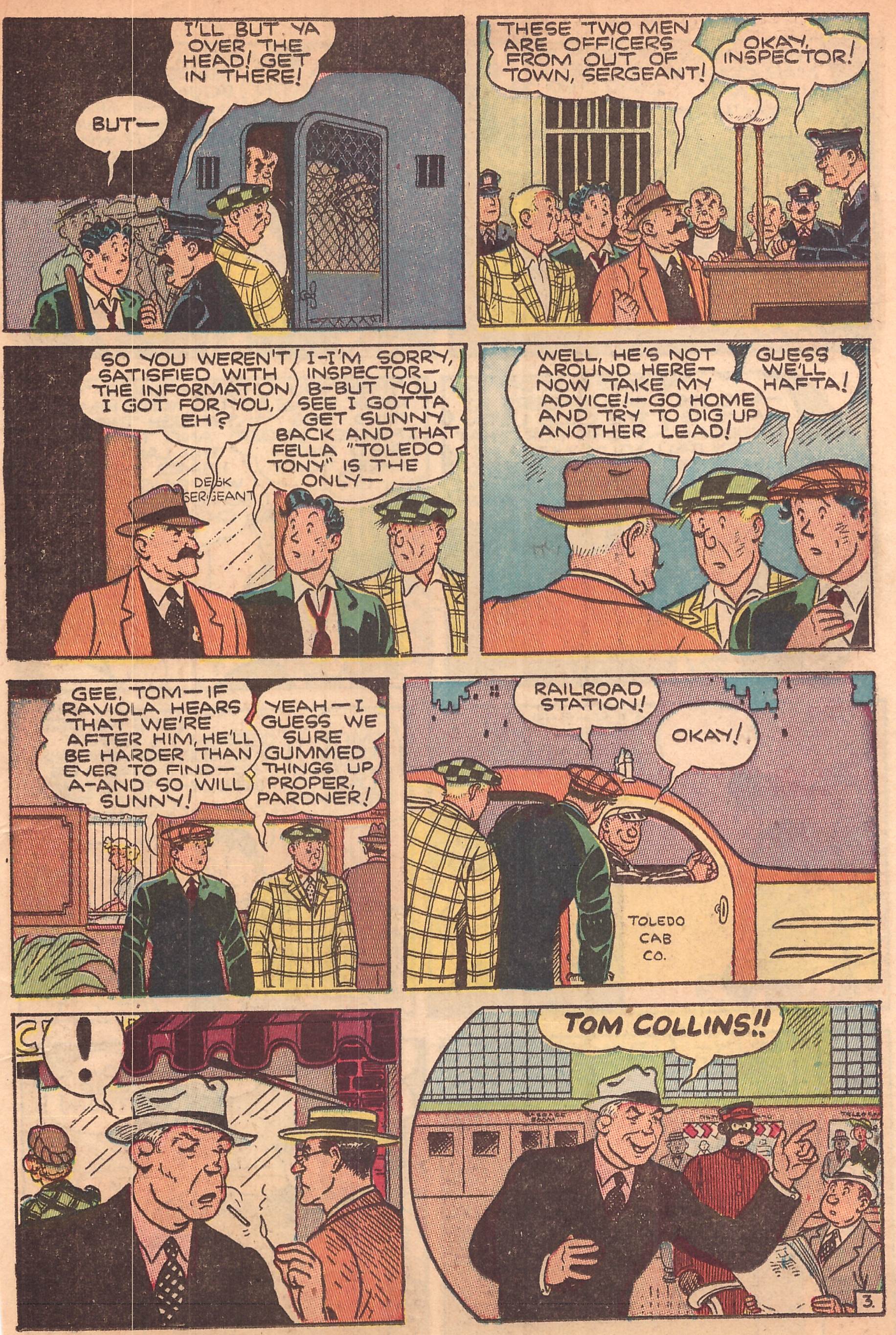
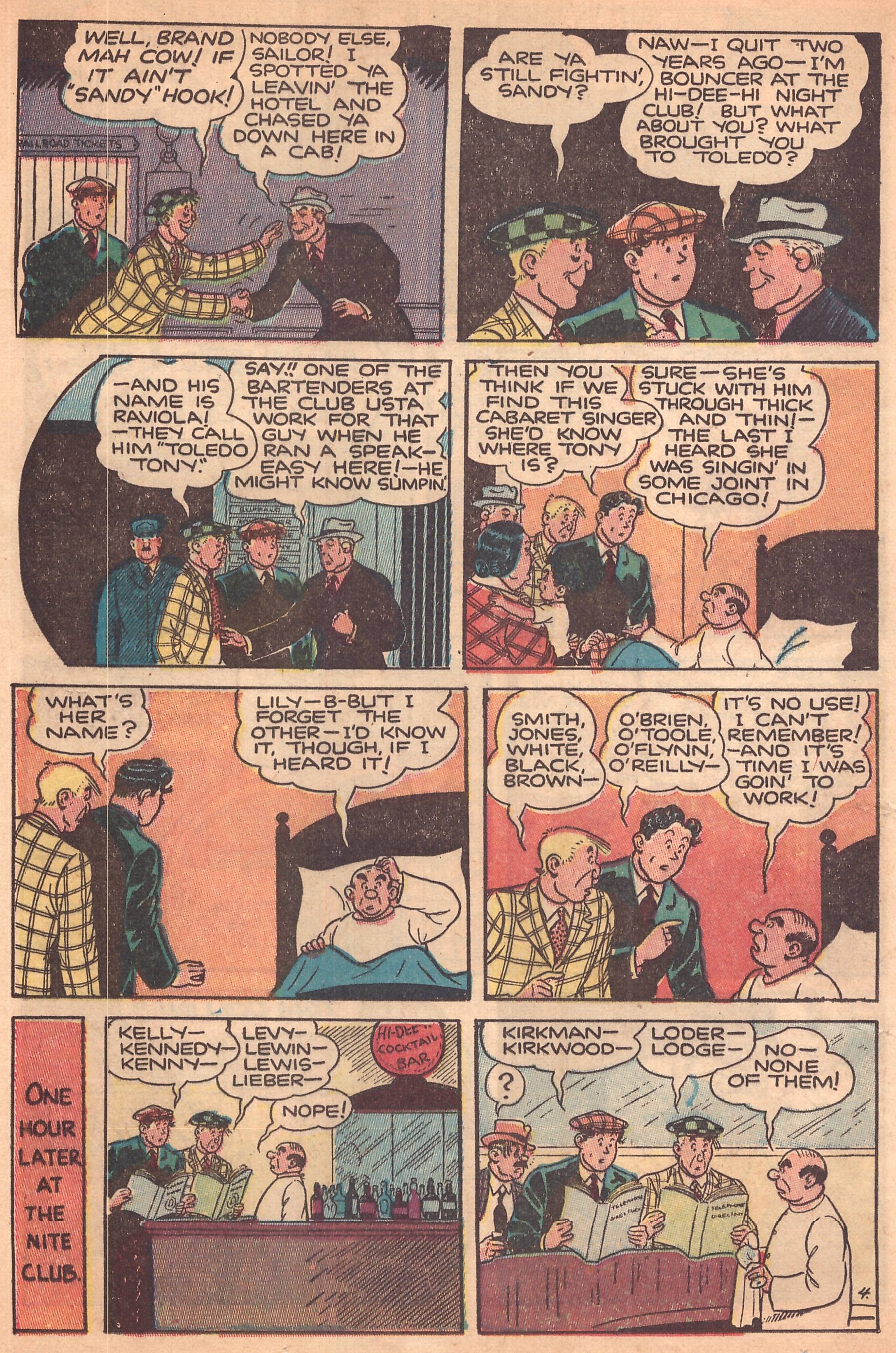
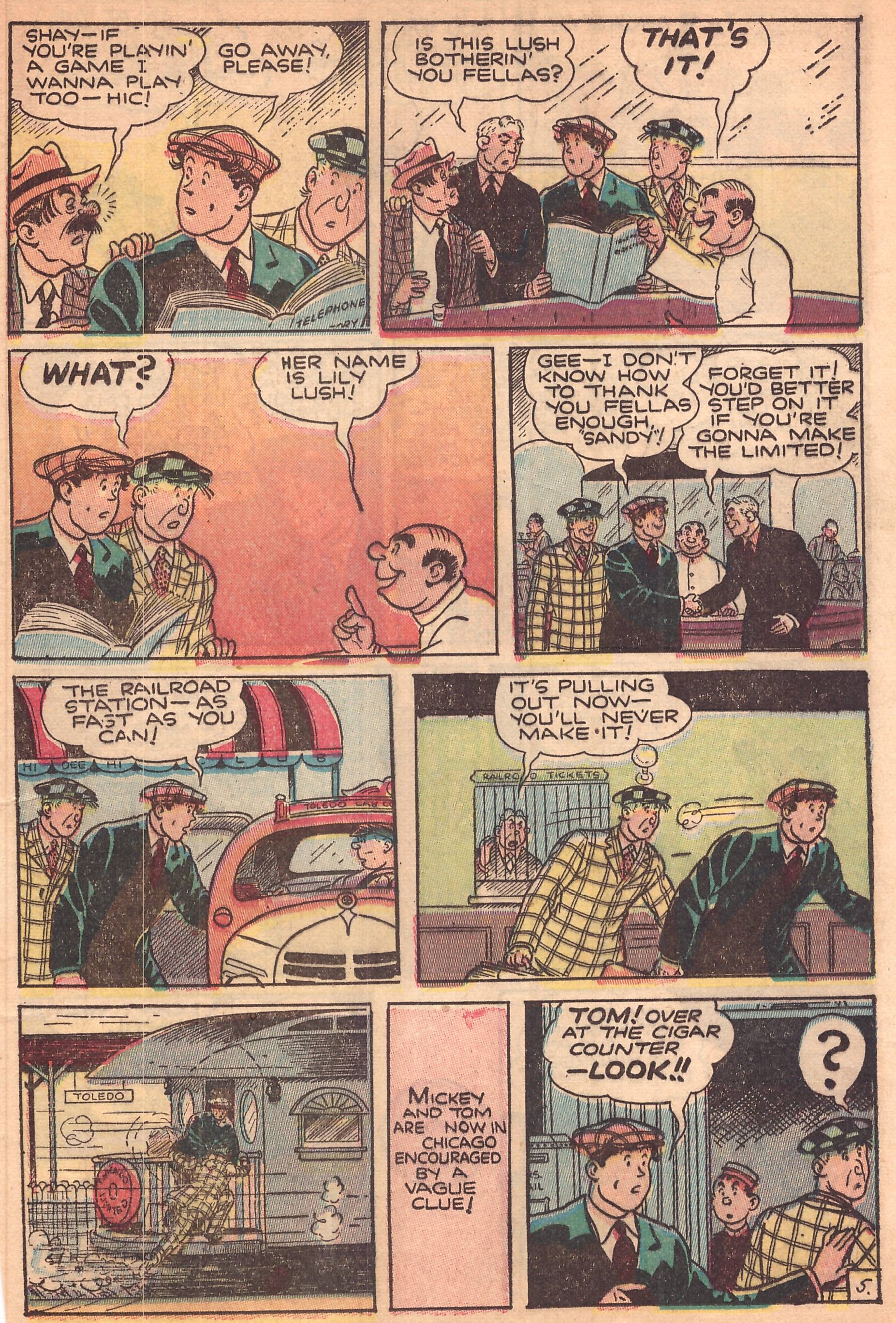
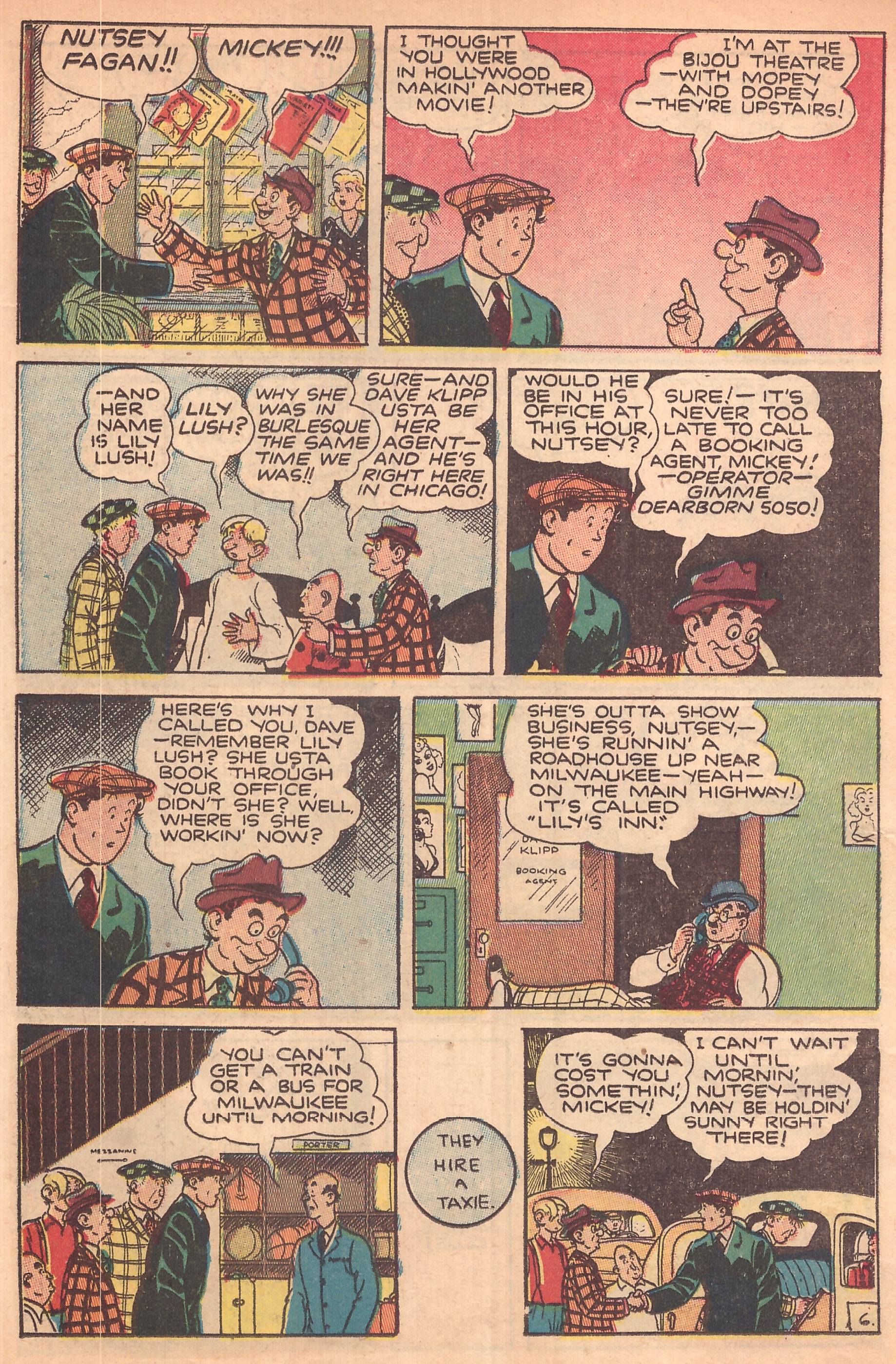
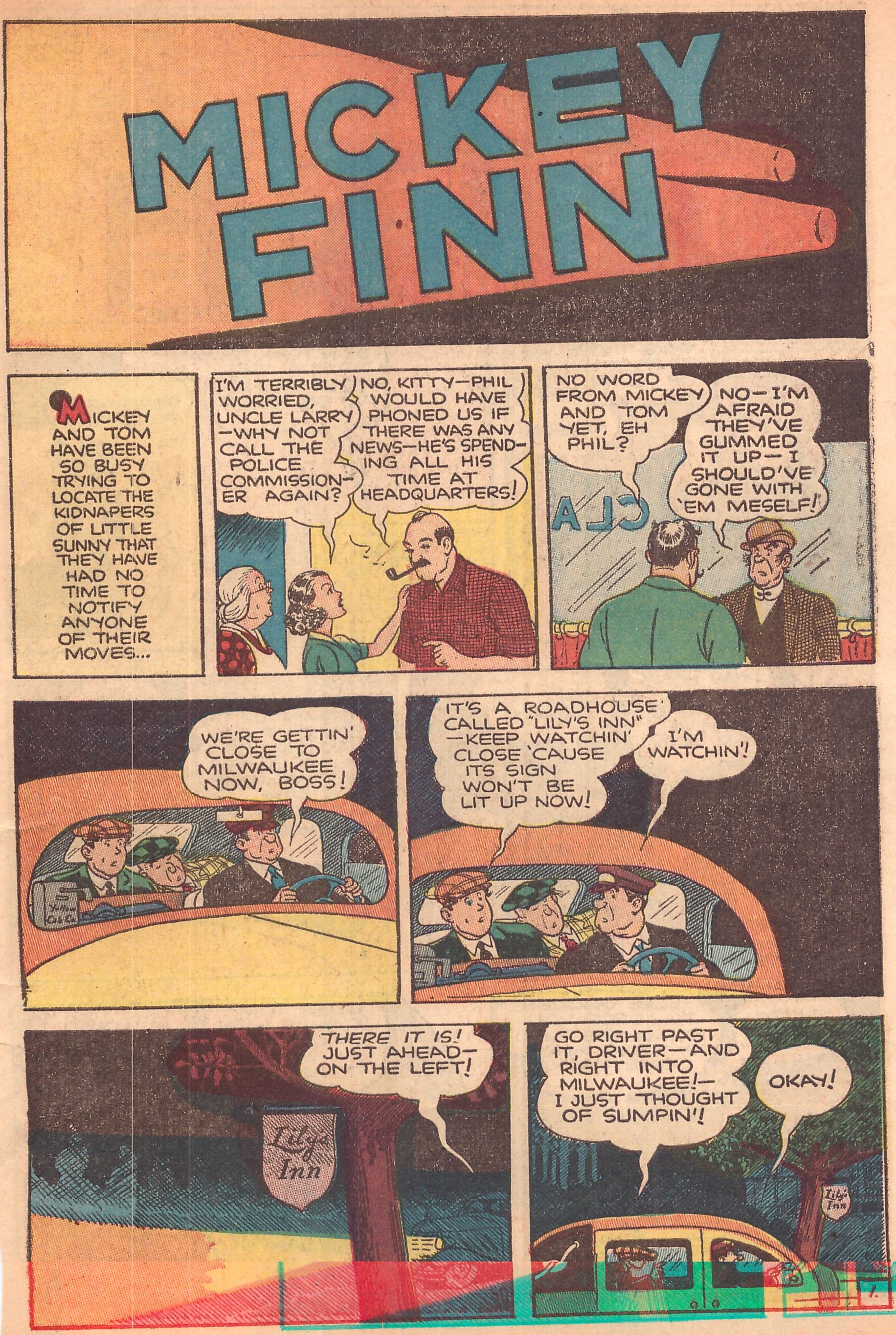
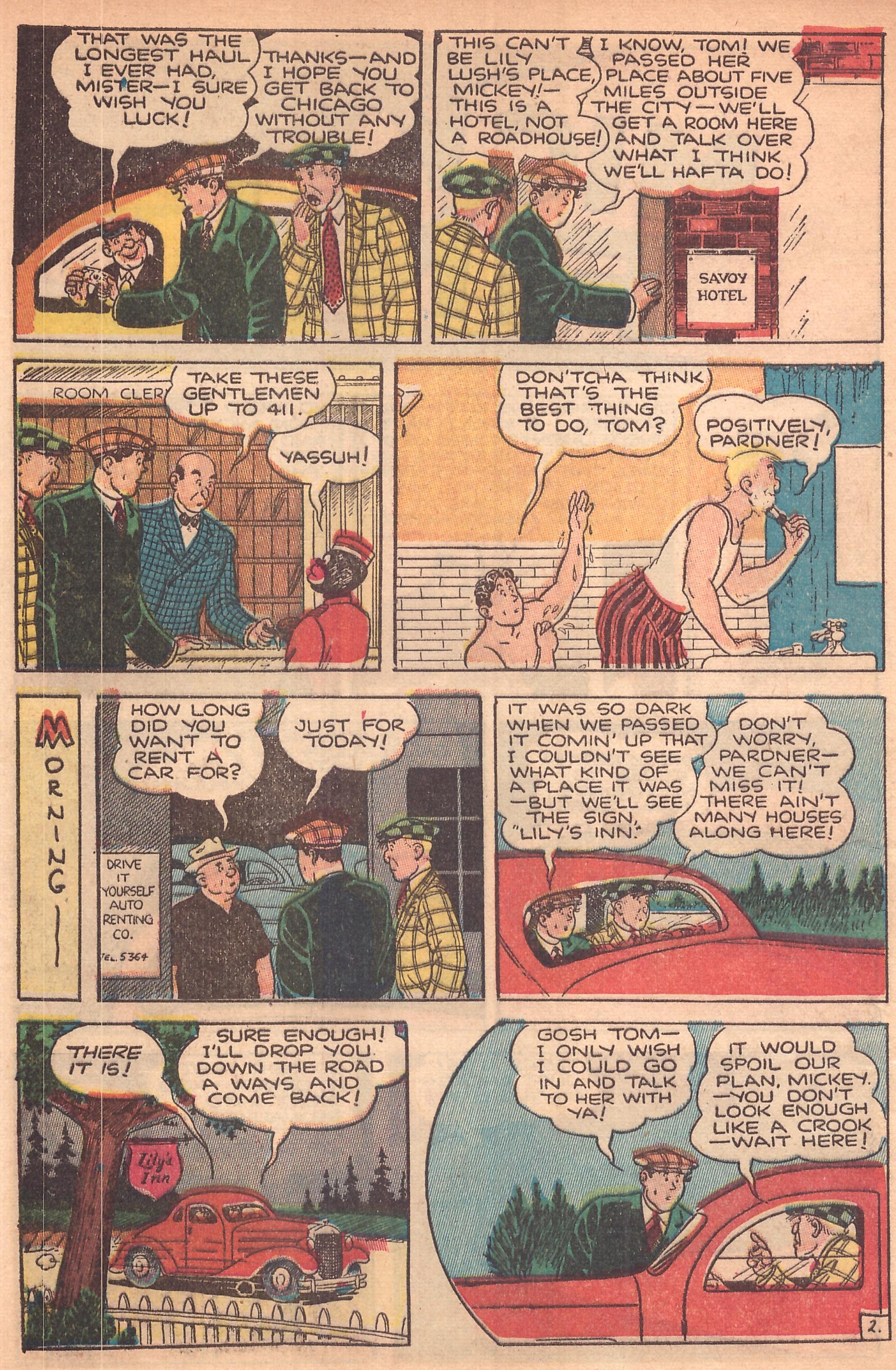
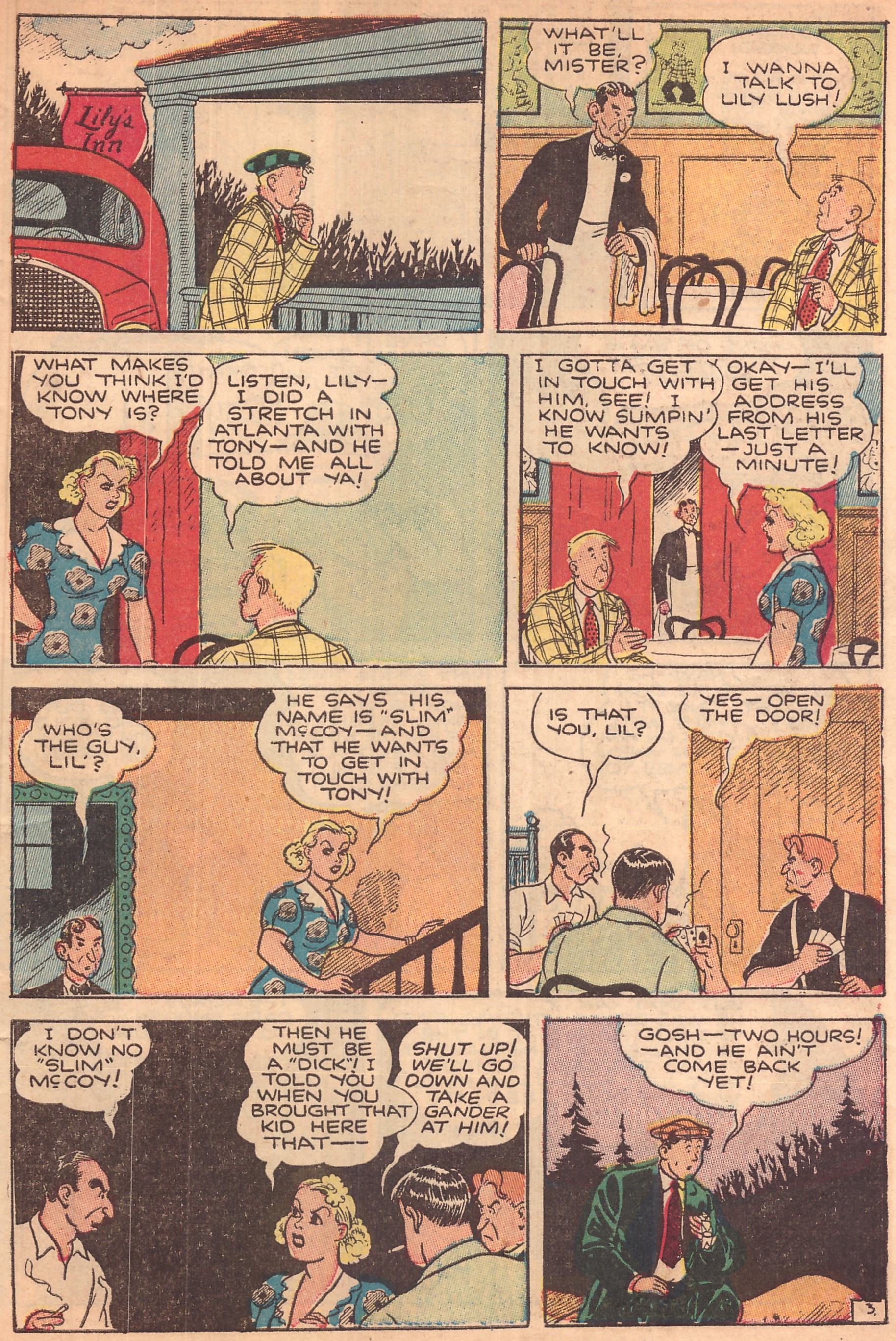
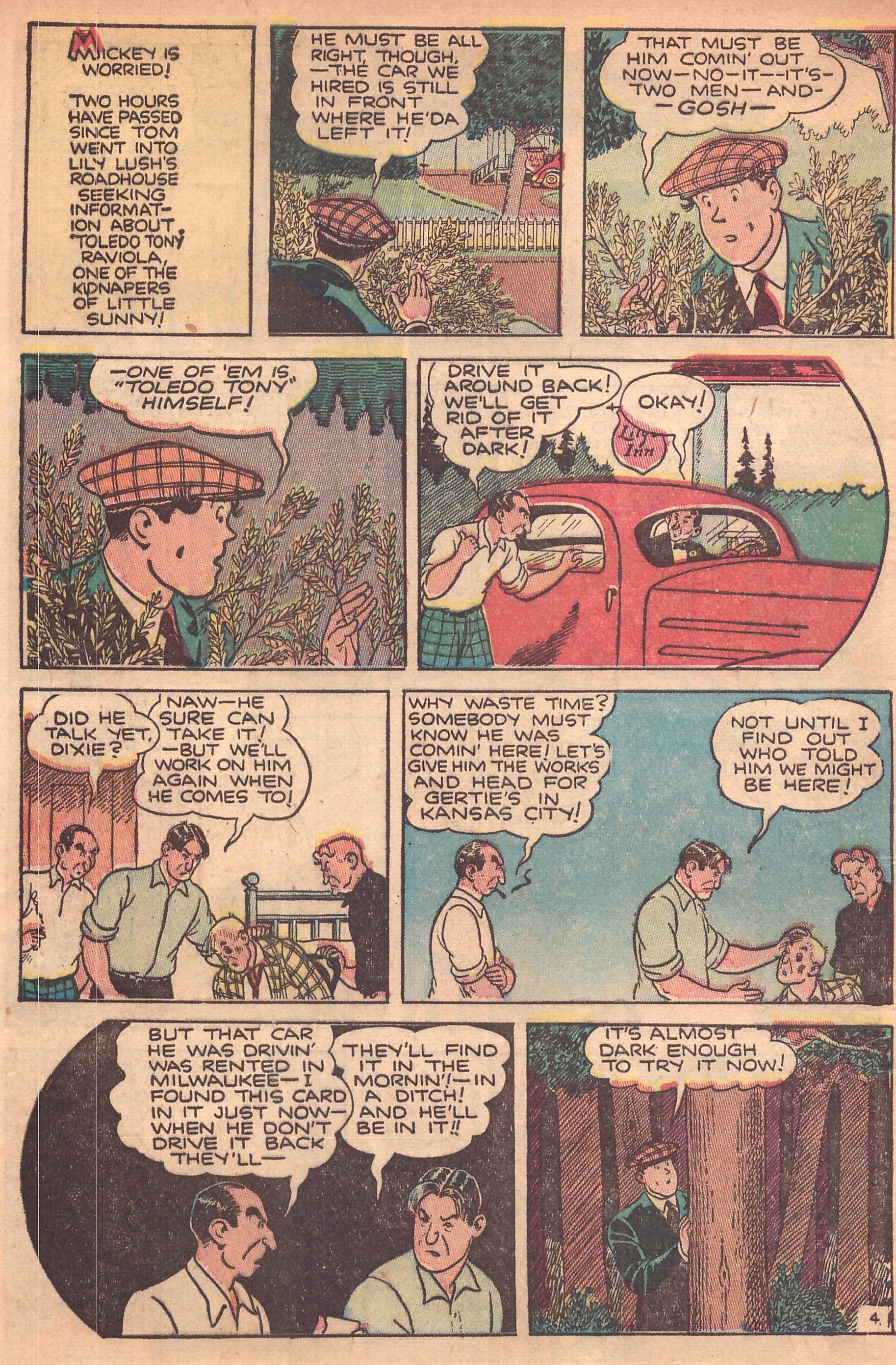
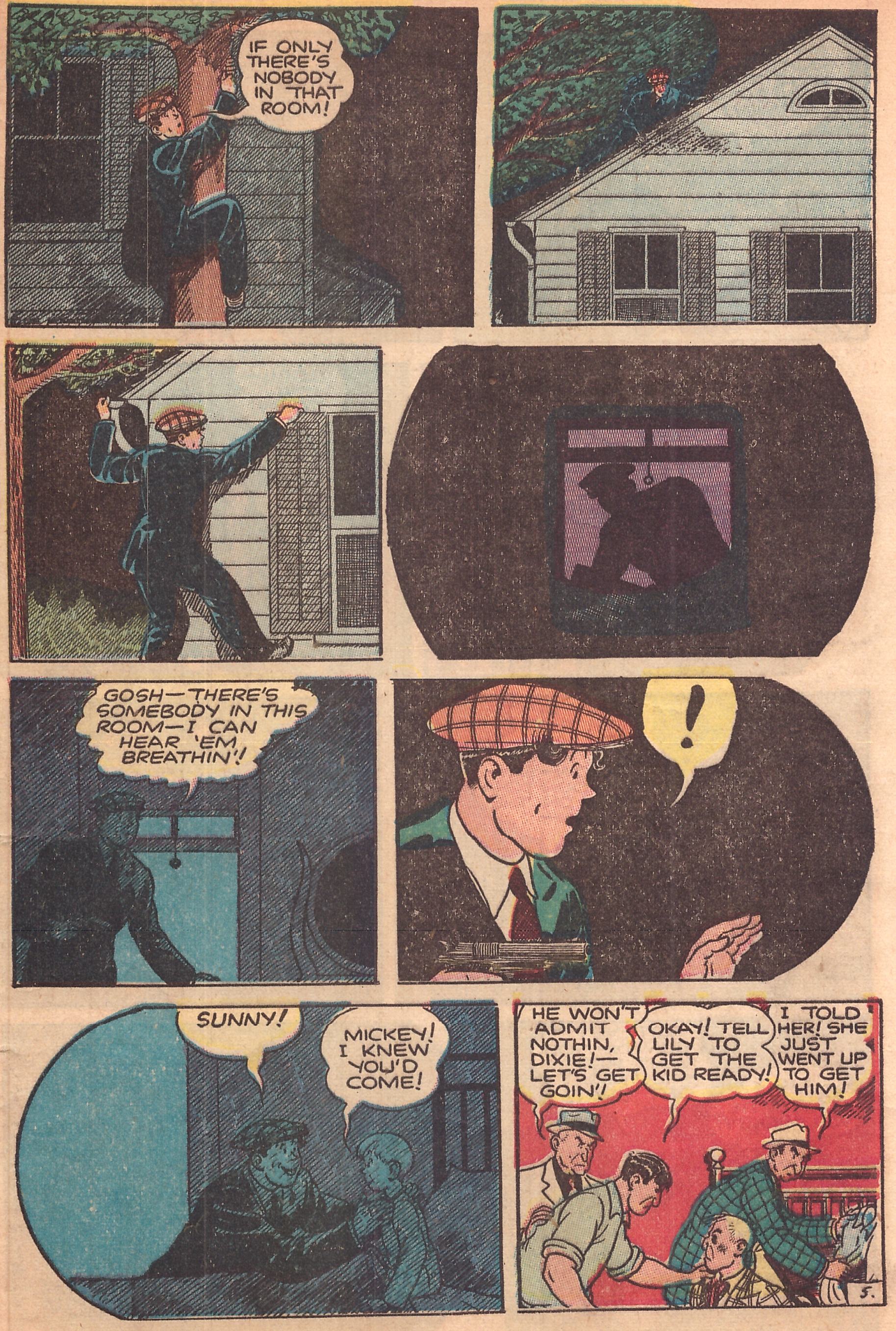
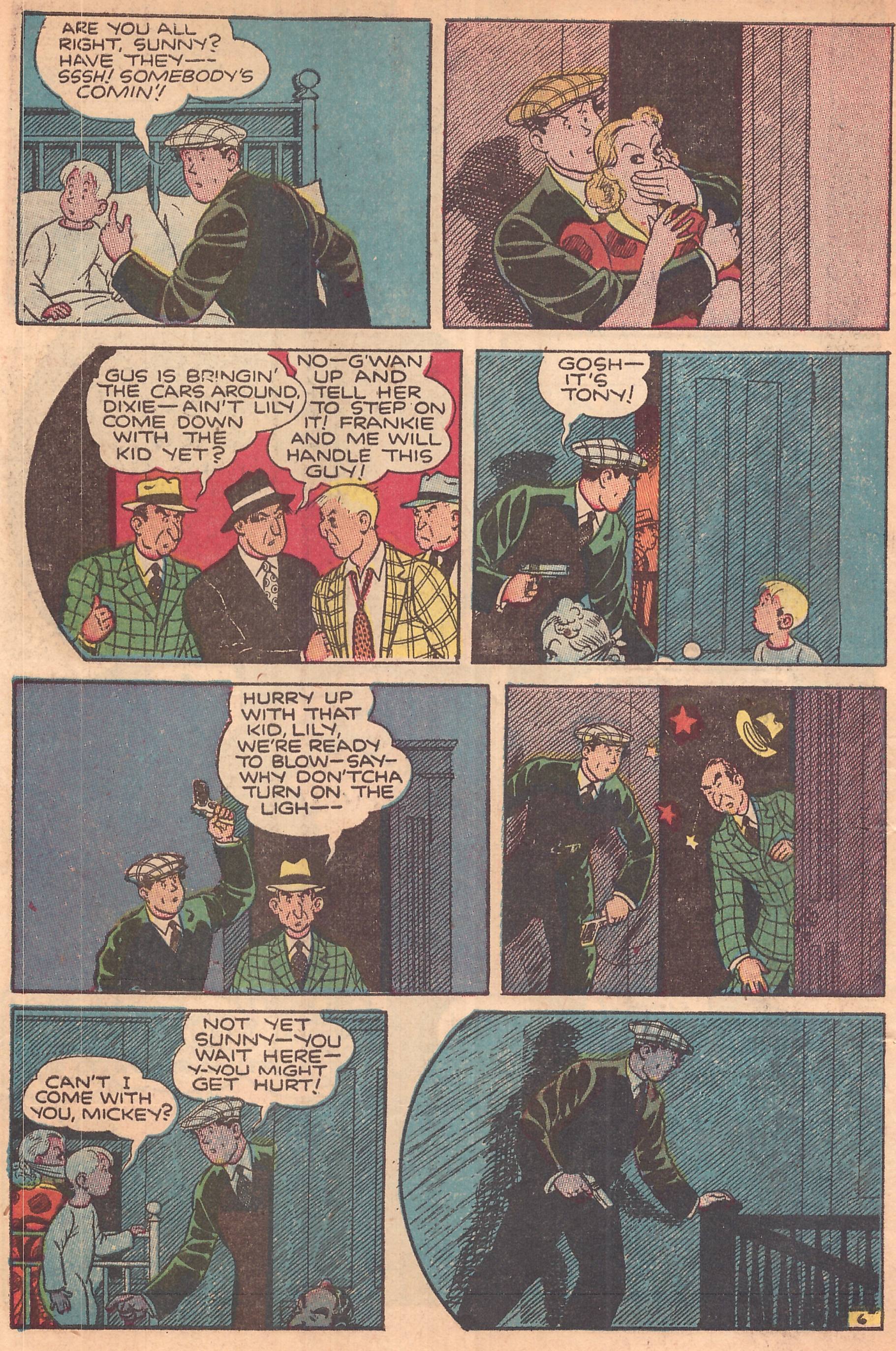
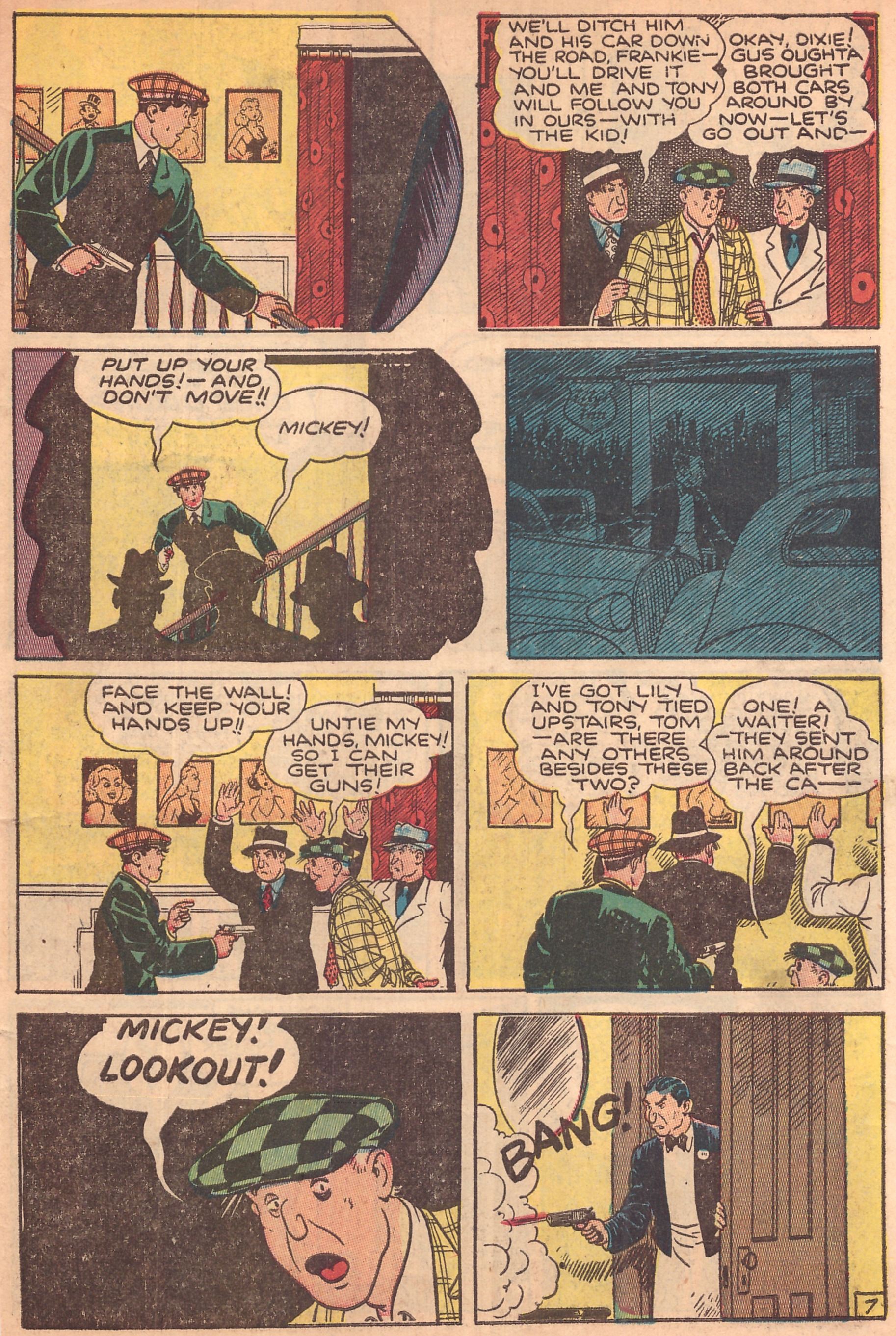
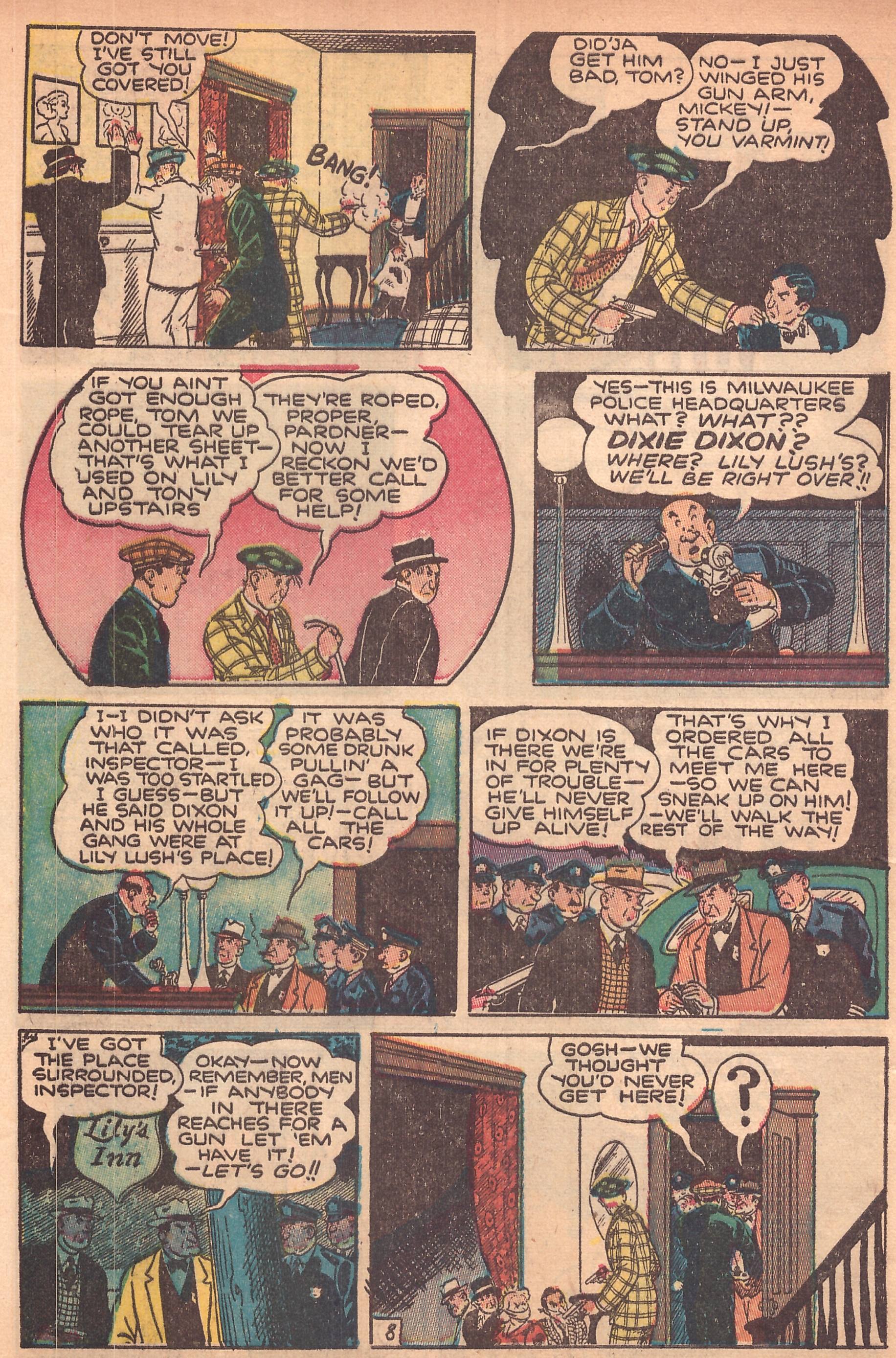
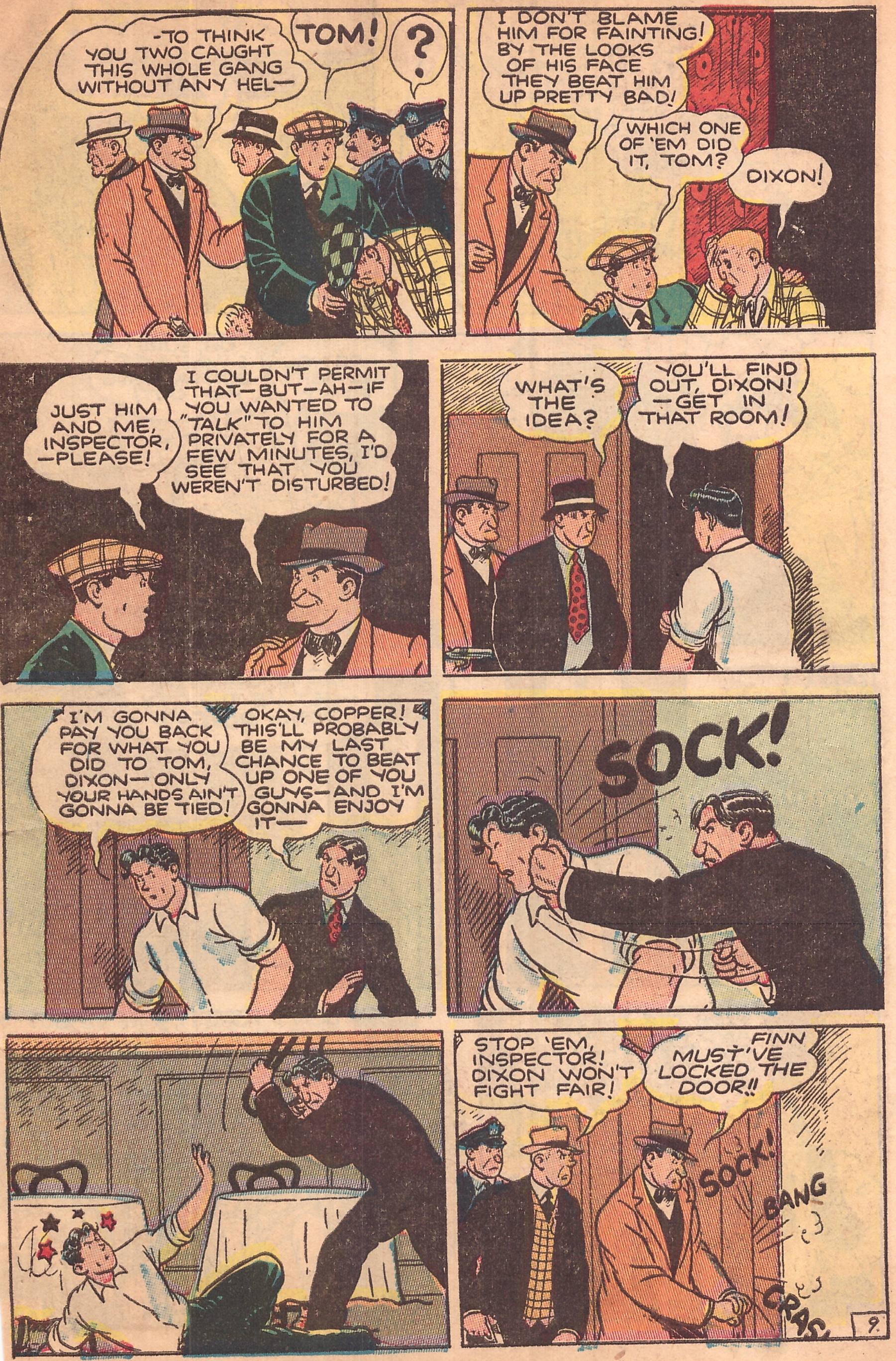
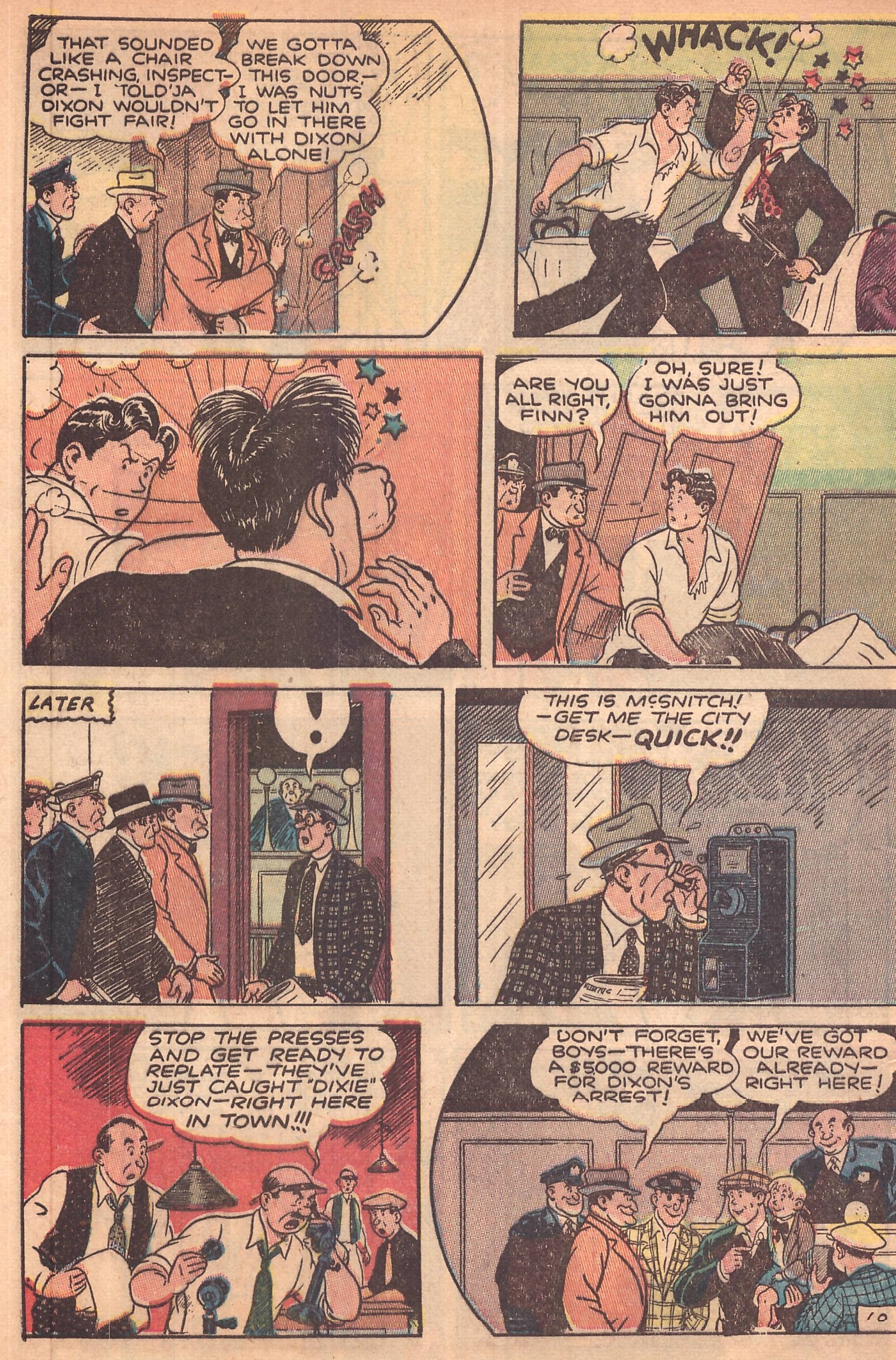
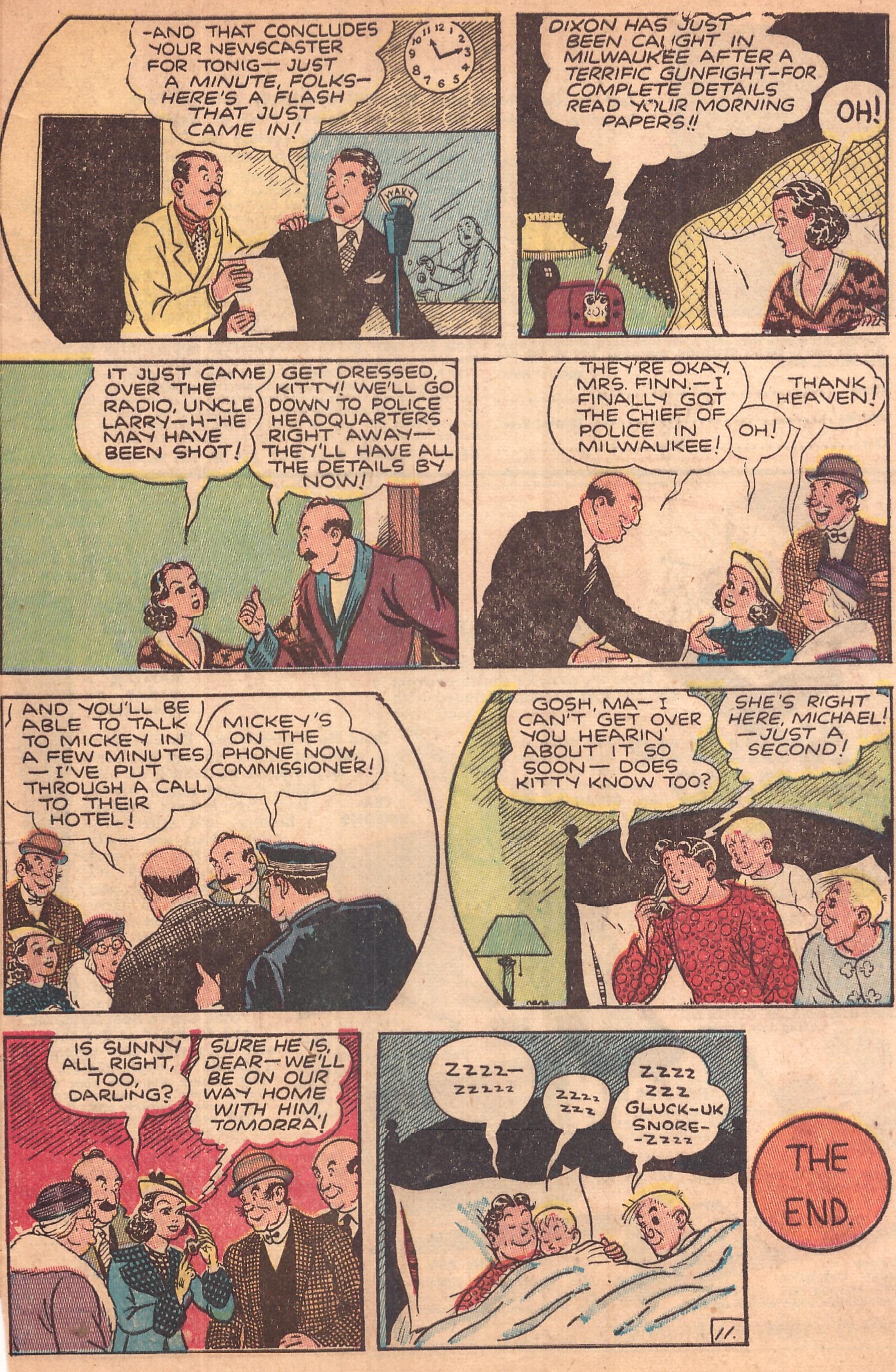
As must be clear by now when it comes to comic books and comic strips my tastes can be as wide as they are eclectic, but that having been said I’m mostly a middlebrow; I tend to skew more towards the pedestrian and mainstream rather that the outre and avant-garde. Which probably explains my inexplicable affection for the all but forgotten comic strip. Mickey Finn which even in it’s heyday was never a top-tier strip, either creatively or when it came to popularity. But it was popular enough to last a remarkably long time, starting in 1936 and ending in 1976, especially given it’s thin premise; a mostly light-hearted look at the work and home life of a uniformed policeman named Michael Aloysius Finn that lived with his mother. Mickey was a good-natured, big kid at heart type and like a lot of comic strip protagonists of this era was a paragon of virtue and all-around role model for kids, hence, not a lot of laughs. So the comic relief was mostly relegated to his Uncle Phil, the living embodiment of every vice and failing ever ascribed to the Irish save one; though frequently seen in a tavern he was not a habitual drunk. He was, however, a fantastically stupid shiftless, stubborn, argumentative blowhard and know-it-all who had the aspect of a shaved ape, all of which proved popular with readers and his repetitive low-rent antics soon took soon took over the Sunday strips. As demonstrated here in this Sunday page reprint from an issue of Feature Comics.

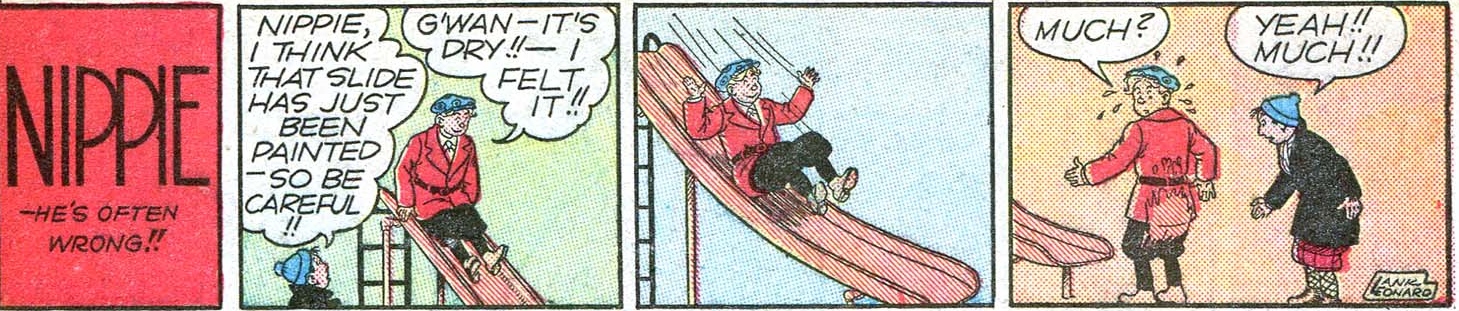
So basically these were the endless “adventures” of a complete imbecile screwing up but for some reason they became my favorite feature in Feature Comics. I enjoyed the “topper”, comic strip parliance for “the short strip that ran at the top of the main feature” Nippie about a know-it-all kid who, as the subtitle established was “often wrong”. It likewise was endless variations on a single theme, but it resonated with me, perhaps because I’m so often wrong myself.

 
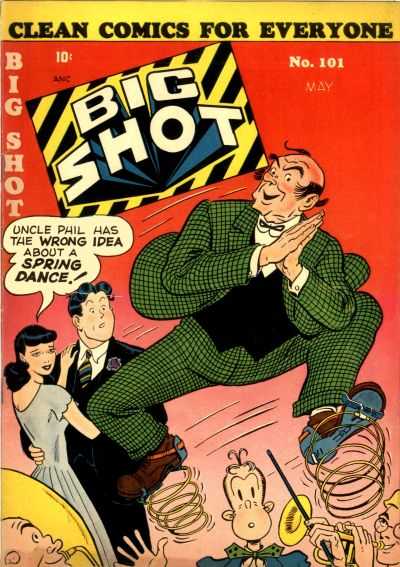
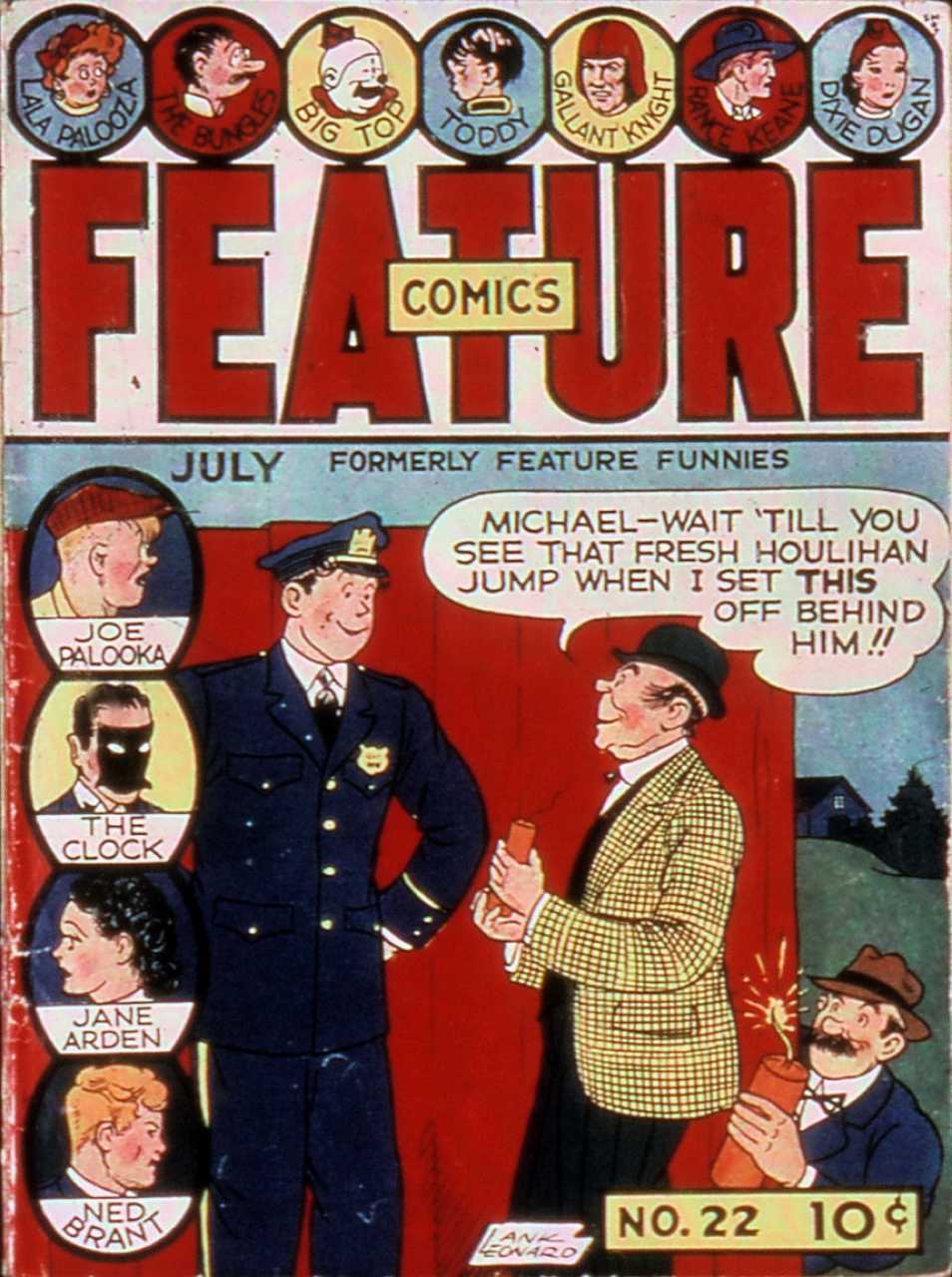
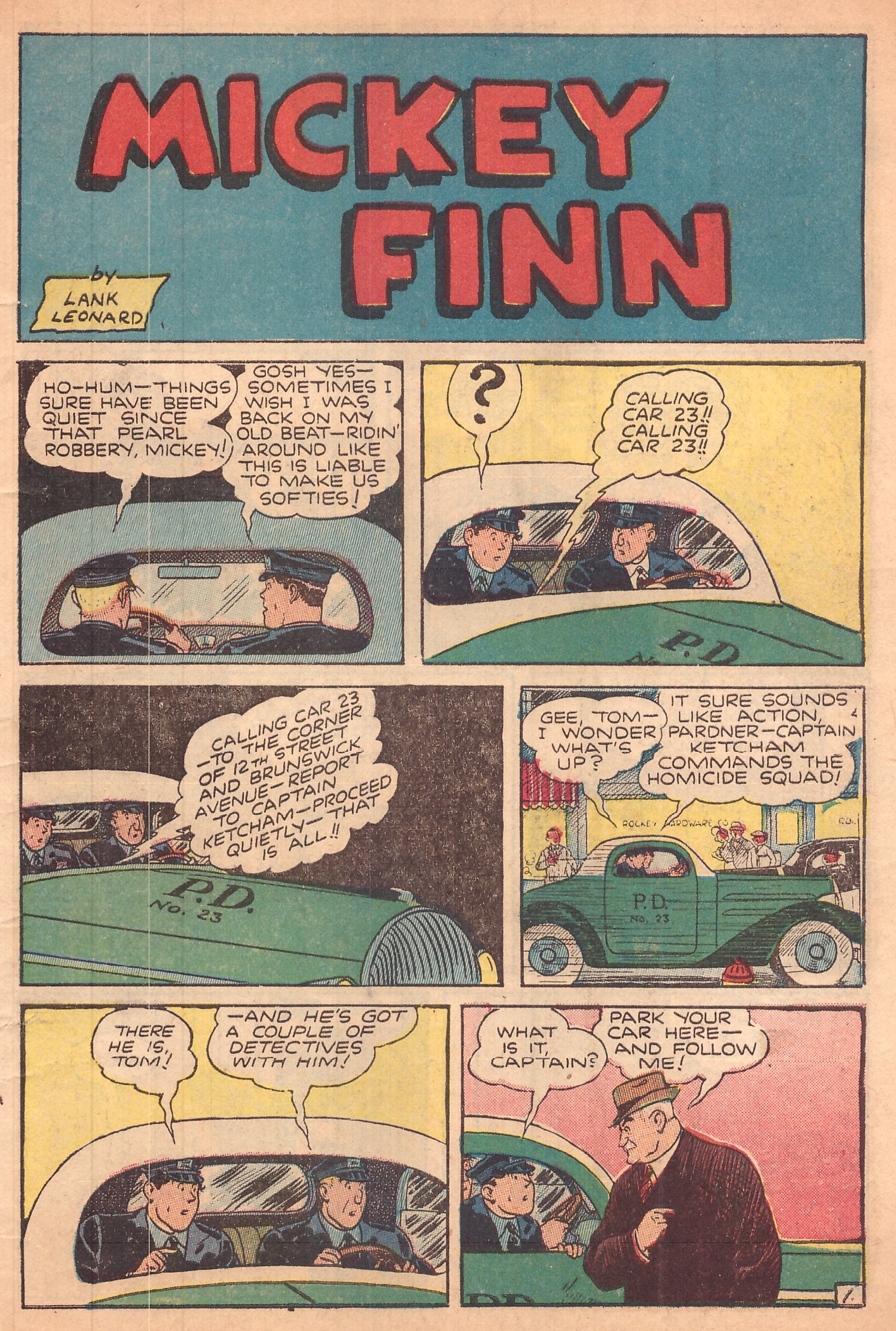
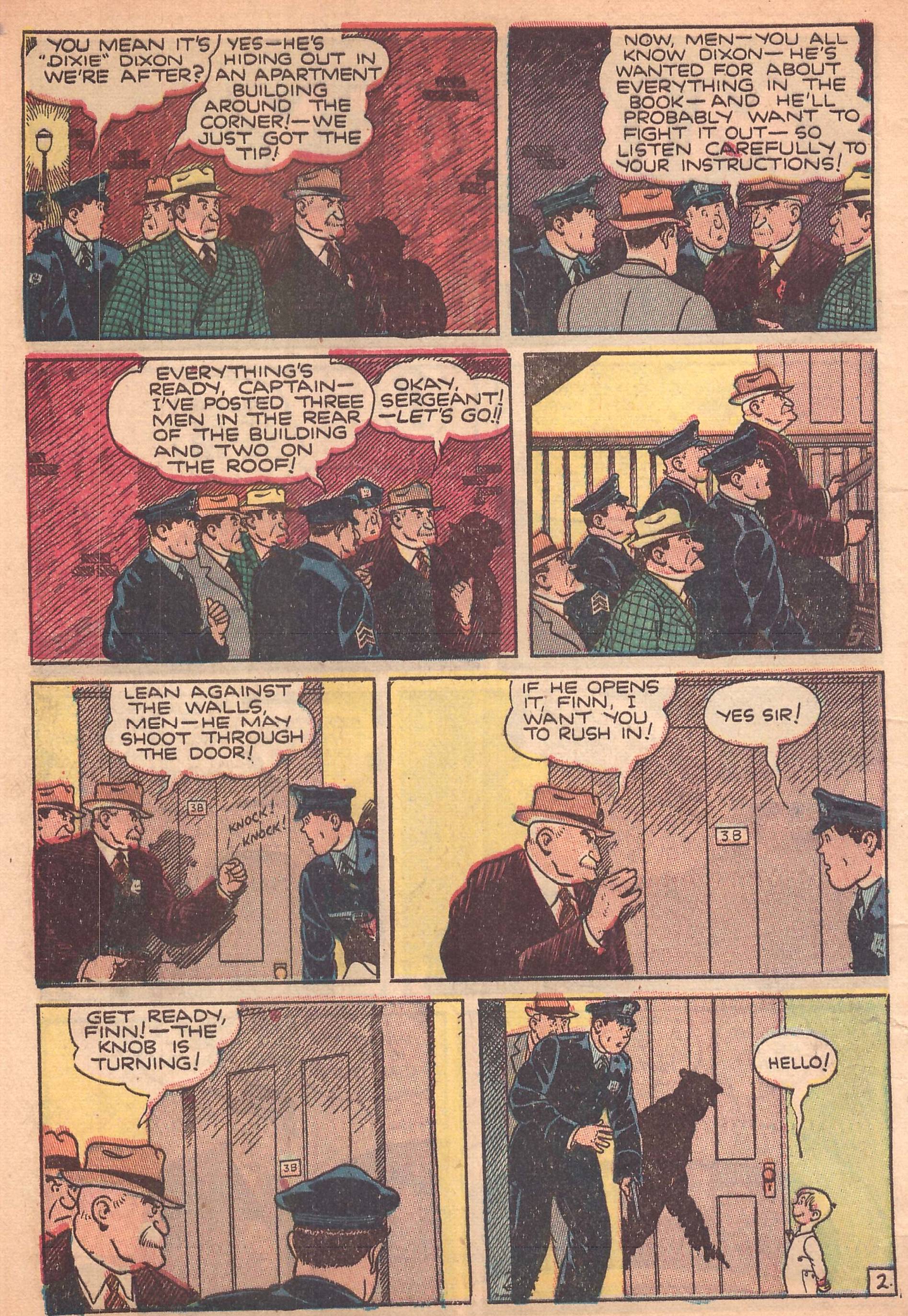
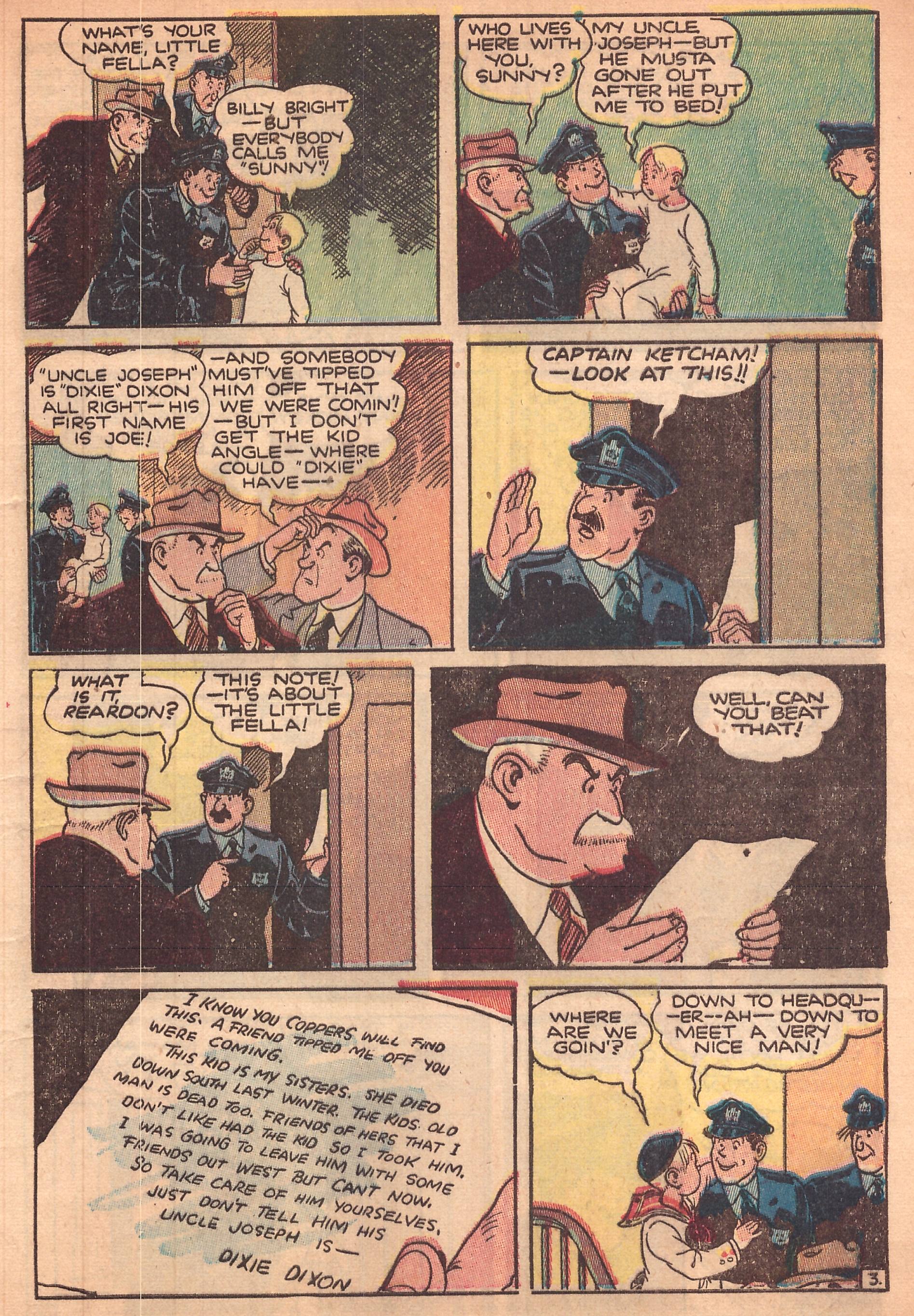
Mickey Finn appeared in the pages of Feature and Big Shot Comics as well as 15 issues of his own comic which reprinted the dailies. #6 is a good place for those unfamiliar with the strip to starts as it’s a complete sequence focusing on Mickey that shows that when given the rare opportunity he’s actually fairly capable of actual police work. It also features the introduction of Sunny, the blonde, supernaturally well behaved little kid whose presence in the Sundays always kind of puzzled me as he bore no familial resemblance to any of the other Finn’s and yet was treated like one of the family.

                                         
— Steve Bennett
Posted at 09:02 AM
Posted in General | permalink | No Comments »
Friday, January 31, 2026

“Focus on Cartoonists” catch up continues, with pages from the October 1913 issue of Cartoons Magazine.
Above, Luther D. Bradley depicts on the October cover General Victoriano Huerta, who was briefly President of Mexico during the Mexican Revolution.
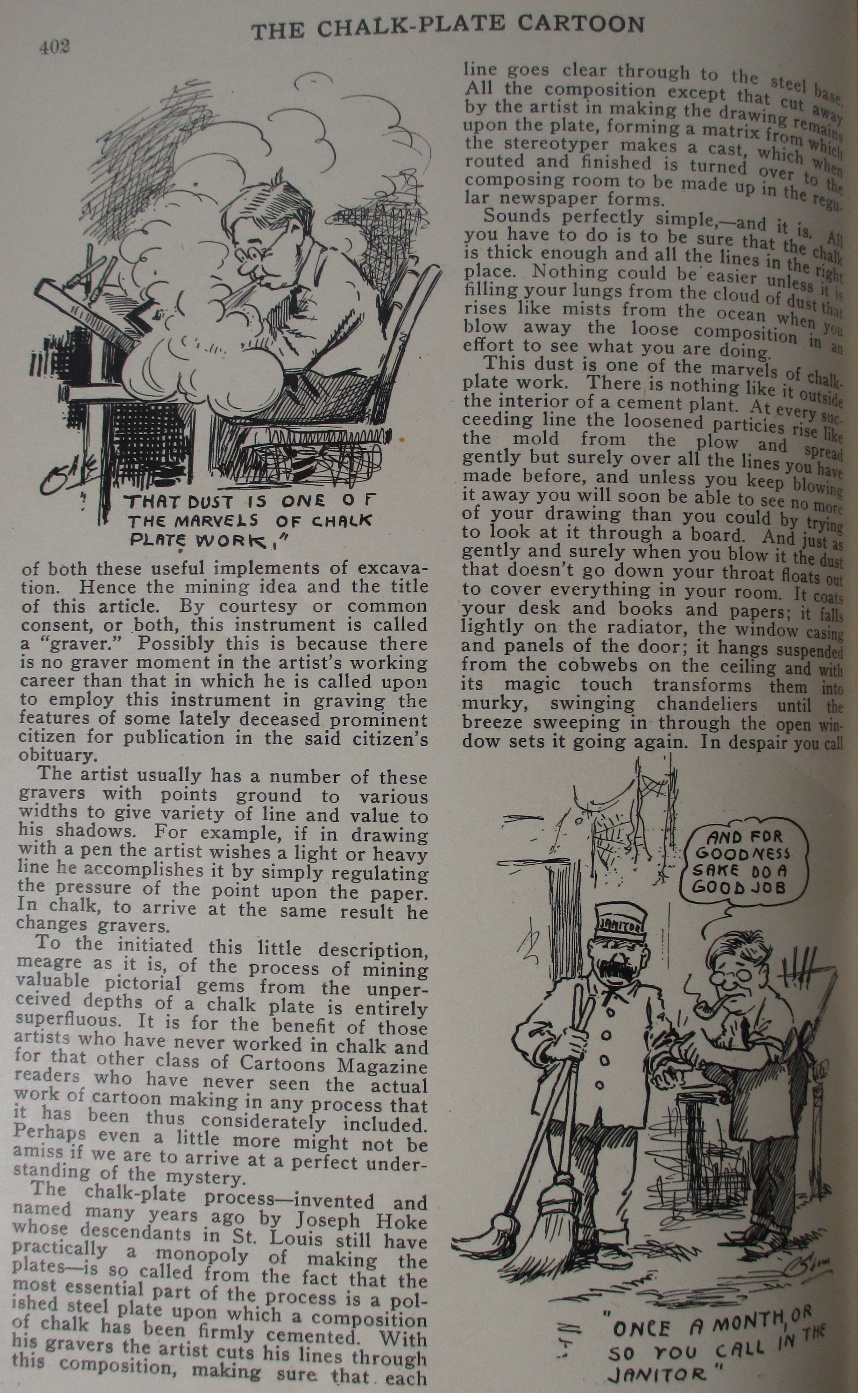
Beneath, an article on cartooning by James H. Shonkwiler.

Click on the above & below pictures, to view them in detail, and be able to read their text.


Cartoonist bios for O’Dell Dean (above) and Homer Stinson (below).

Finally, October’s Landon School ad.

Doug Wheeler
— Doug
Posted at 12:01 AM
Posted in Classic Cartoonists, General | permalink | No Comments »
Tuesday, January 28, 2026
Am I amazed by Spider-Man? Maybe. As I’ve learned over the past few weeks, there are almost as many songs about Spider-Man as there are about Batman. Pretty amazing!

Granted, the majority of these are covers of the 1967 animated TV show theme, but there are plenty more that aren’t. Last Tuesday, I shared one of those, this week it’s one of these!
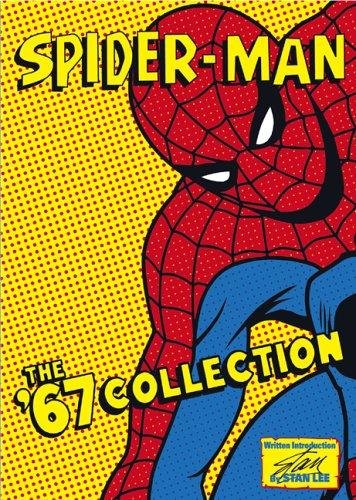 . .
Previously (way back on December 11, 2025) I wrote about punk-pioneers The Ramones and their cover of the Spider-Man theme. This time it’s a punk rock version by a group called The Candy Band. As with the Batman theme, this is a tune that can be played jazzy, or slow, or as a rave-up punk rock anthem. So versatile!

Click below and rock out!

Spiderman - The Candy Band
— DJ David B.
Posted at 12:01 PM
Posted in Comics-Tunes | permalink | No Comments »
Monday, January 27, 2026
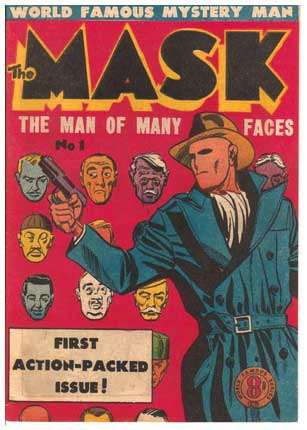
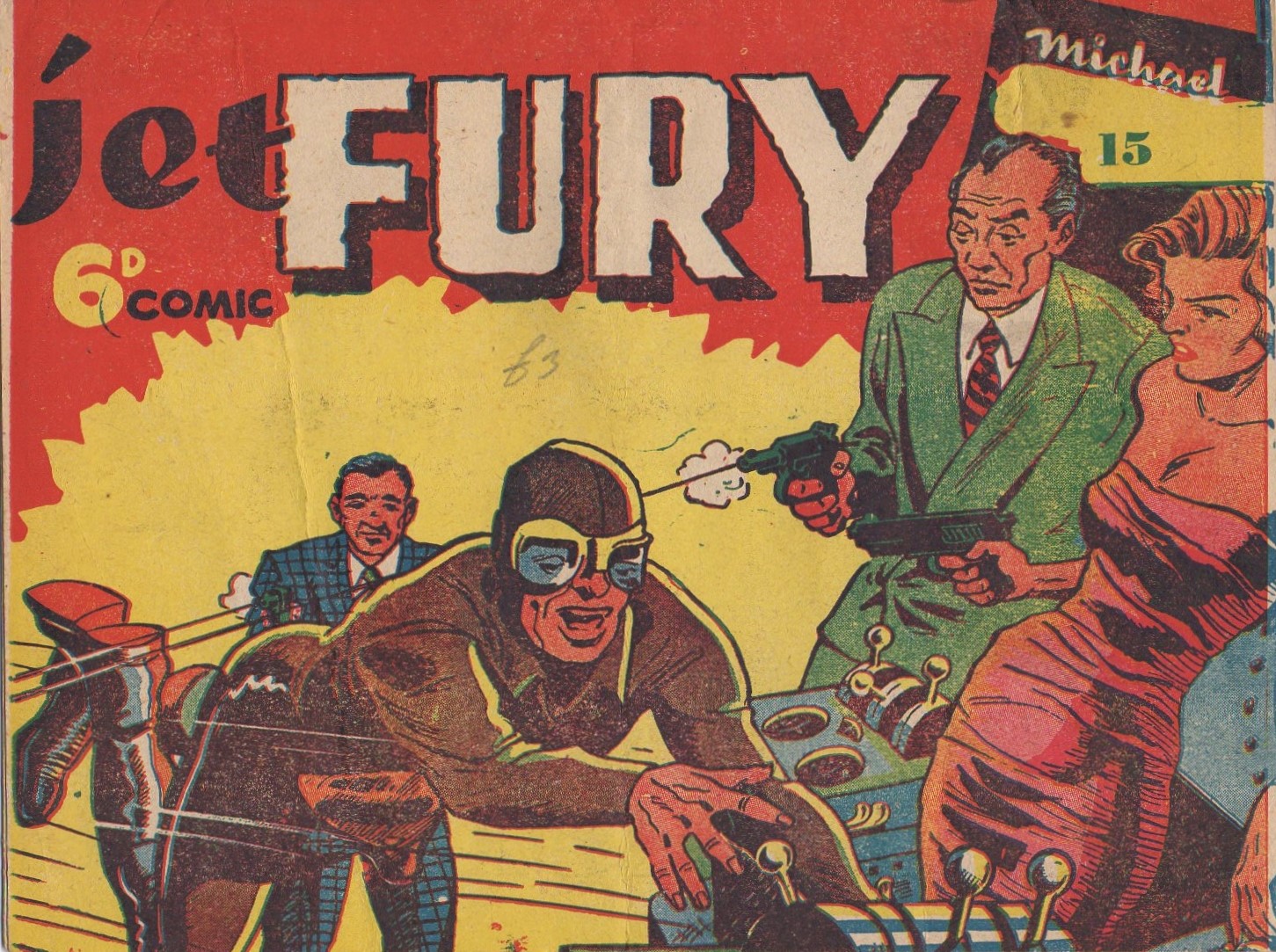
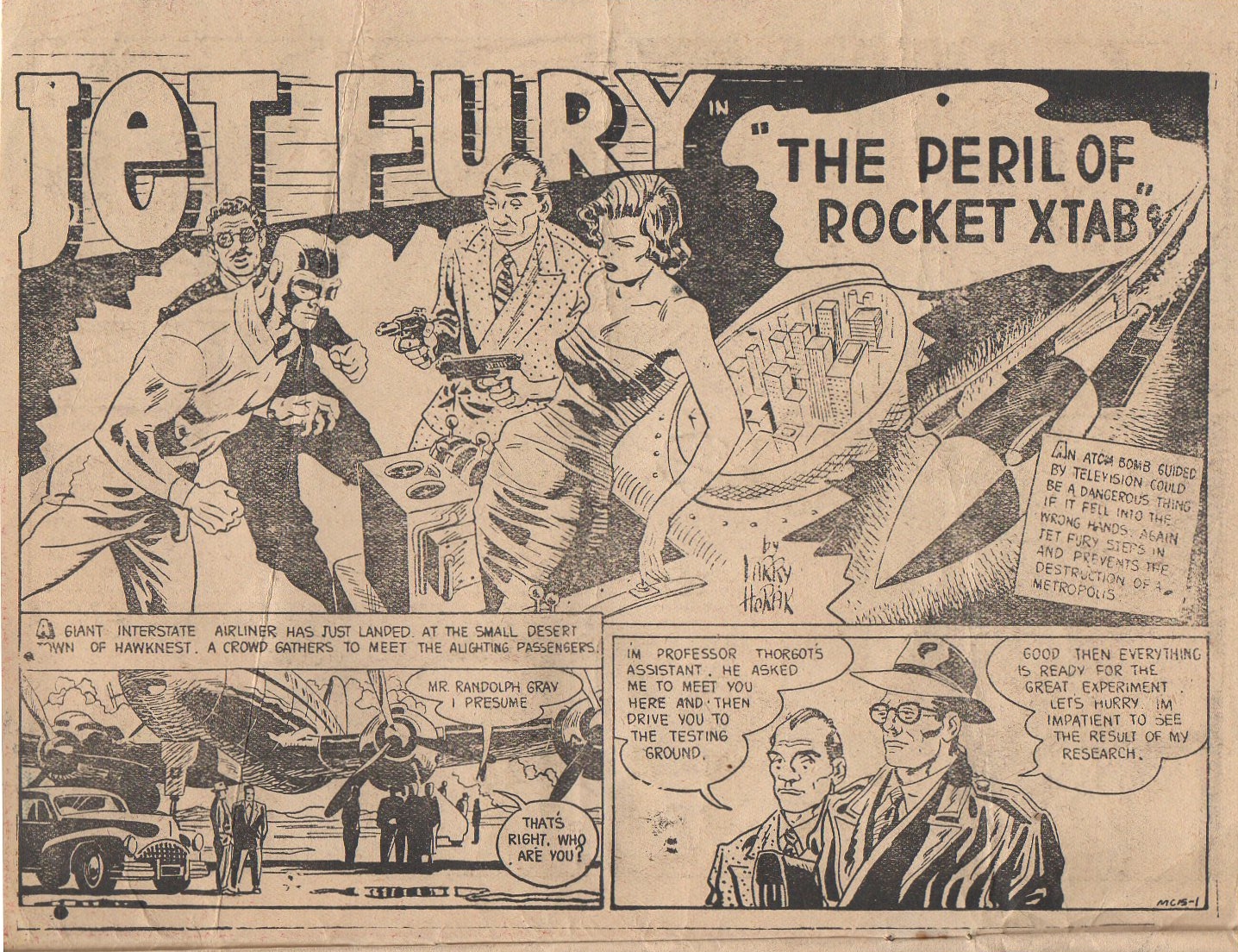
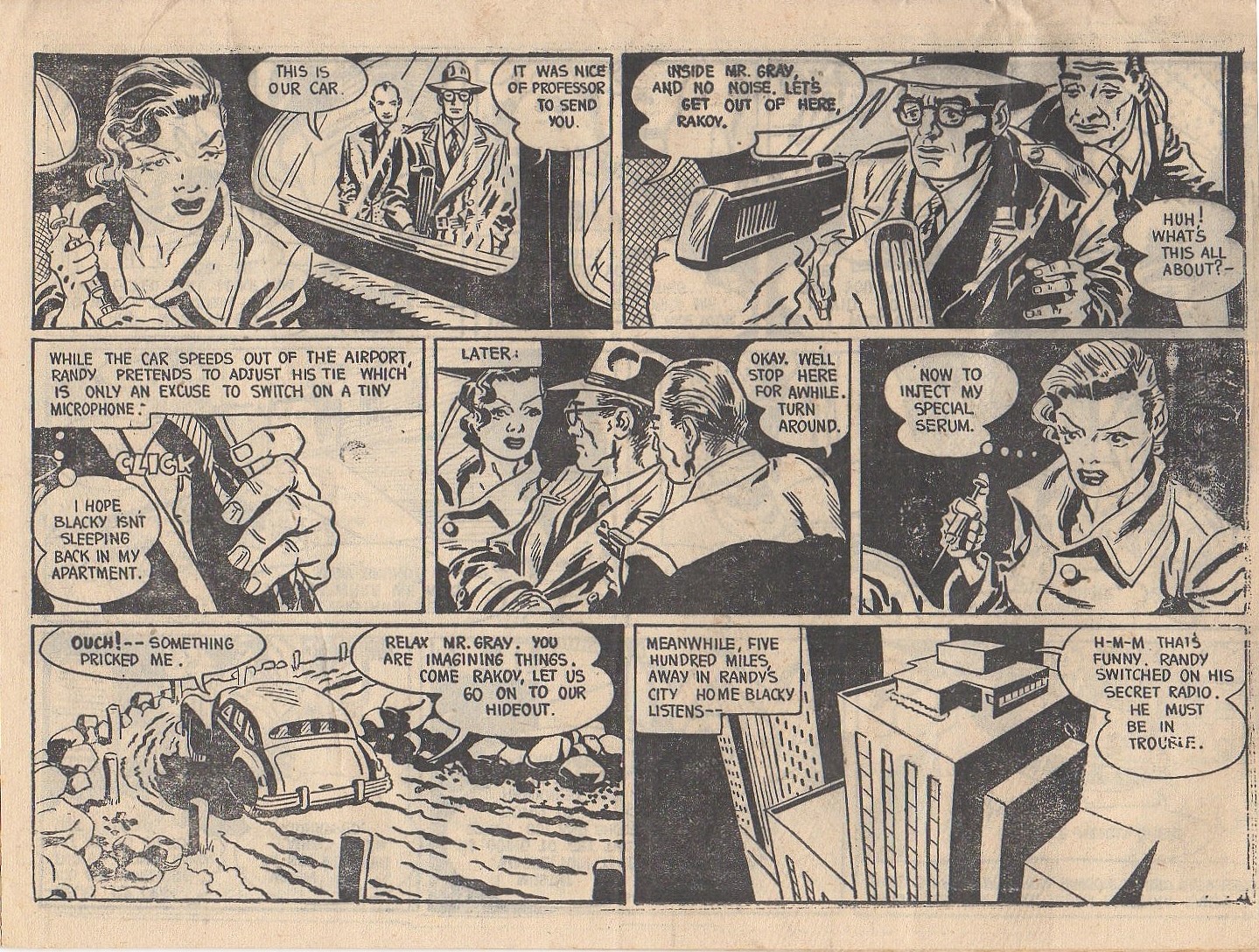
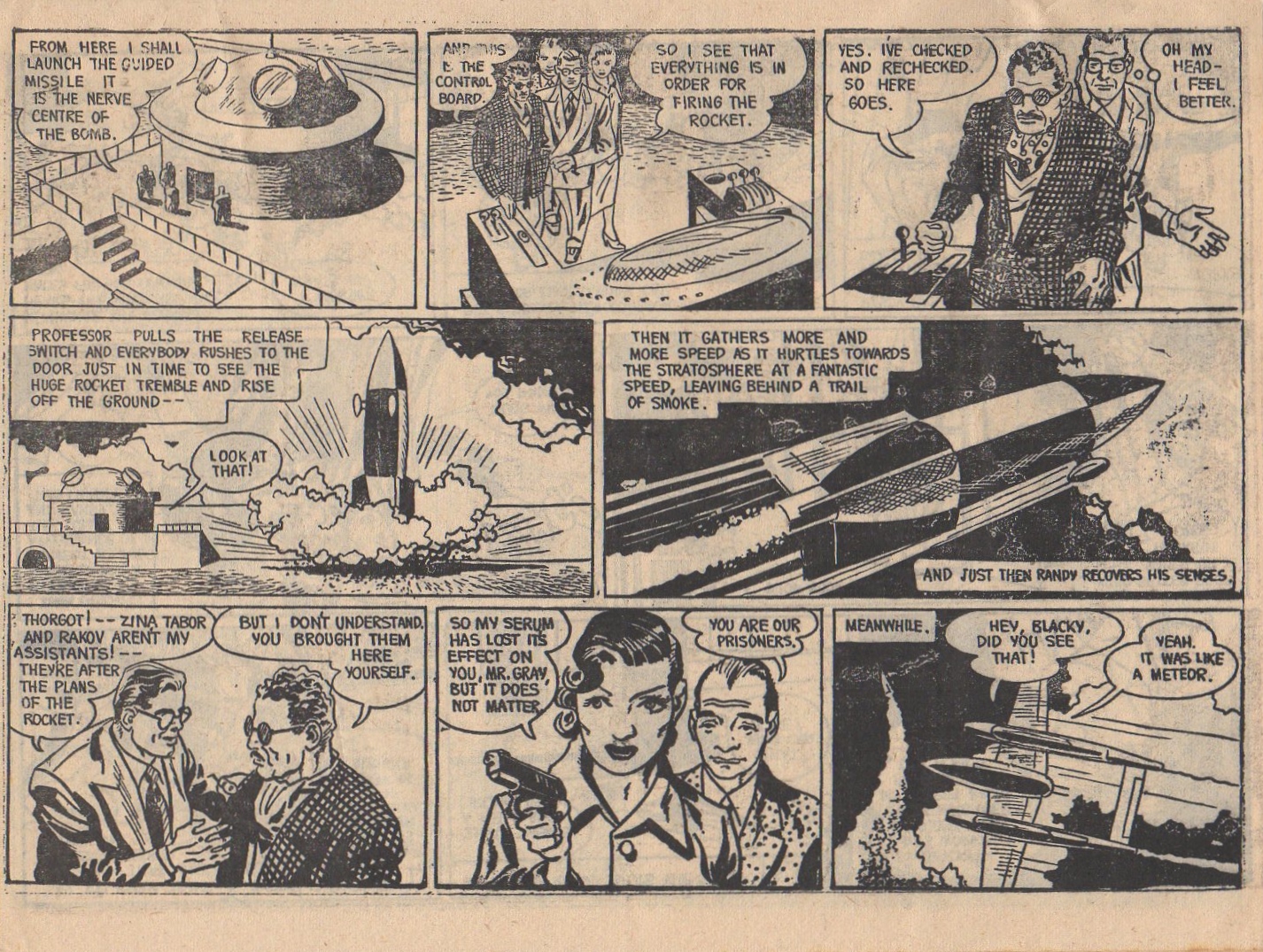
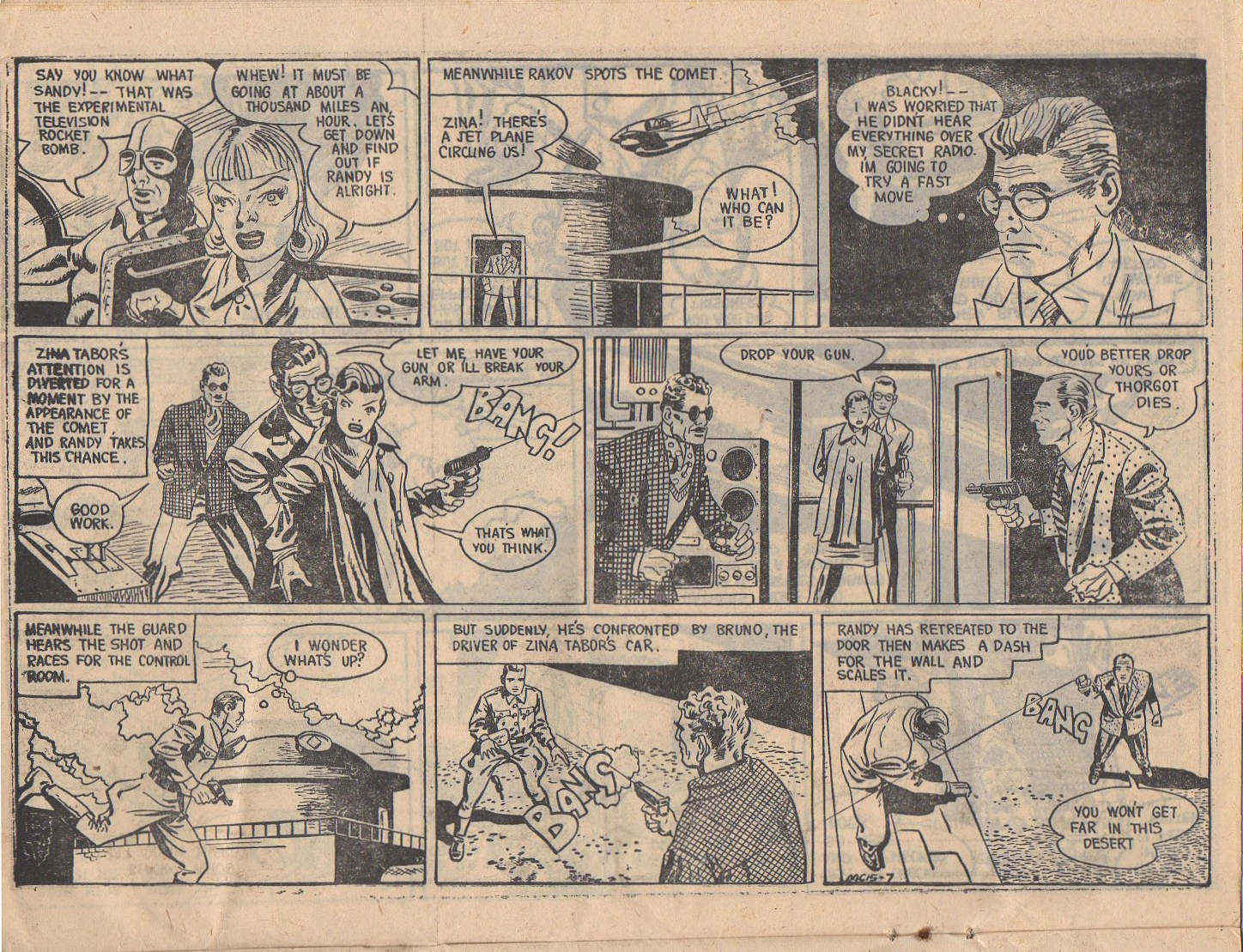
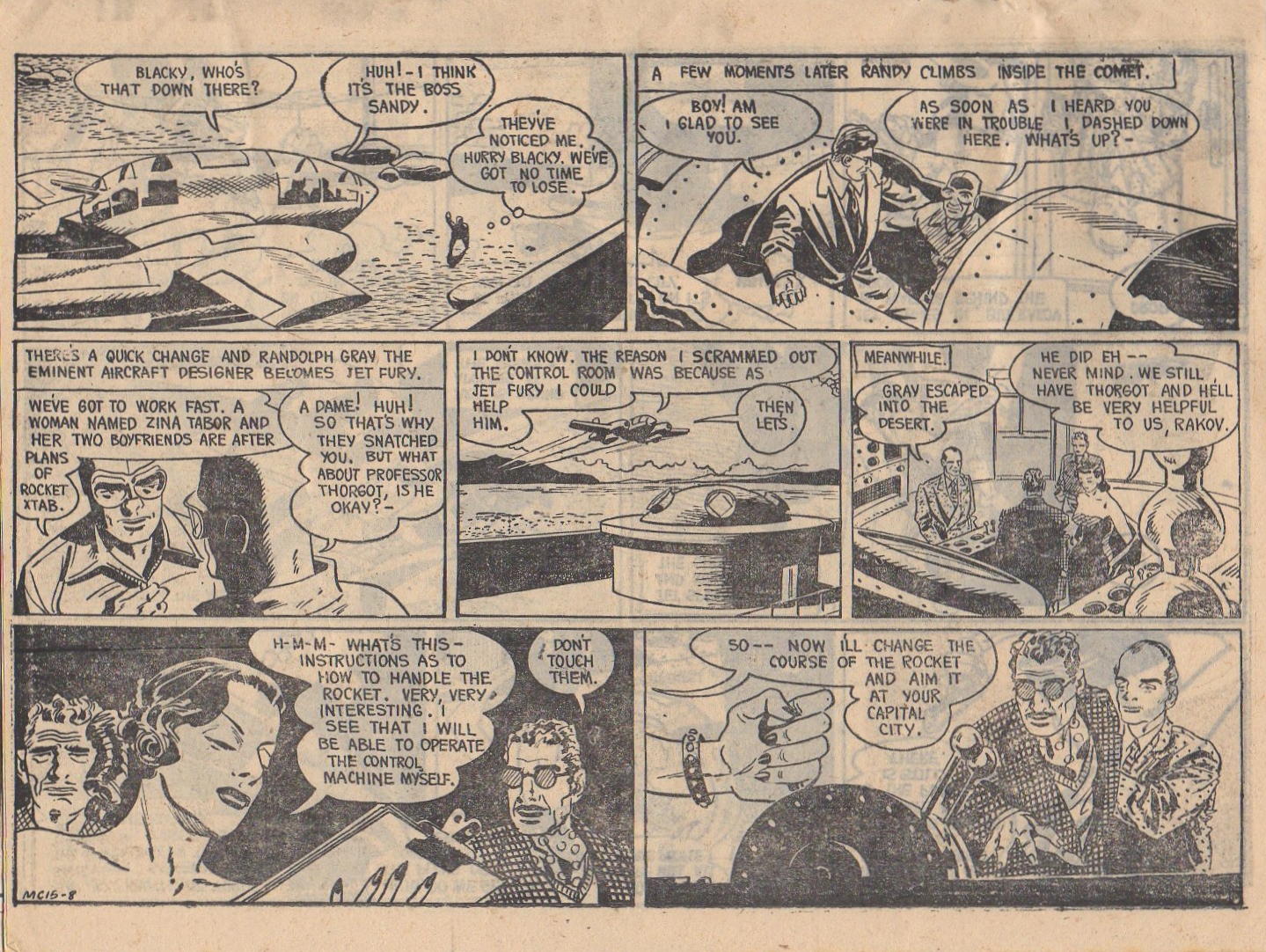
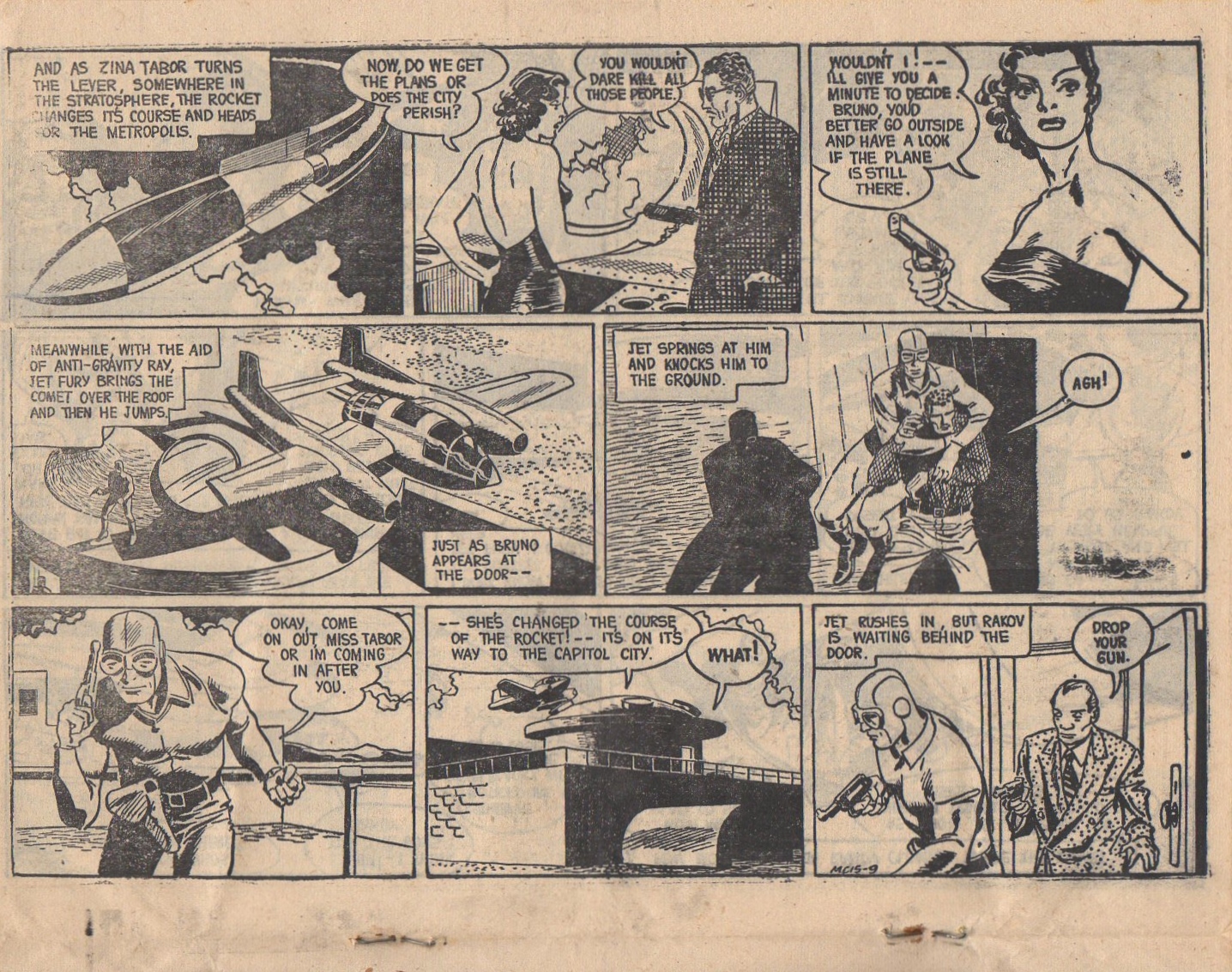
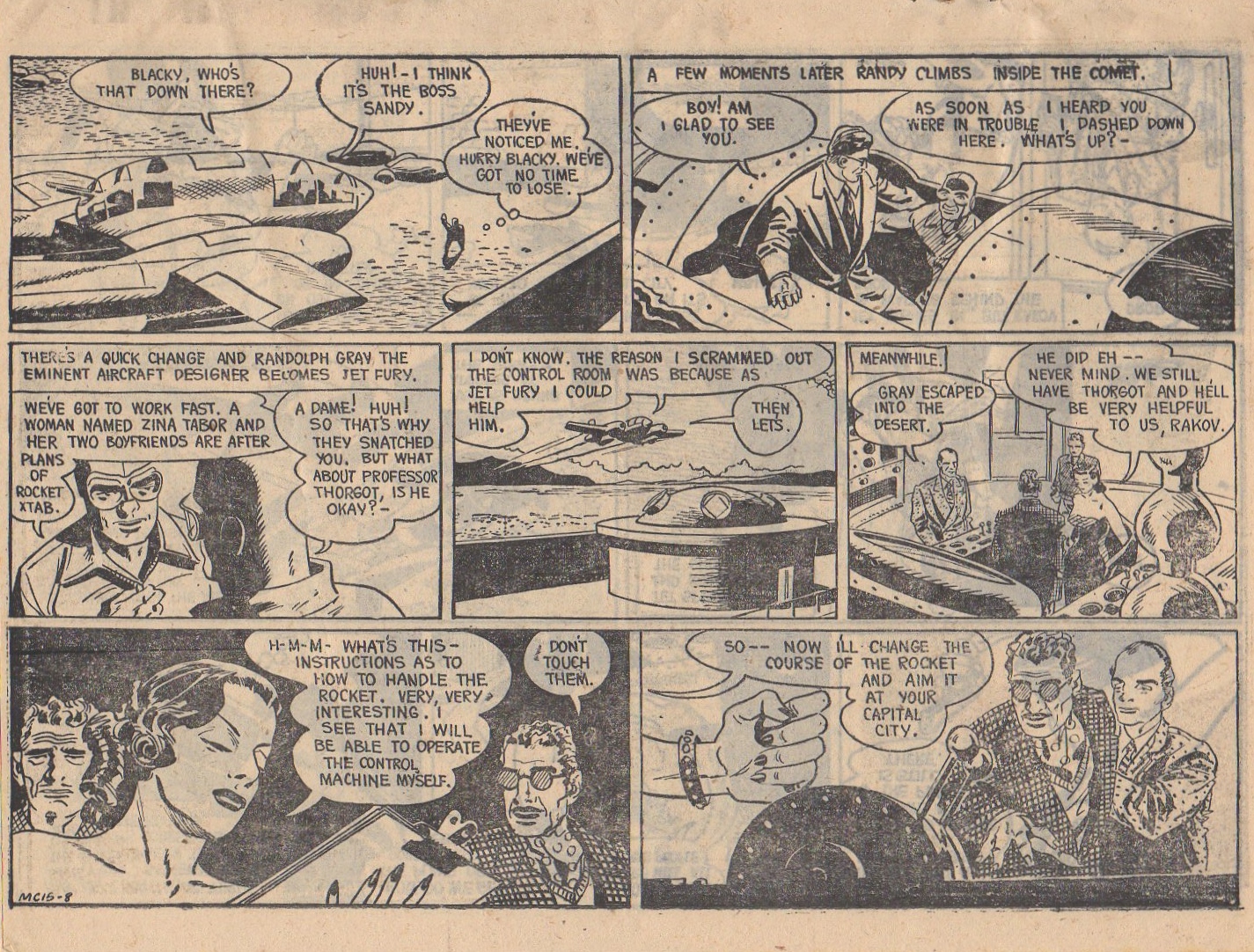
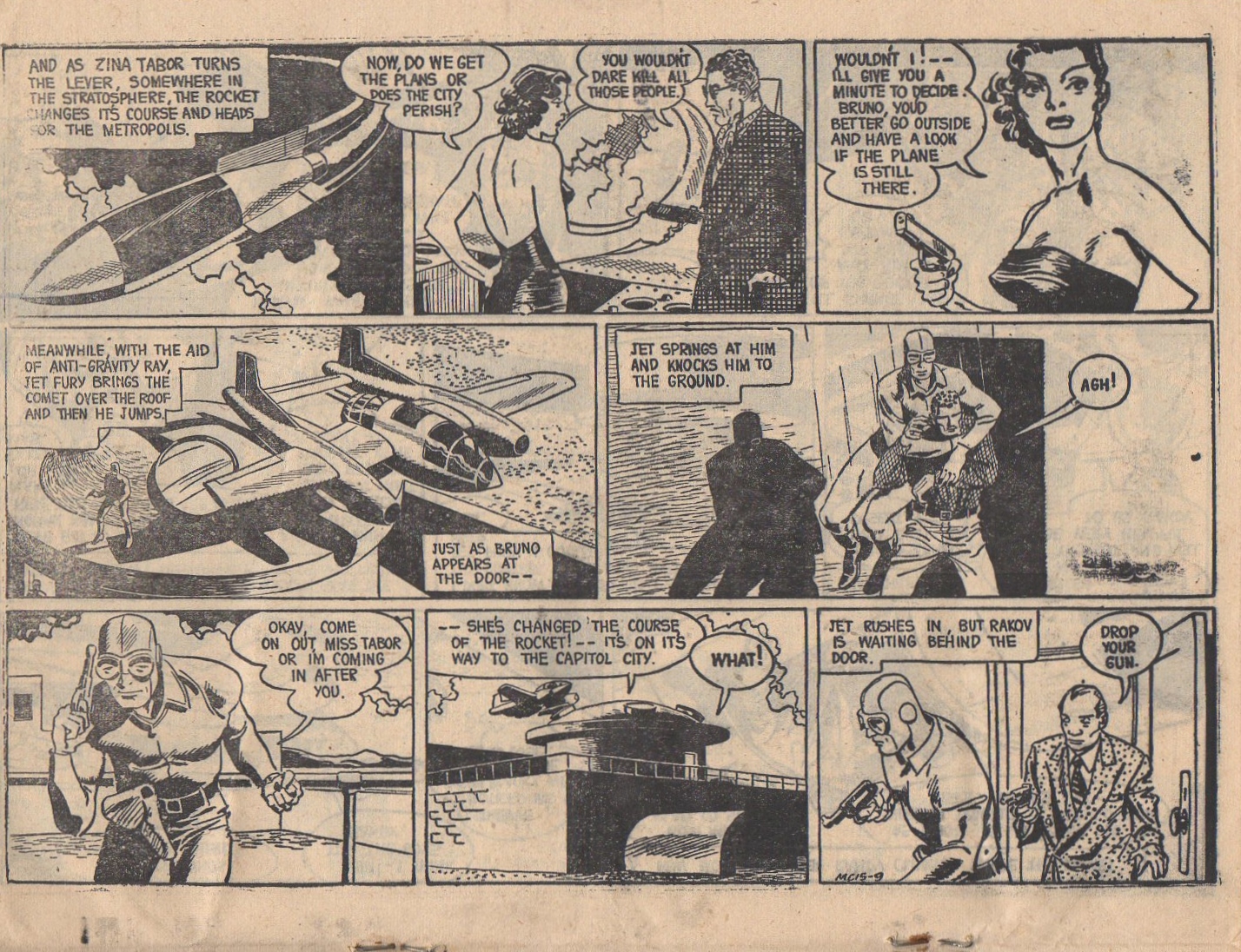
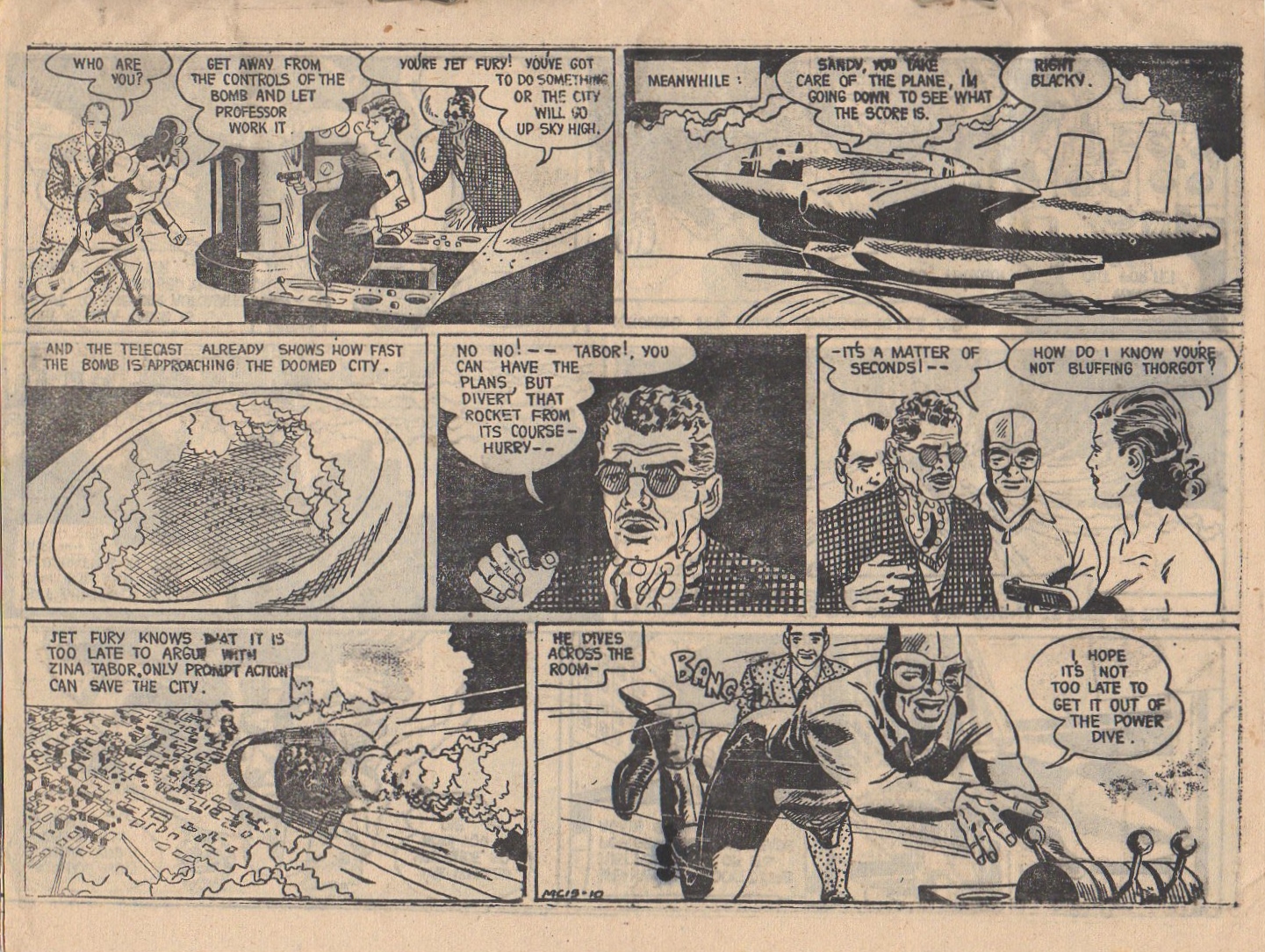
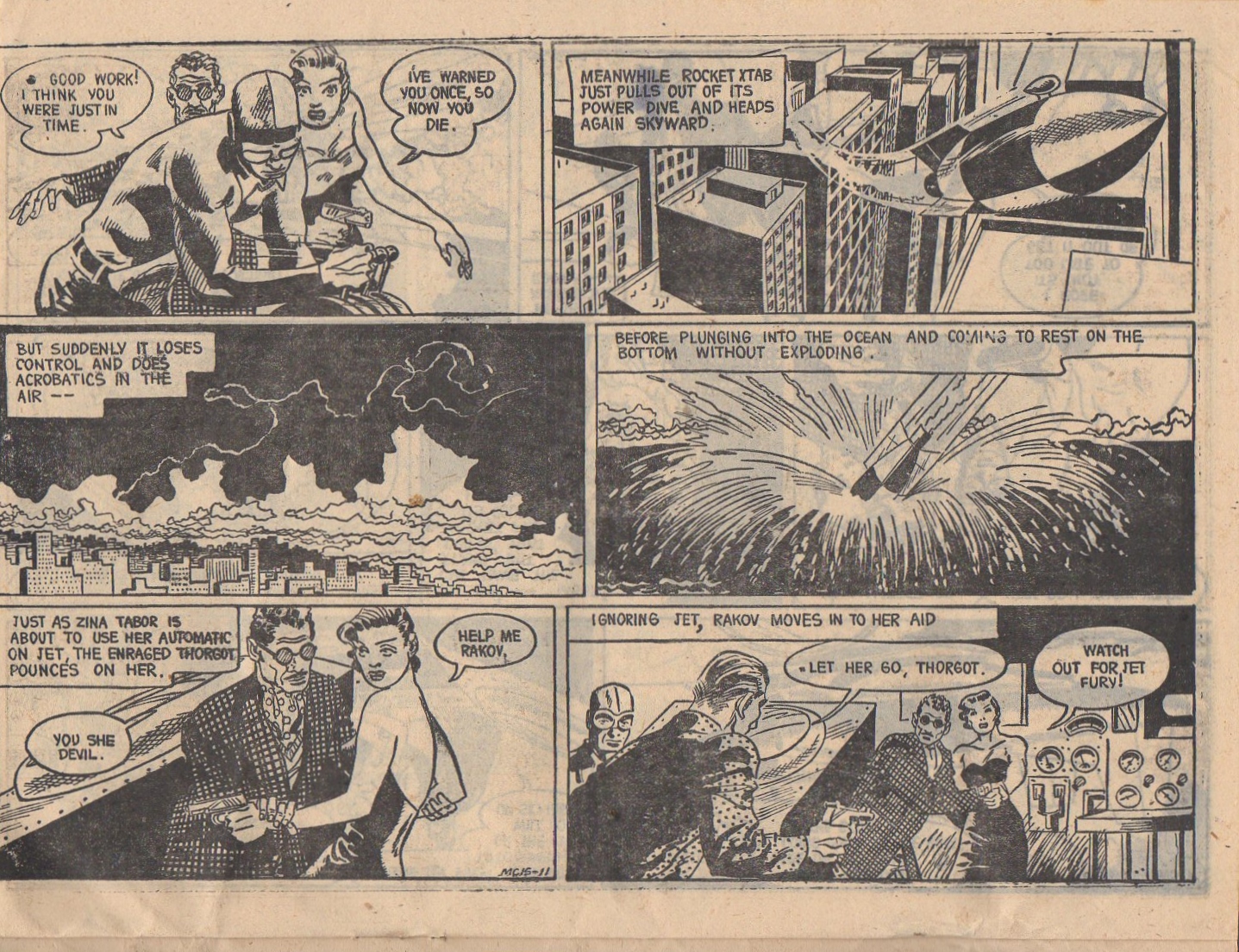
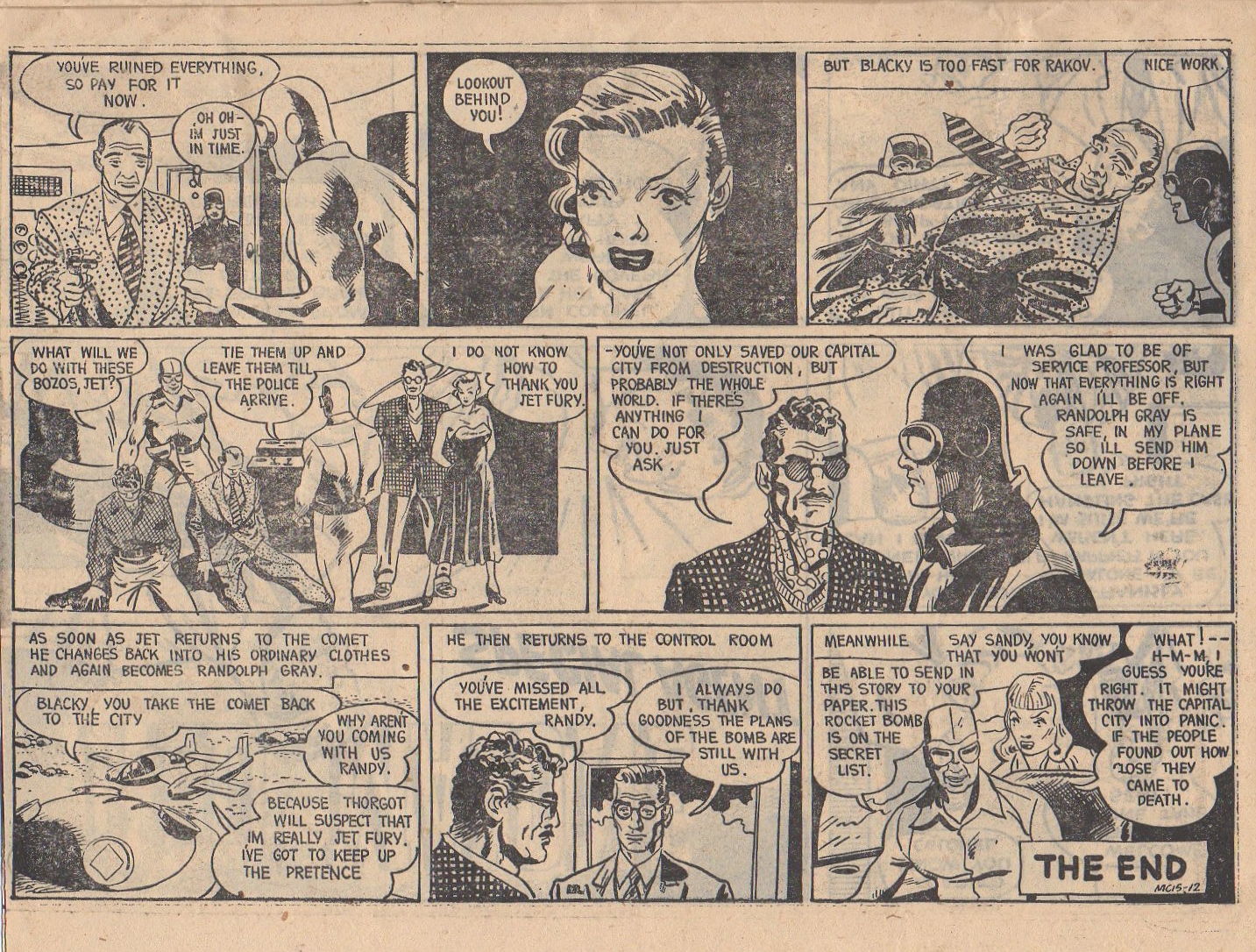
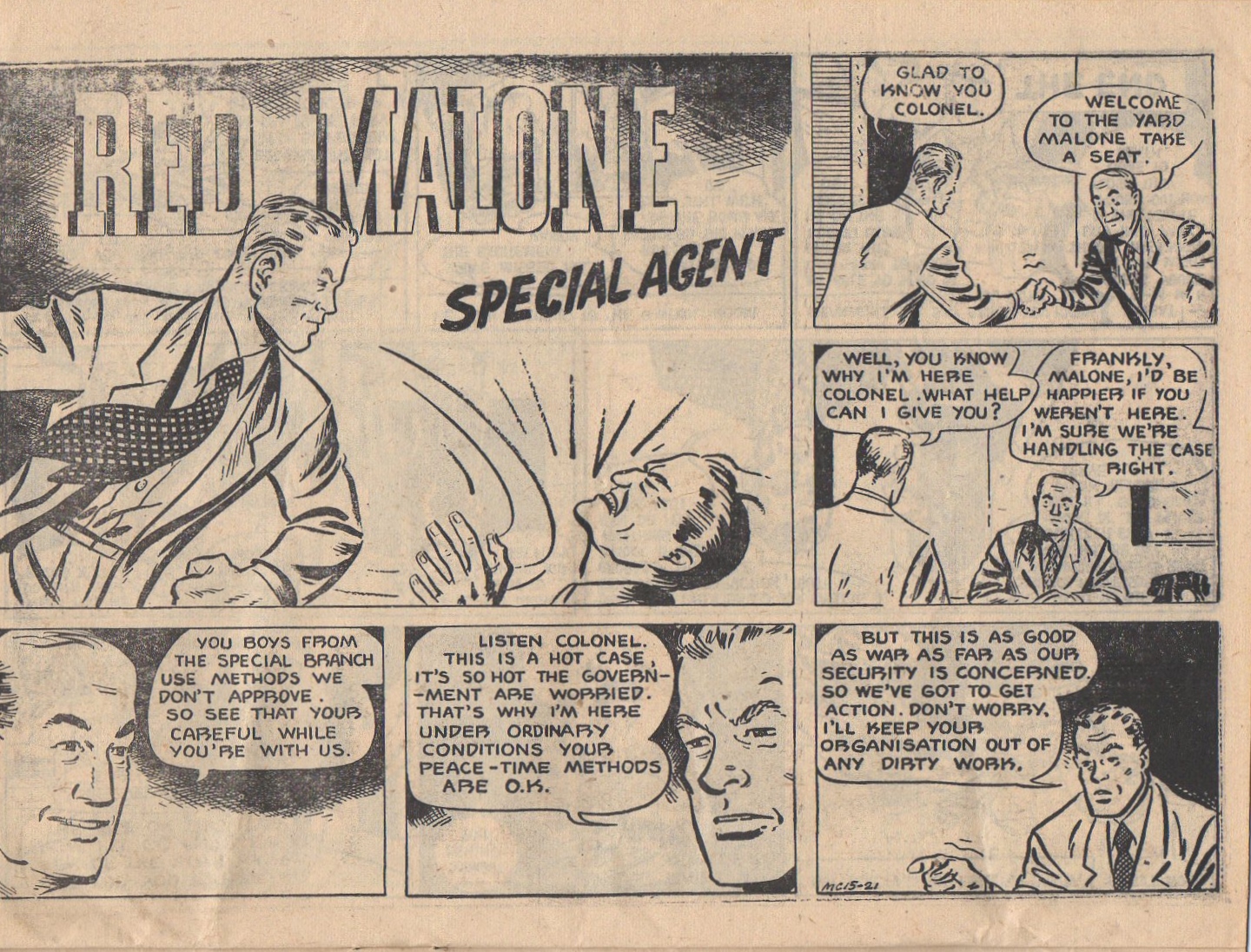
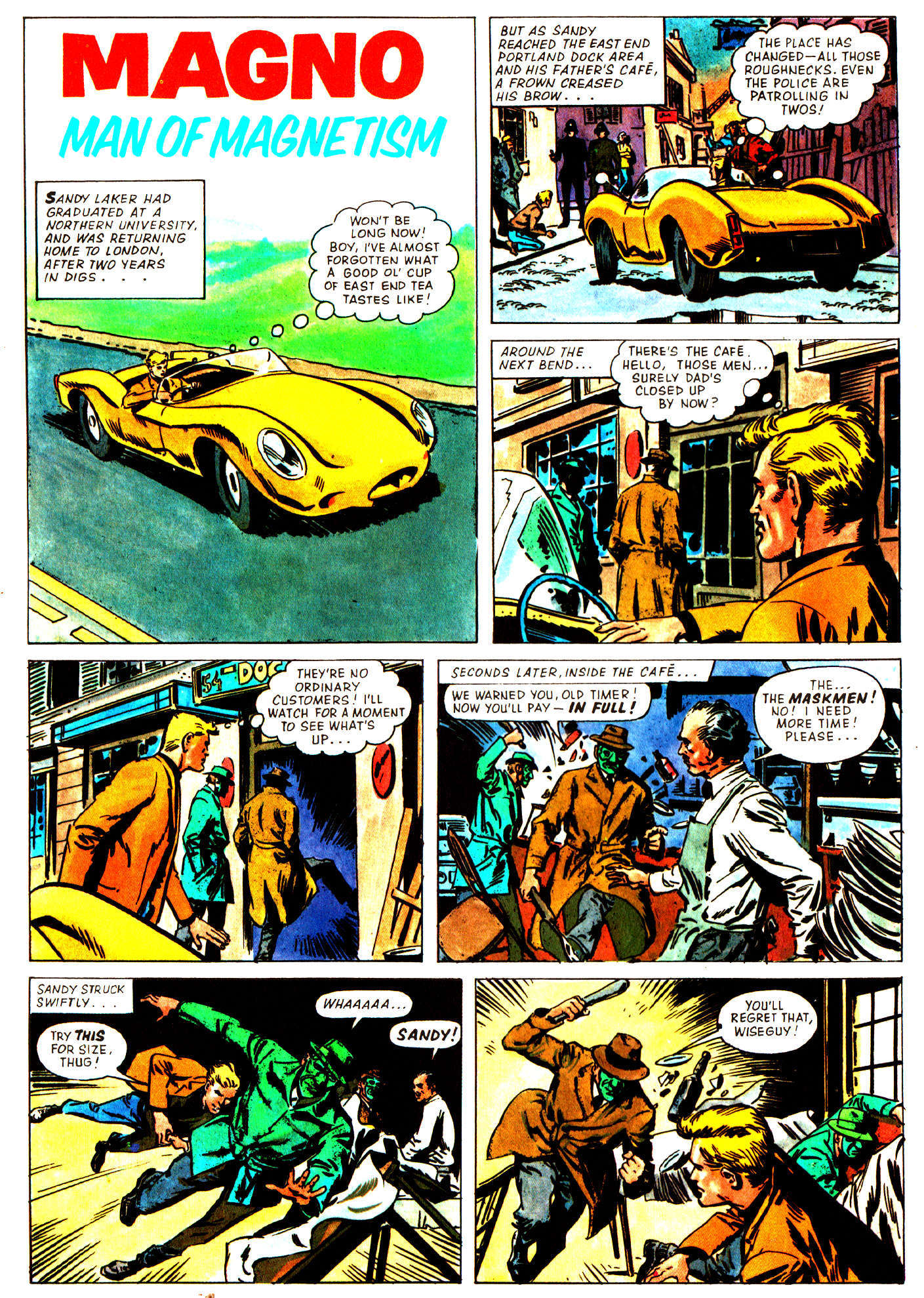
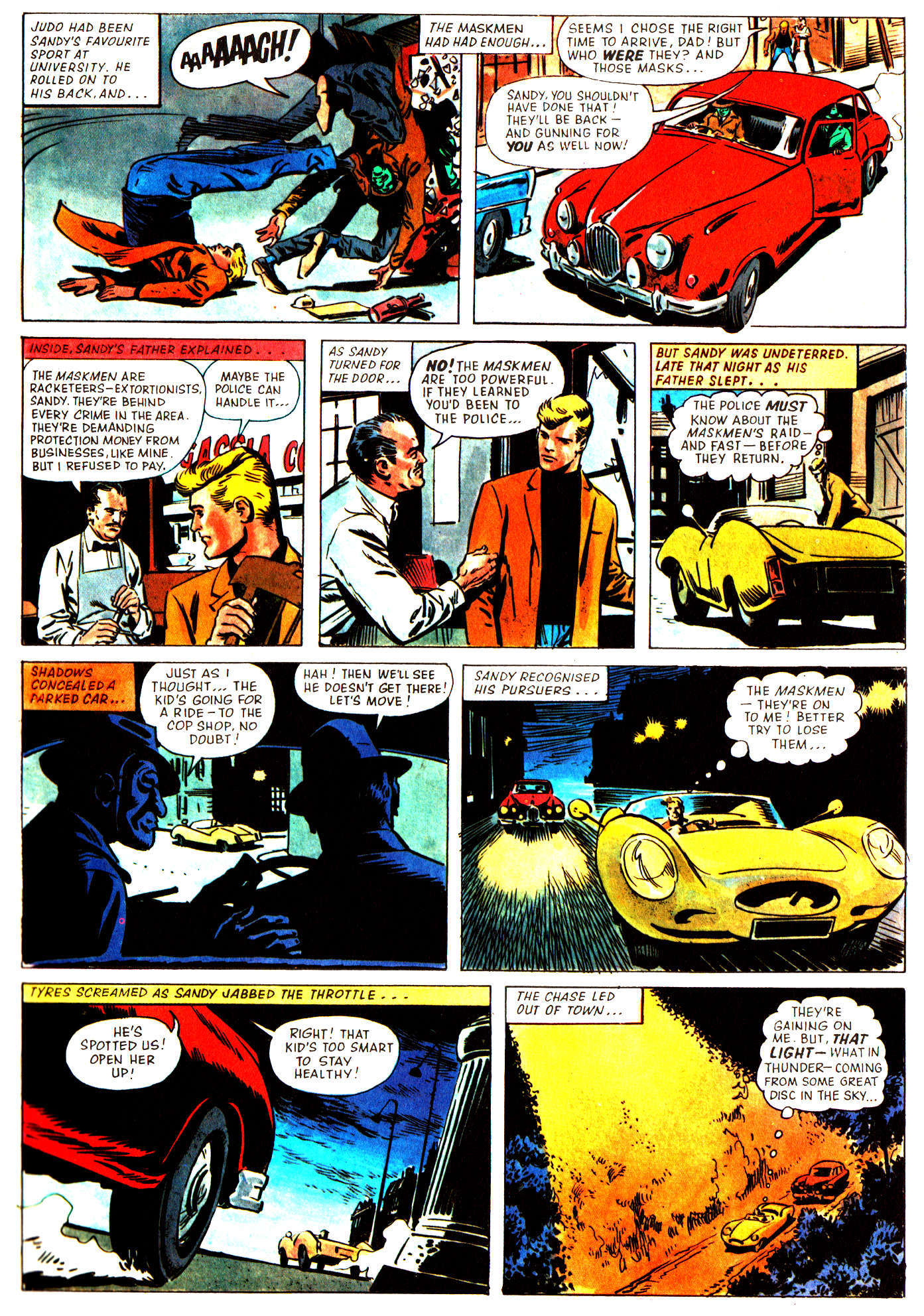
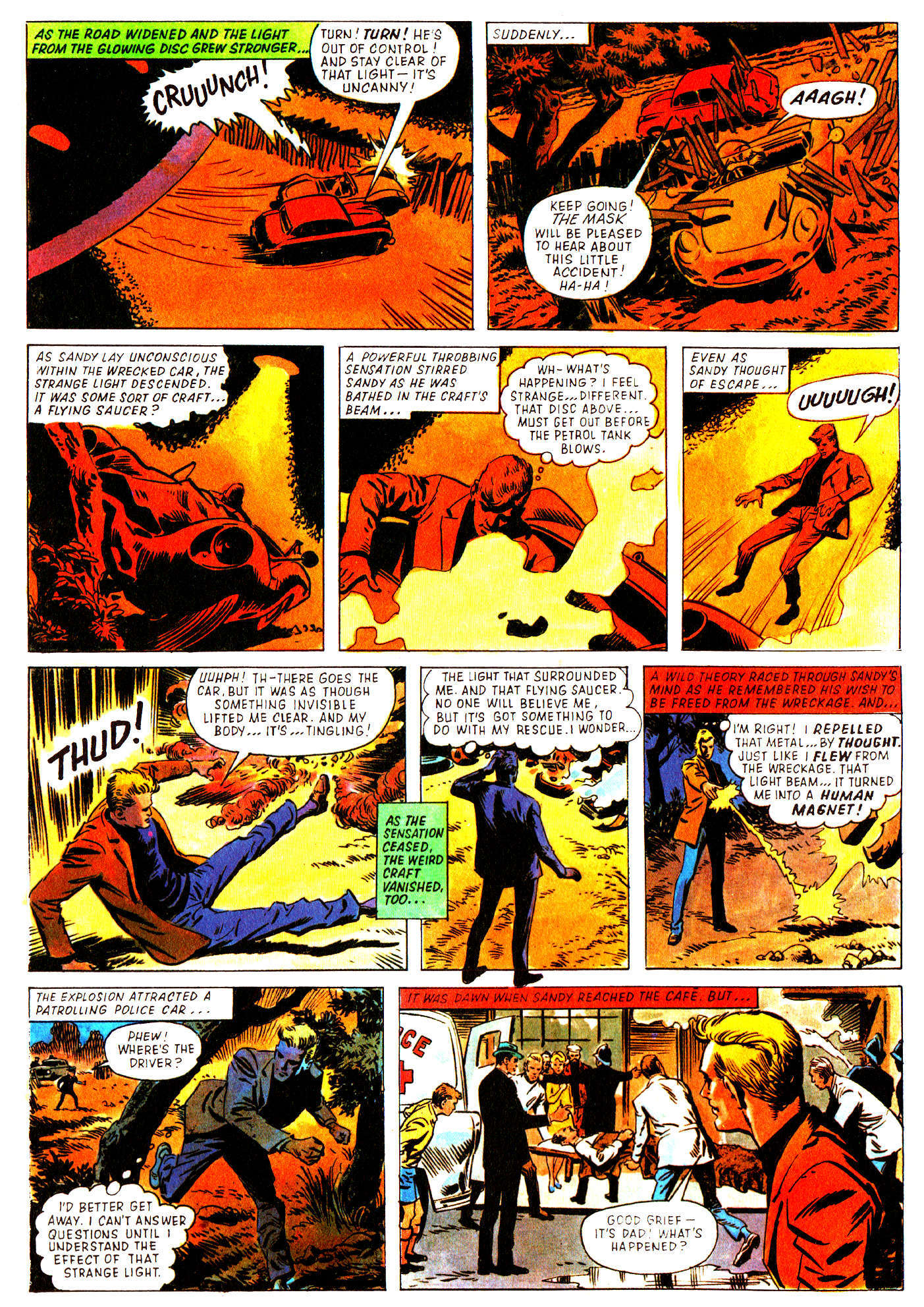
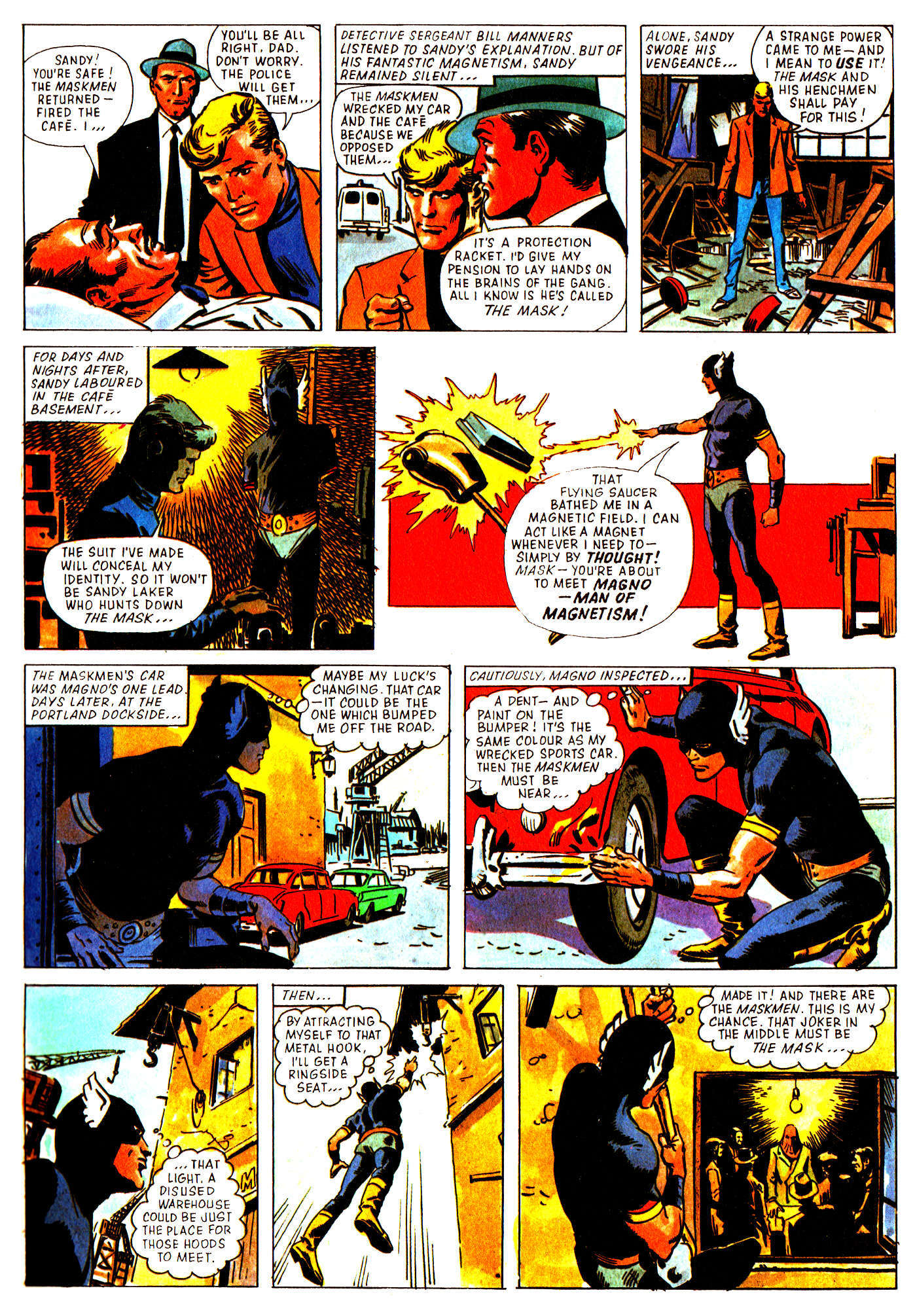
I admittedly know almost nothing about Australian comic books so hopefully you’ll excuse me for mostly just cutting and pasting information from various websites. Jet Fury was the creation of Yaroslav Horak who made a name for himself in Australia in the 50′s for creating The Mask, a crime fighter in a vaguely skull like mask which could magically change to duplicate anyone’s face. It was supposedly a big seller for Atlas Comics until the state of Queensland banned the comic under the belief that a full mask was “evil” (!) after which he abandoned the feature. One site suggested that his character was “stolen and plagiarized by the producers of the Mask movies” which seems highly implausible (to be polite) considering how obscure the character is everywhere other than Austrlian. Plus they author seems to be unaware of the Golden Age character The Face (who probably has a better claim) or the “movie character” first appeared in comics.

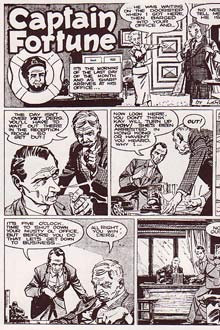
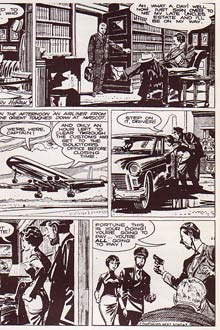
He also worked on a number of other features, including Captain Fortune…
 
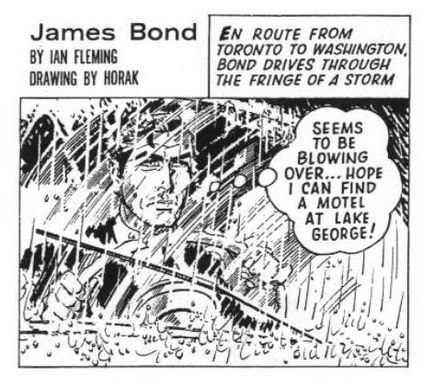
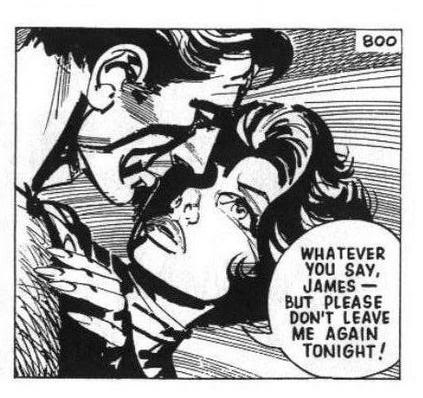
…before moving to England where he drew the James Bond comic strip.
 
Again, I don’t know much about Australian comics, but I know what I like, and I really like this.


— Steve Bennett
Posted at 12:01 PM
Posted in General | permalink | No Comments »
Thursday, January 23, 2026

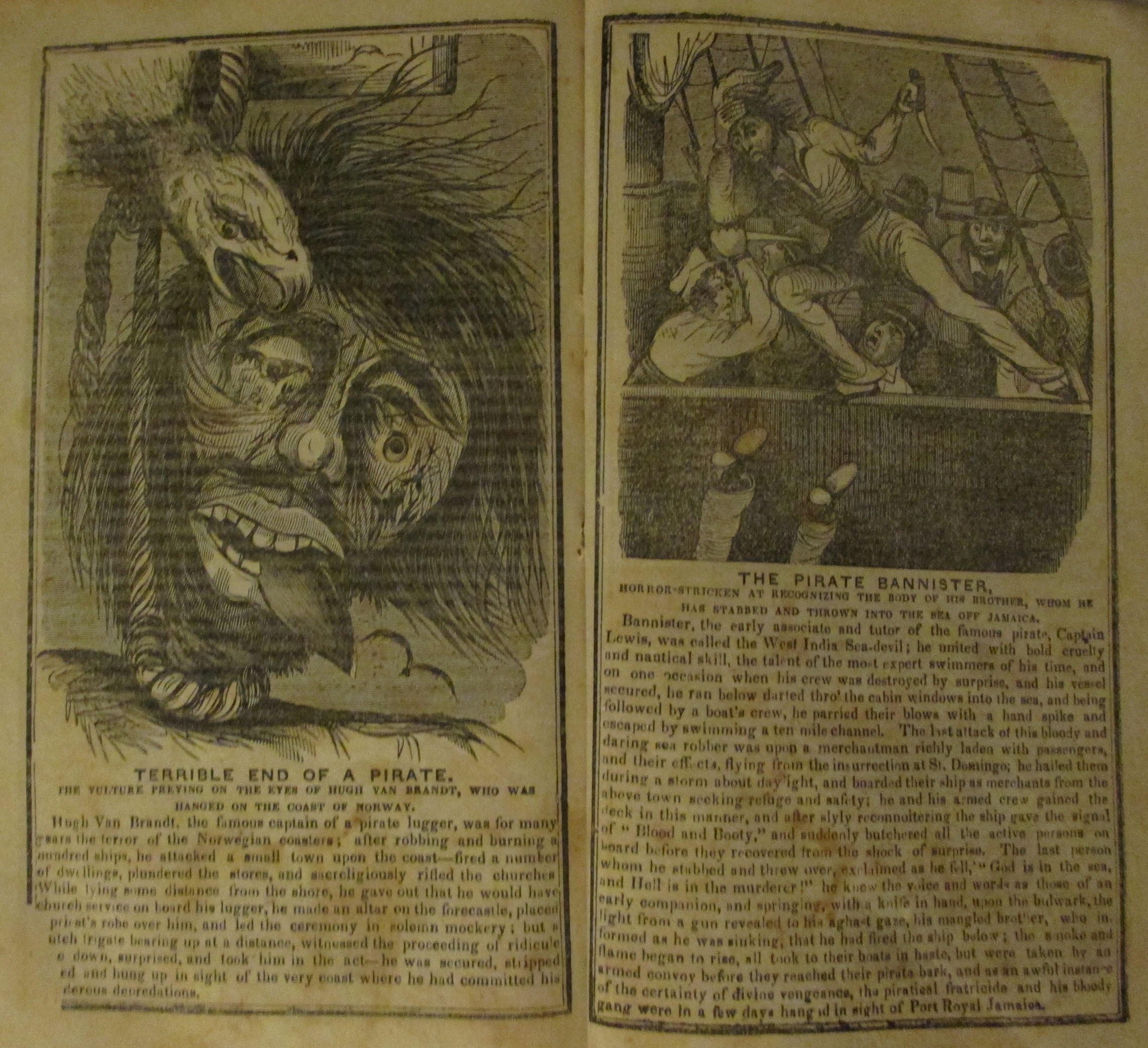
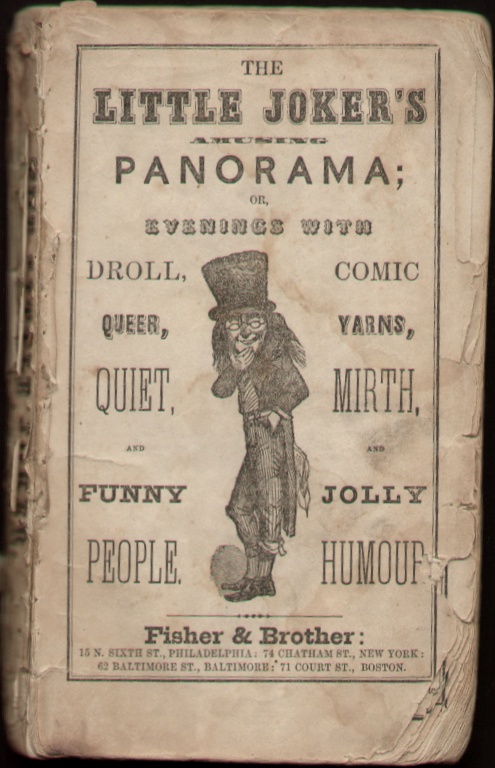
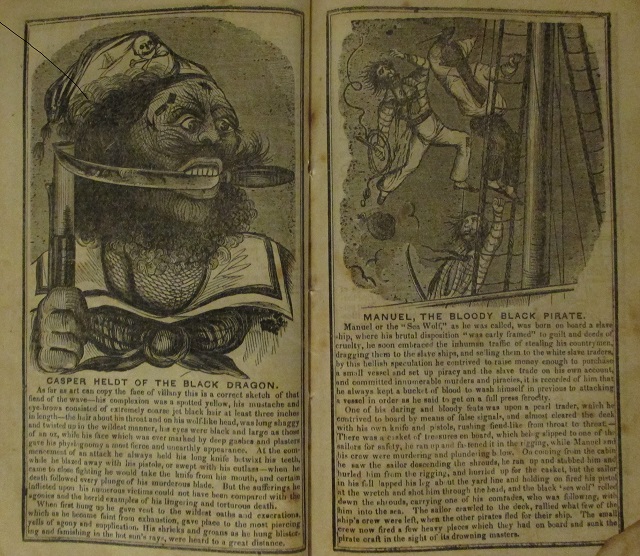
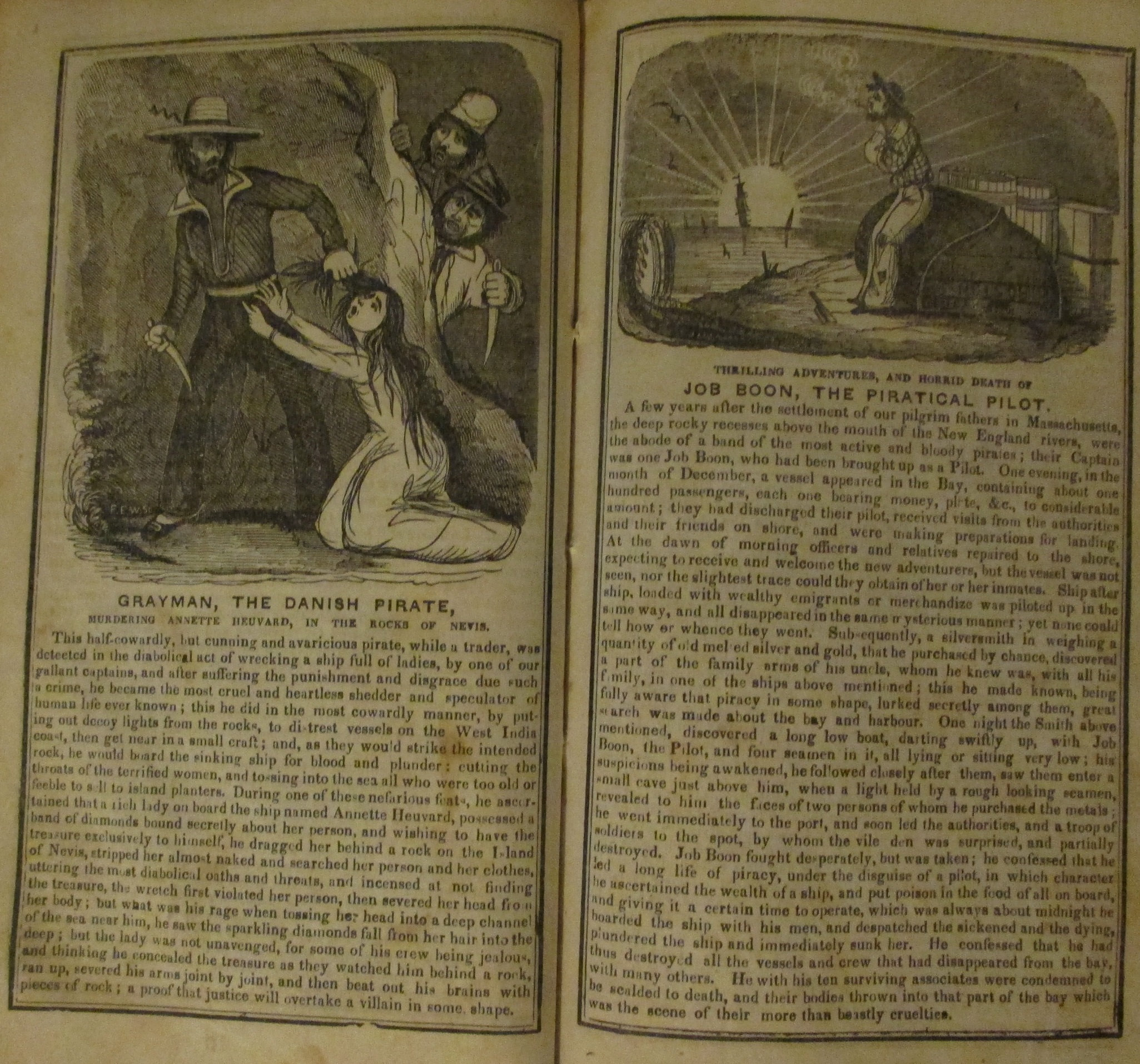
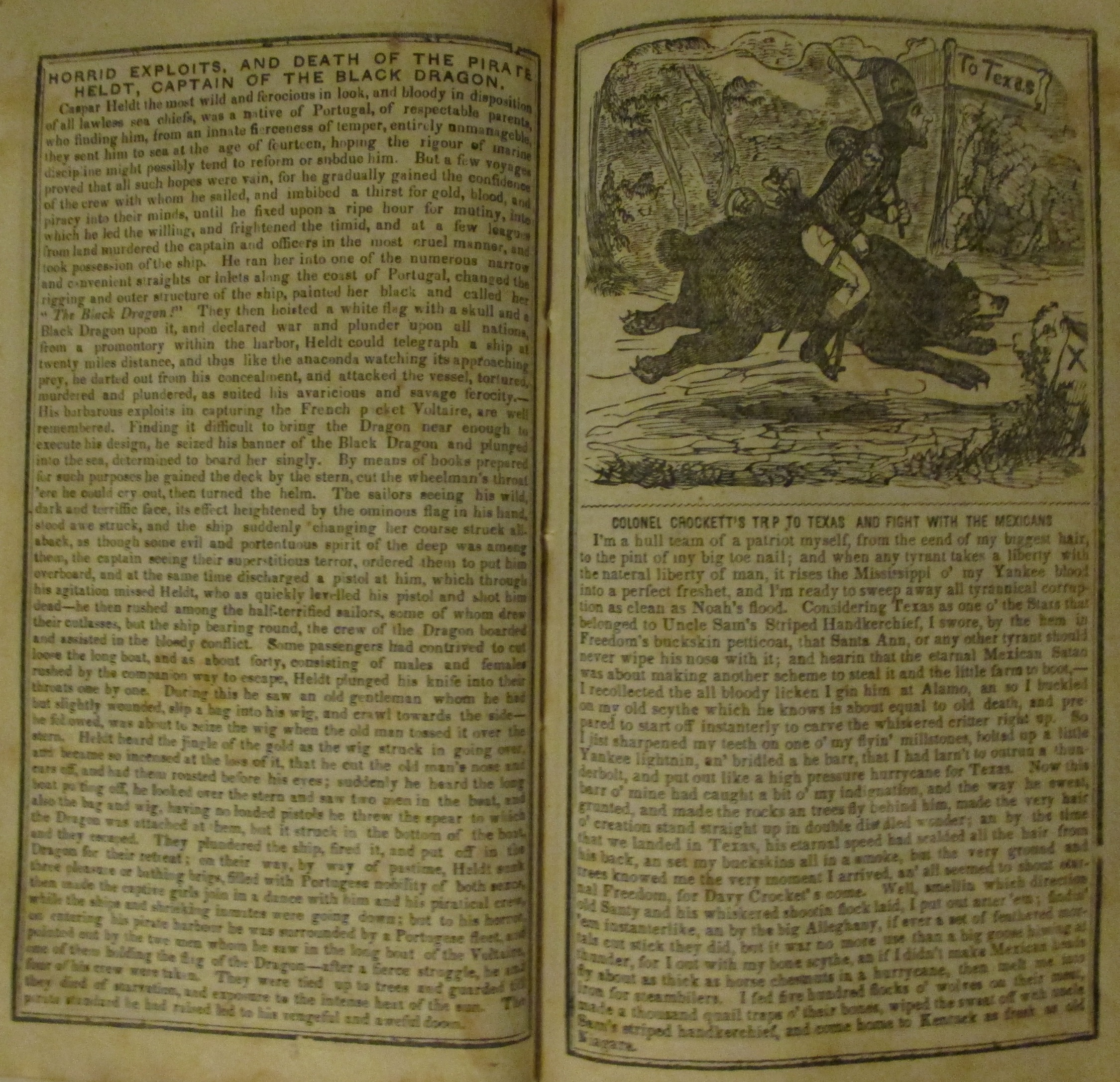
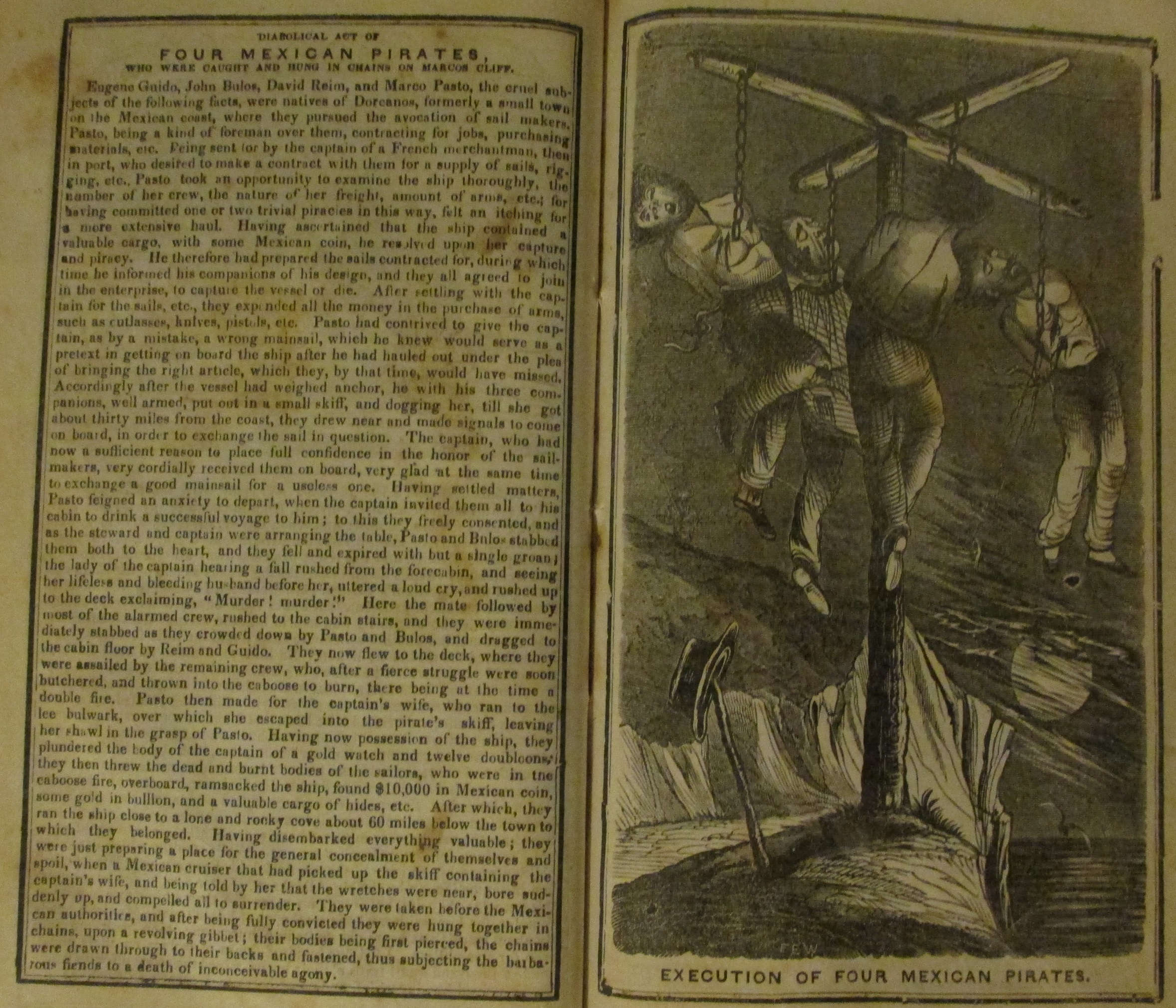
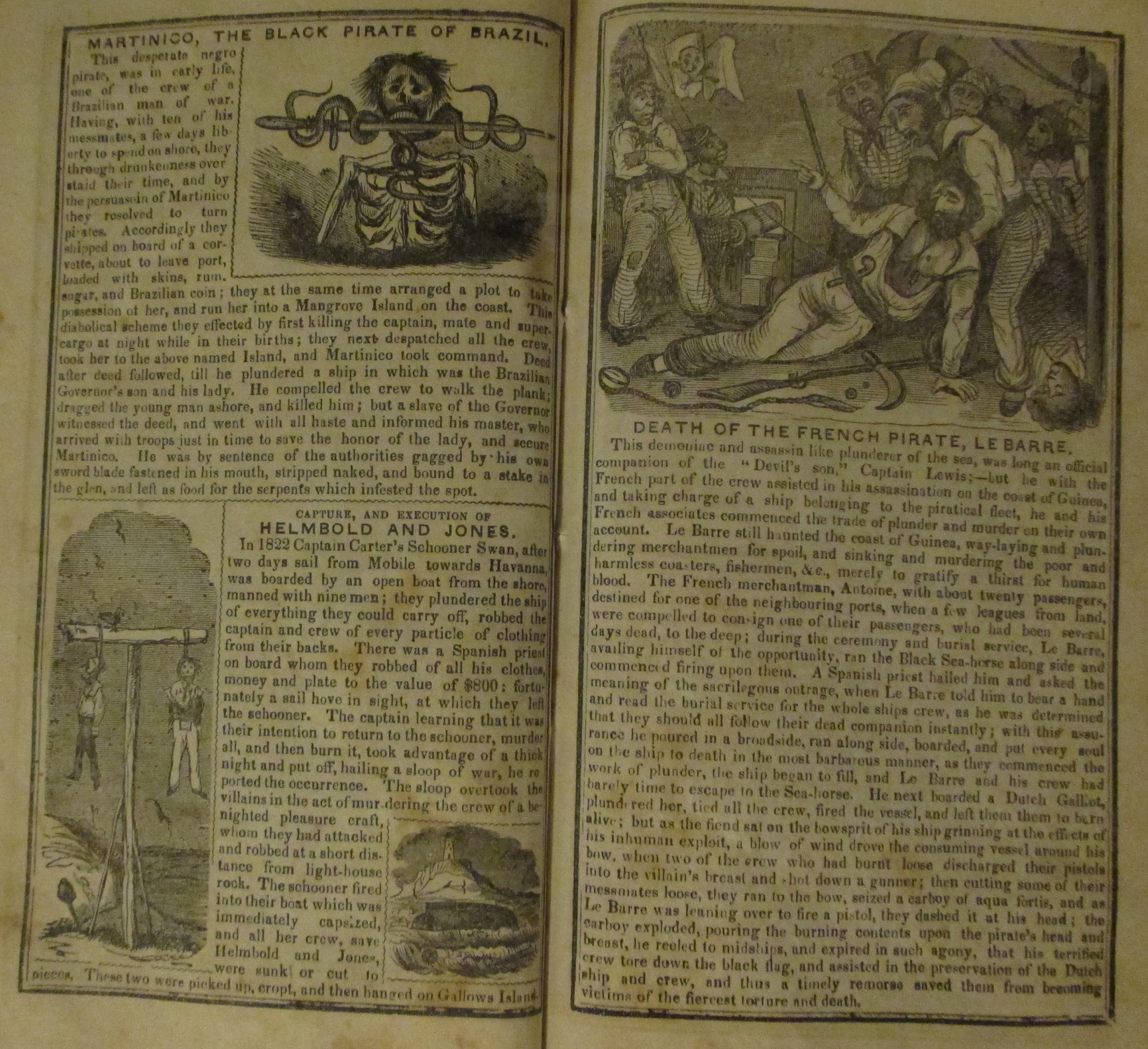
The new Pirate series Black Sails is set to premiere on the Starz cable network tomorrow night (though I’ve just now noticed that the first episode is already available On Demand). In honor of that (or maybe just as an excuse to show this material), I’ve extracted roughly half of the “Pirate” pages from the early 1850s paperback book, The Little Joker’s Amusing Panorama, published by Fisher & Brother.

Little Joker is part of a small group of early 1850s American paperback titles – all of them quite rare – in which publishers gathered and re-used the material found in their prior two decades worth of comic almanacs. (The Clown, or The Banquet of Wit, which I posted examples from earlier this month, is another such book.) In the case of Little Joker, the majority of its pages are reprinting material first published in the Davy Crockett Almanacs, filled out with pages from the (President William Henry) Harrison Almanac, at least one Comic Almanac, and – I am guessing – from the Pirate-themed Almanacs (unless there was a large abundance of pirate material inside the Crockett Almanacs that I’m unaware of).
I am taking guesses here, because the Crockett and Pirate almanacs are quite scarce and in demand, and so are extremely expensive. I own very little of that material. Little Joker, however, is rarer than all of them, so much so that it has remained virtually unknown, and so it slipped under the radar of Crockett and Pirate collectors when it came up for sale, years ago. (I’ve yet to see another copy for sale, while Crockett Almanacs pop up repeatedly.)
Anyway, following beneath are a number of pirate bios, from a time when these characters were within many readers’ living memory.
Click on the above & below pages, to view them in greater in detail, and be to read the text.


I’ll end this post with a few pages that came directly from Crockett Almanacs — 1842 (above) and 1839 (below) — taken from pictures that were posted when they were up for auction. I have a bunch more such pictures saved elsewhere – I’ll just have to save them for the next worthy Pirate event.

Doug Wheeler
— Doug
Posted at 08:01 AM
Posted in General | permalink | No Comments »
Tuesday, January 21, 2026
Last Tuesday, I discussed (hmm, is it a discussion if I’m talking to myself?) that although Batman still seems to be in the lead, it looked like Spider-Man is a close second.
Of course I’m talking about comics-related songs about these two characters. Since they both had jazzy theme songs for their TV series, the bulk of the comics tunes are covers of these melodies. But in both cases, there are plenty of other songs that mention Batman or Spider-Man that are original songs unrelated to either the 1966 Batman TV show or the 1967 Spider-Man cartoon show. Here is one of them.

Link Wray was one of the coolest guys in rock ‘n’ roll, with one of the coolest names. Link Wray! He even sounds like a comic book super-hero! It’s no wonder he recorded a song called “Spider Man.”

In the weeks, months and years to come, I’ll continue to share these Spider-Man songs, along with more selections from my Batman library. With new movies and new theme songs coming from both characters, I don’t know if we’ll ever have an accurate tally of how many records these two have inspired, but it’s fun to hear them all.
Click the link and enjoy this instrumental by Link.

Spider Man - Link Wray
— DJ David B.
Posted at 02:01 PM
Posted in Comics-Tunes | permalink | No Comments »
Monday, January 20, 2026
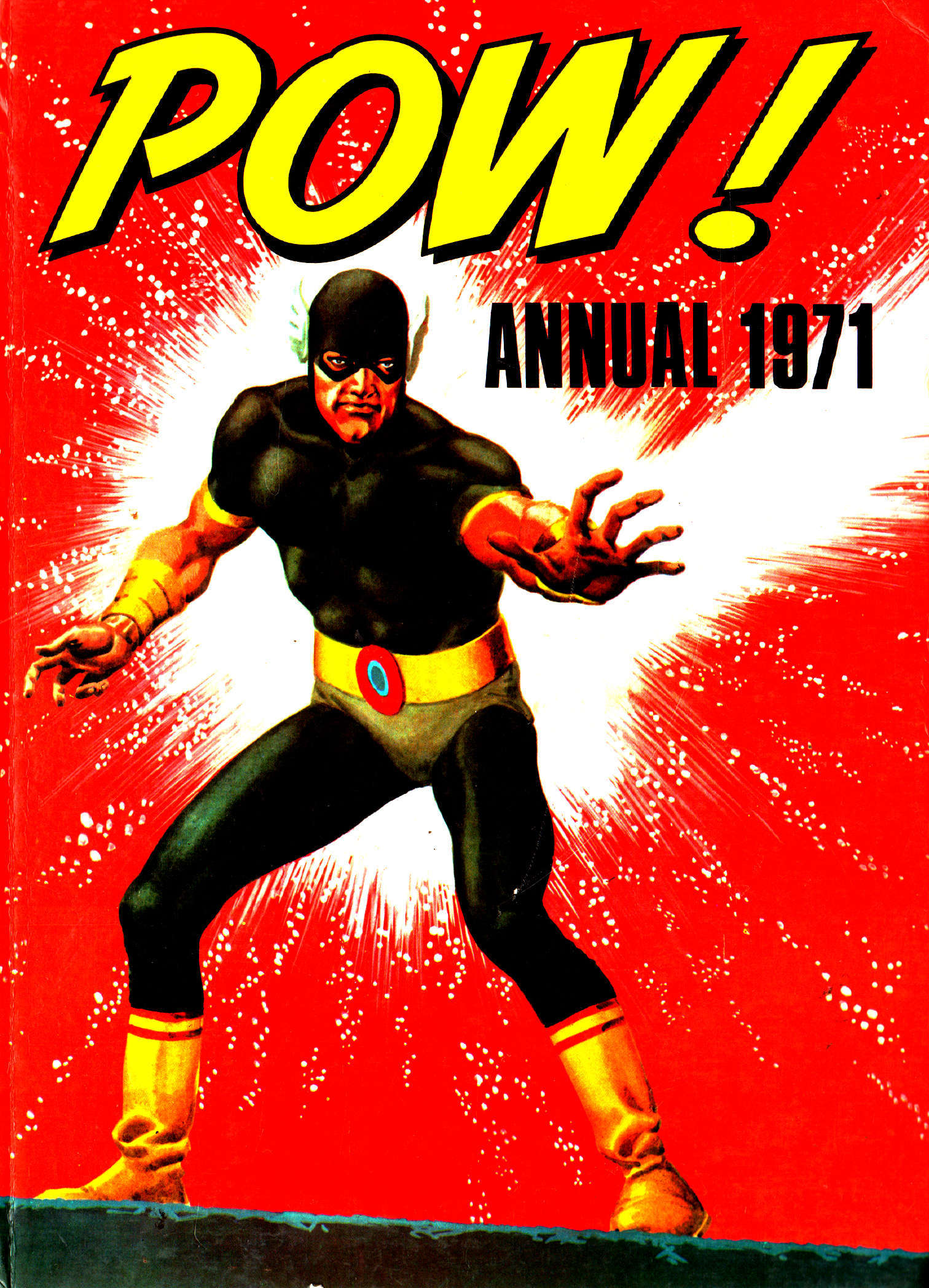
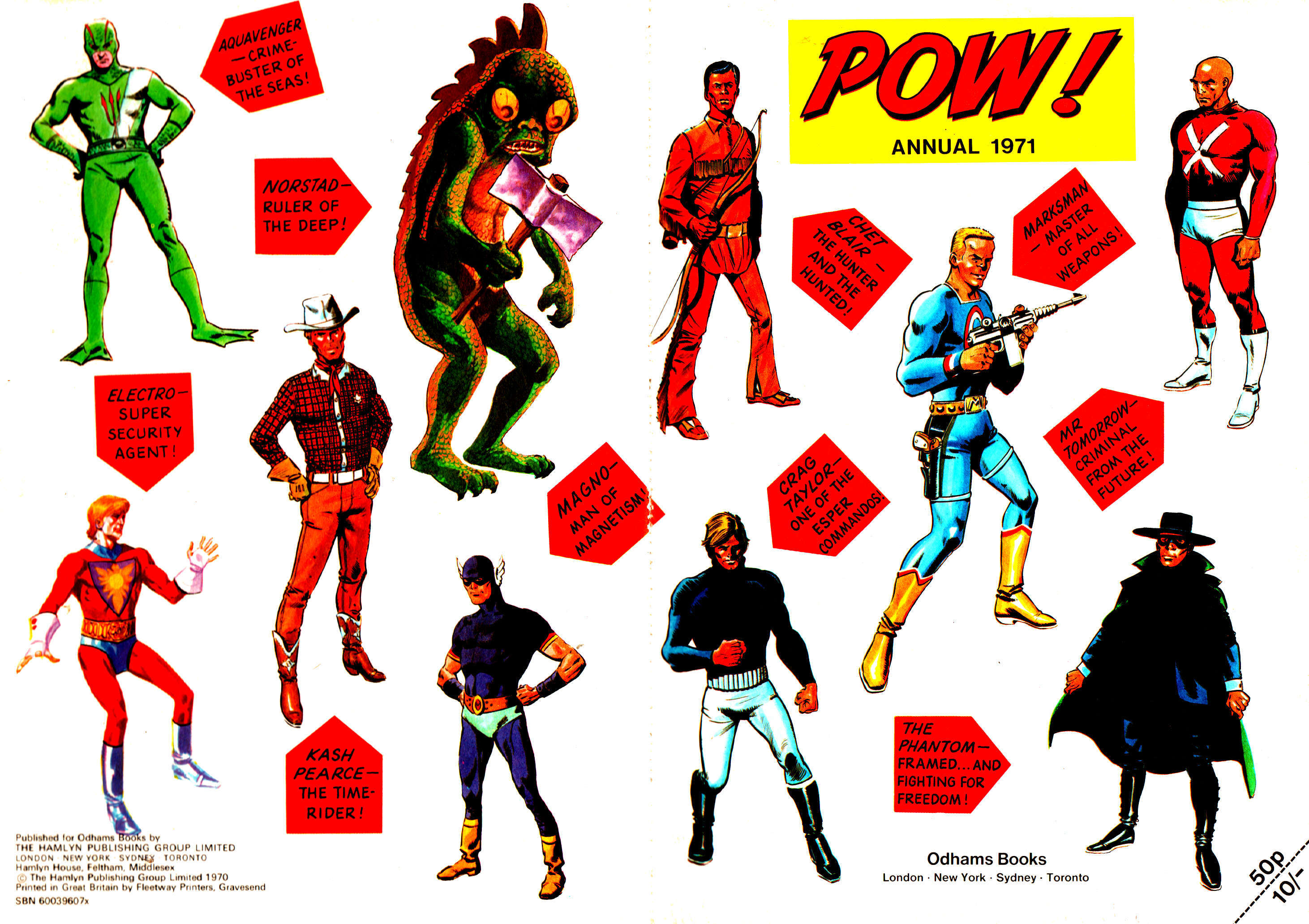
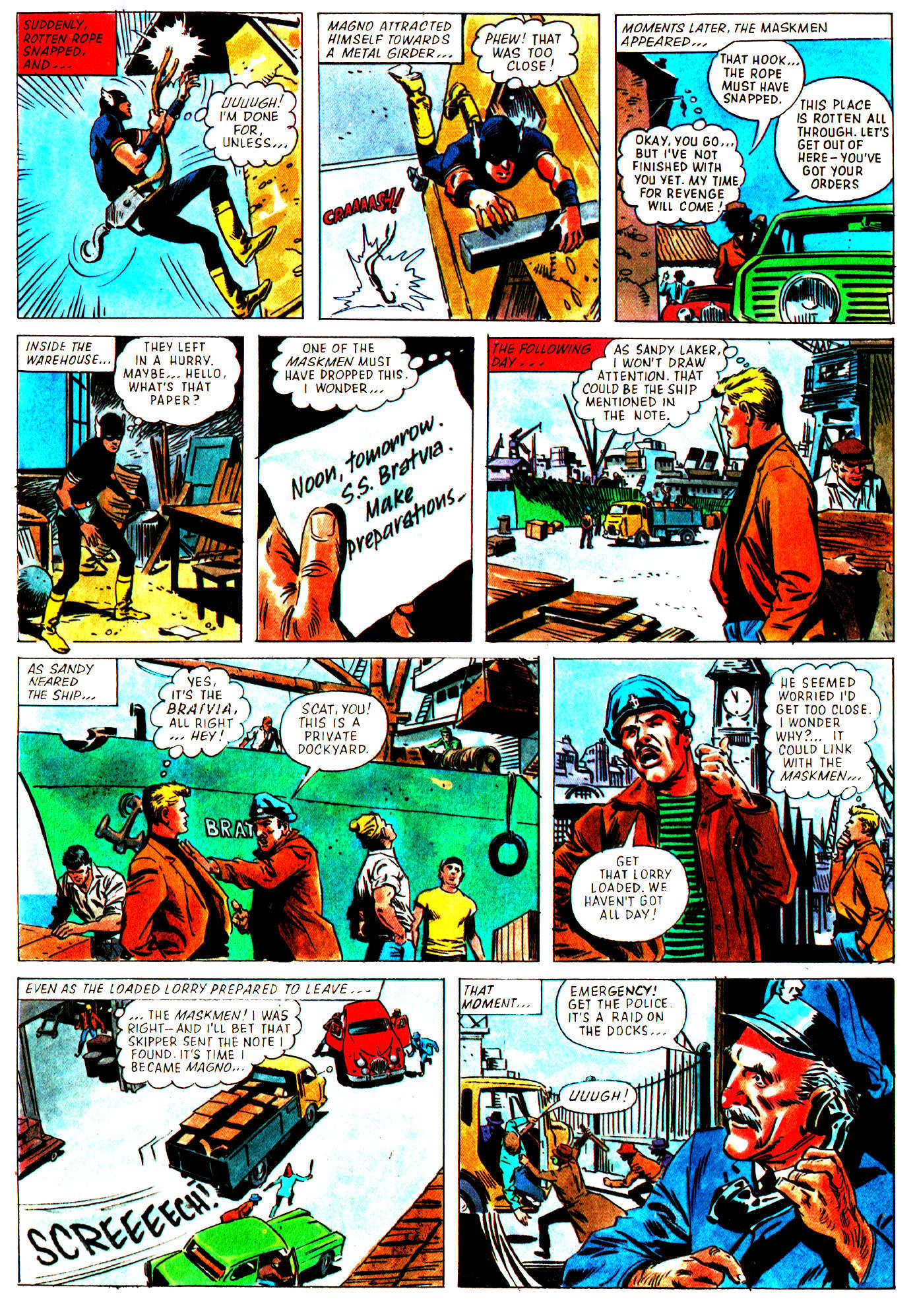
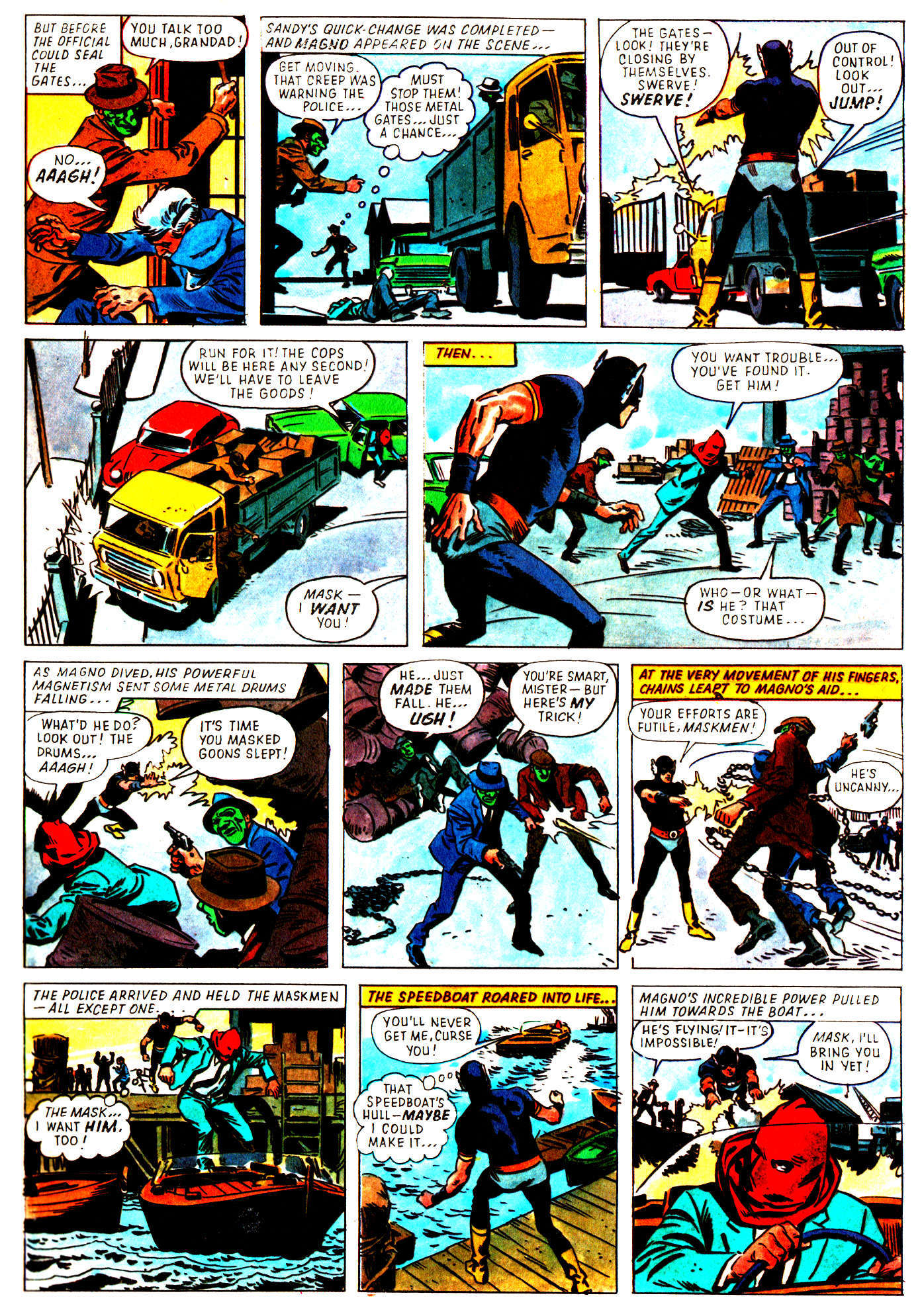
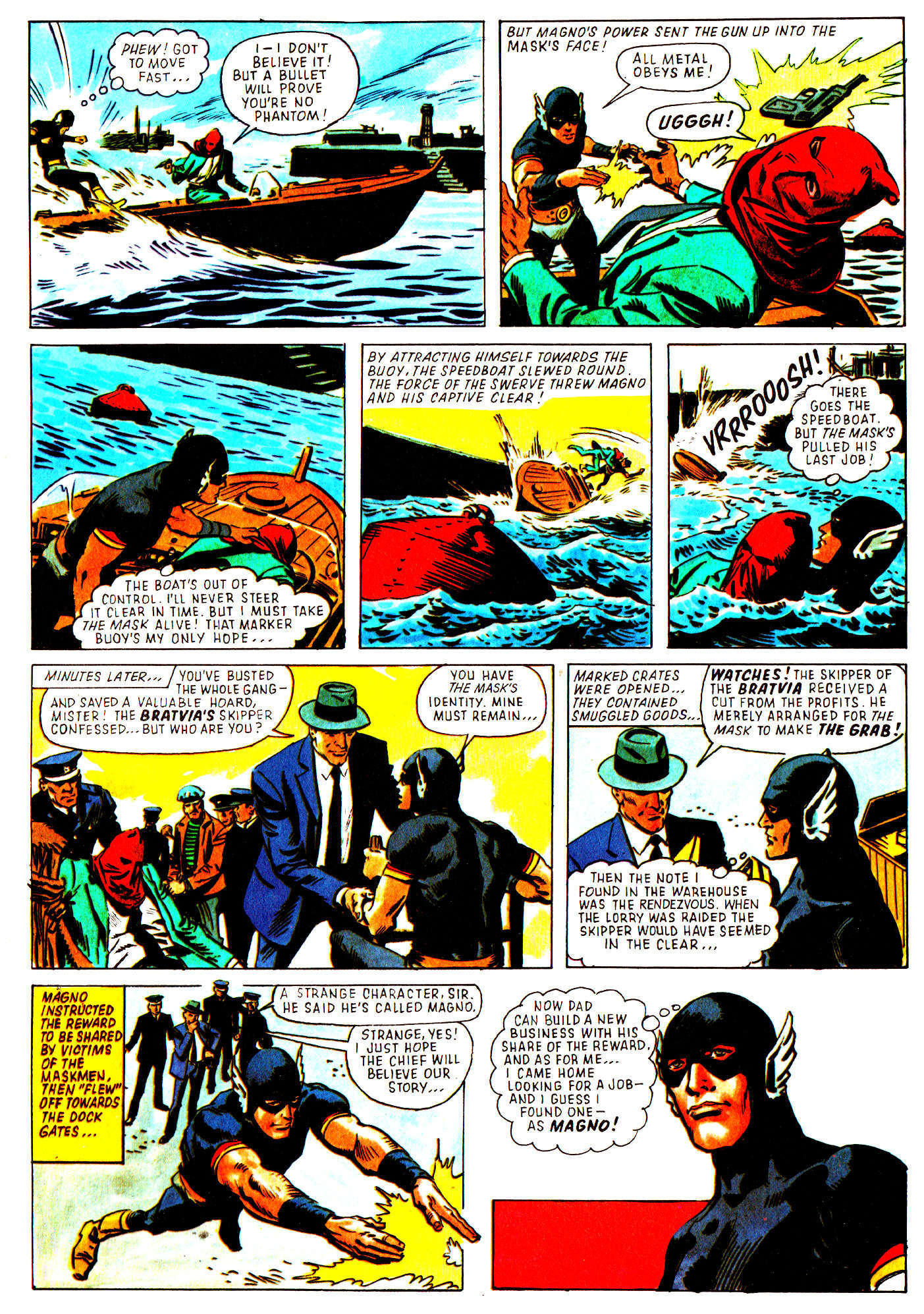
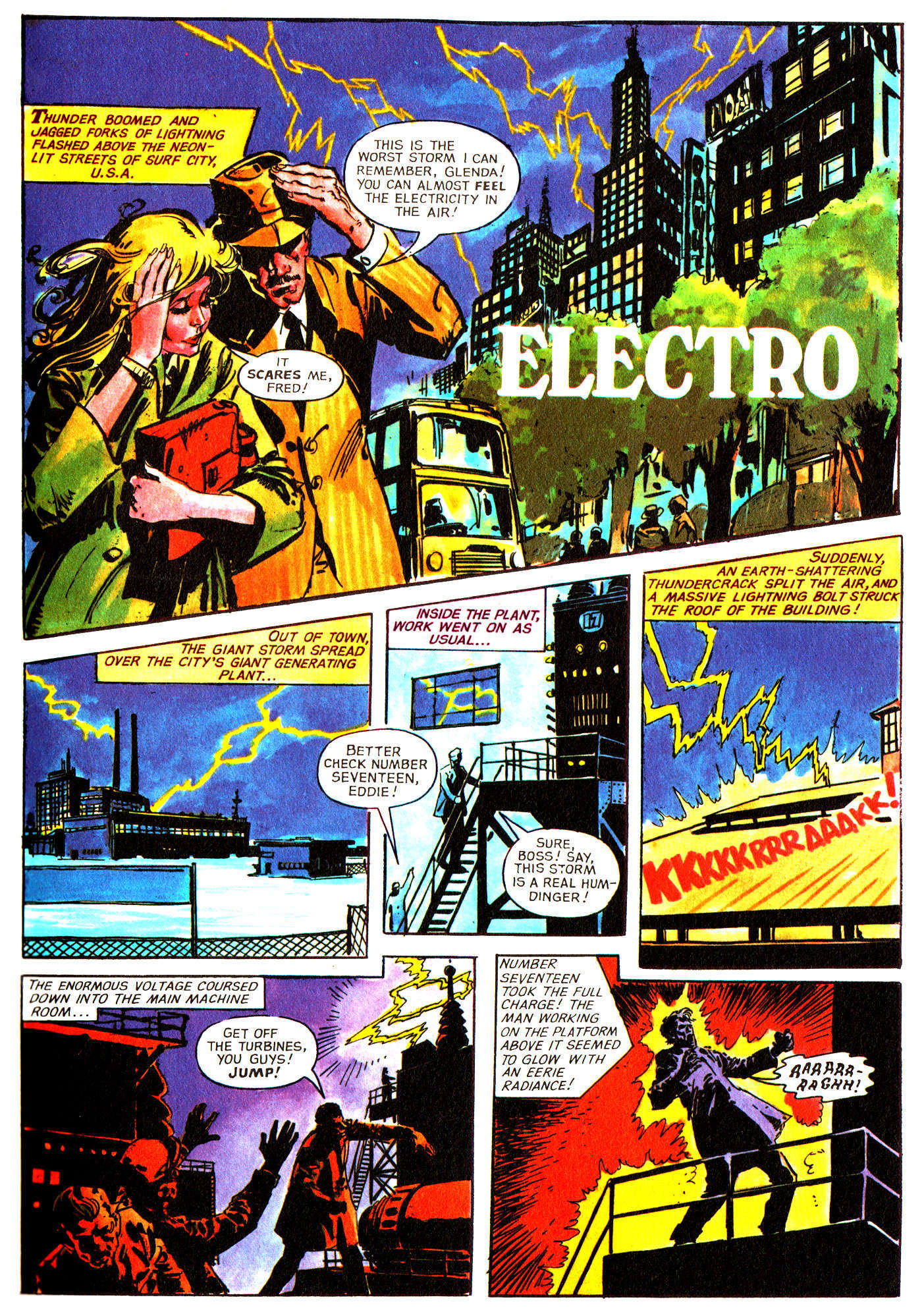
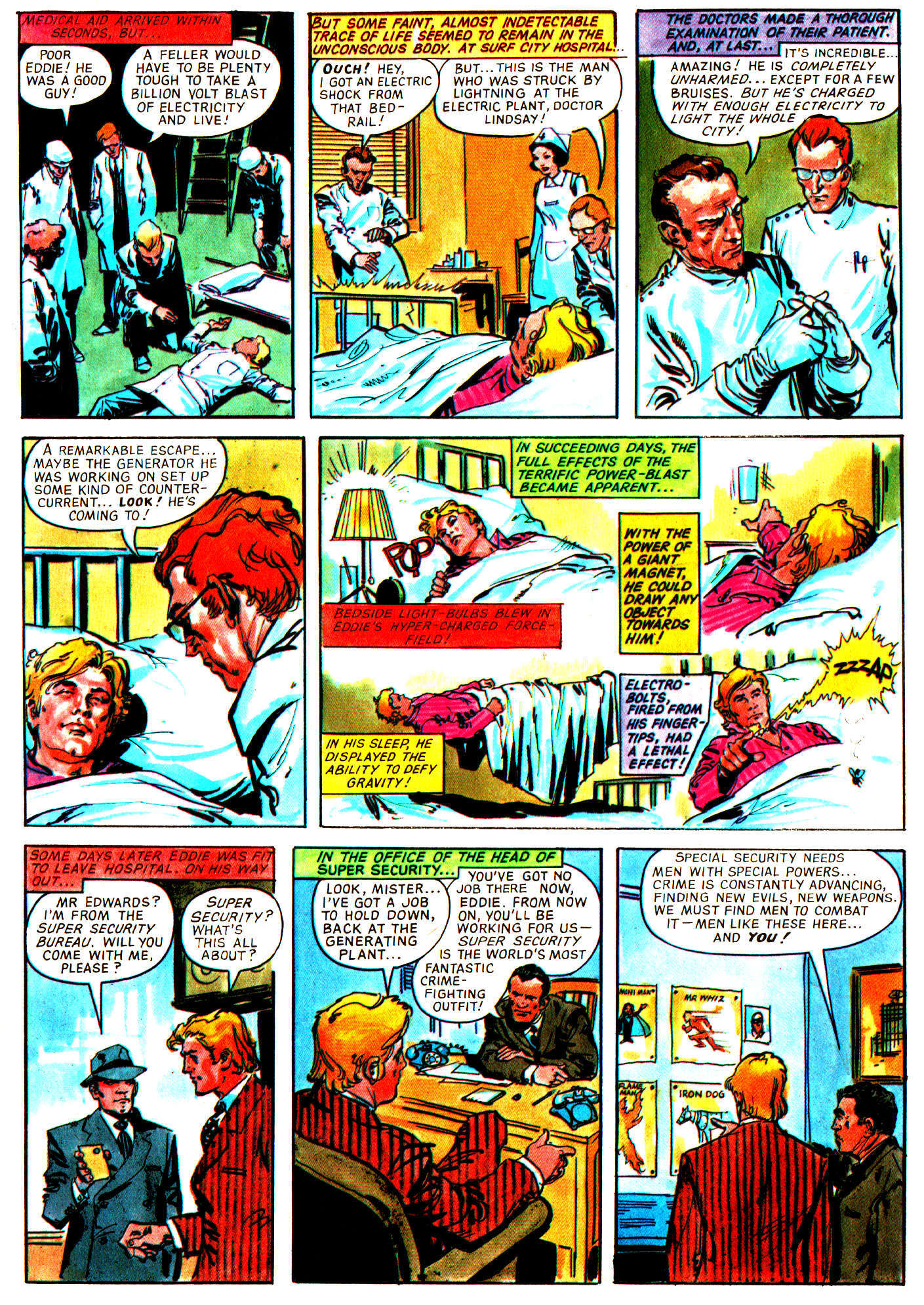
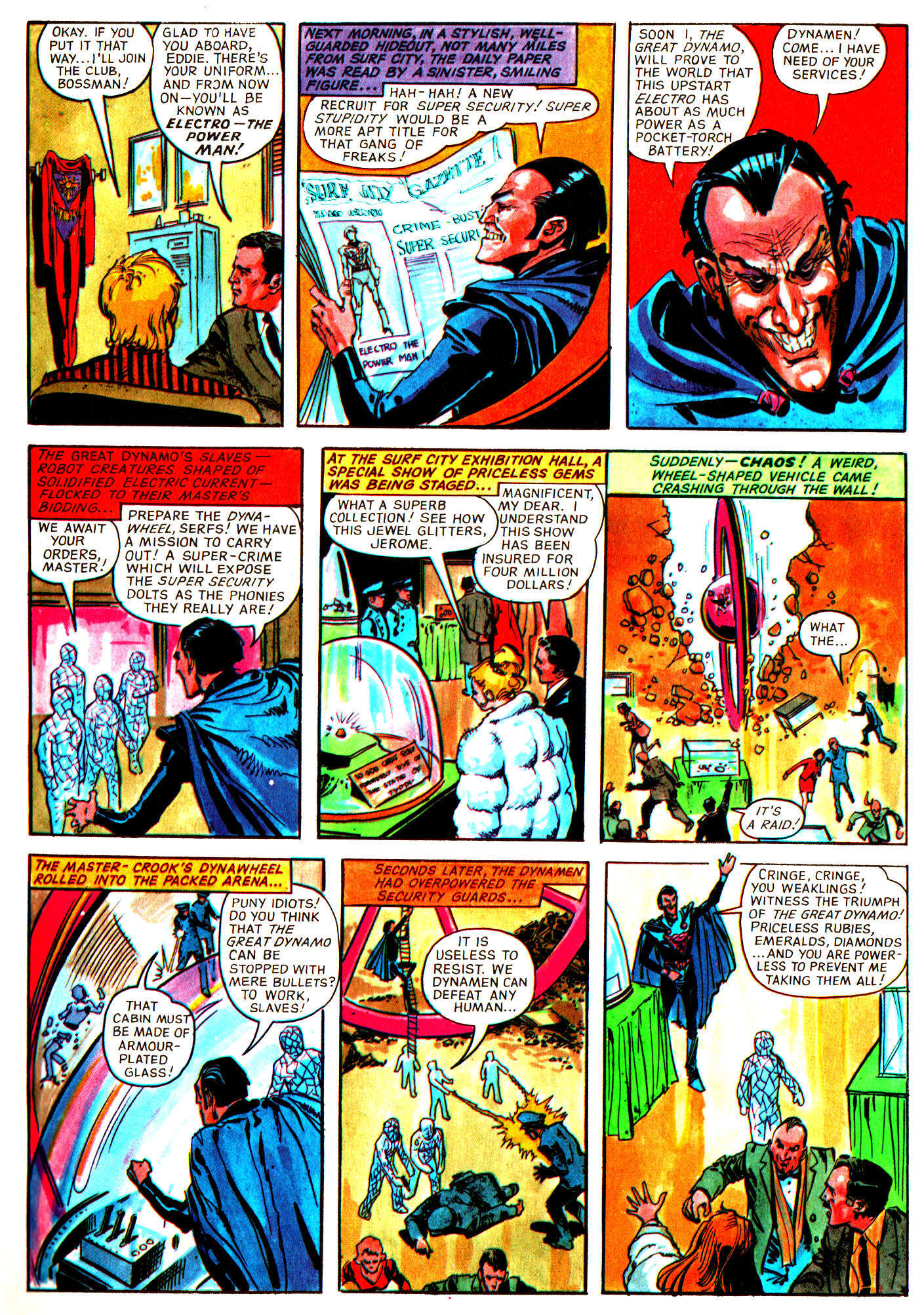
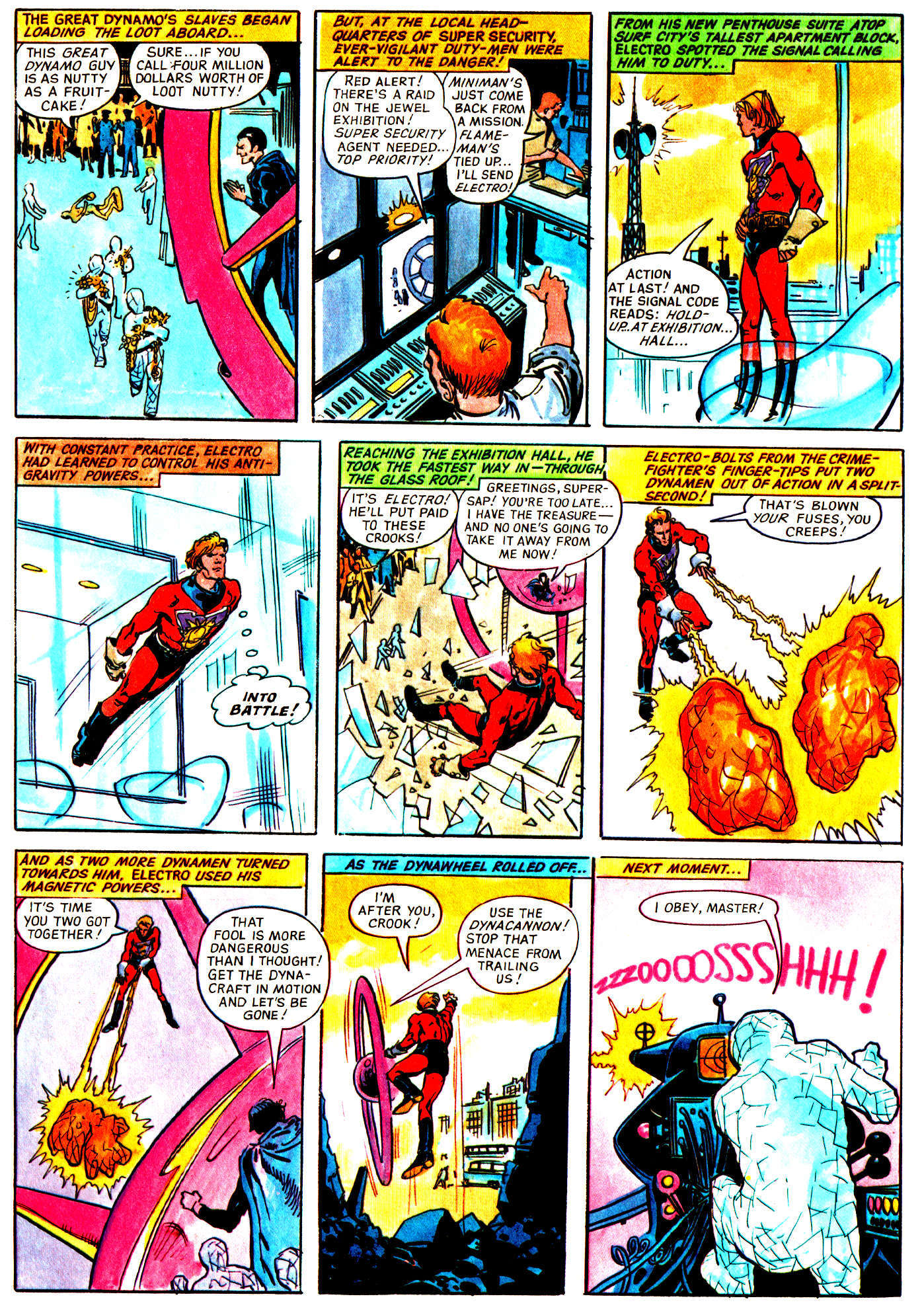
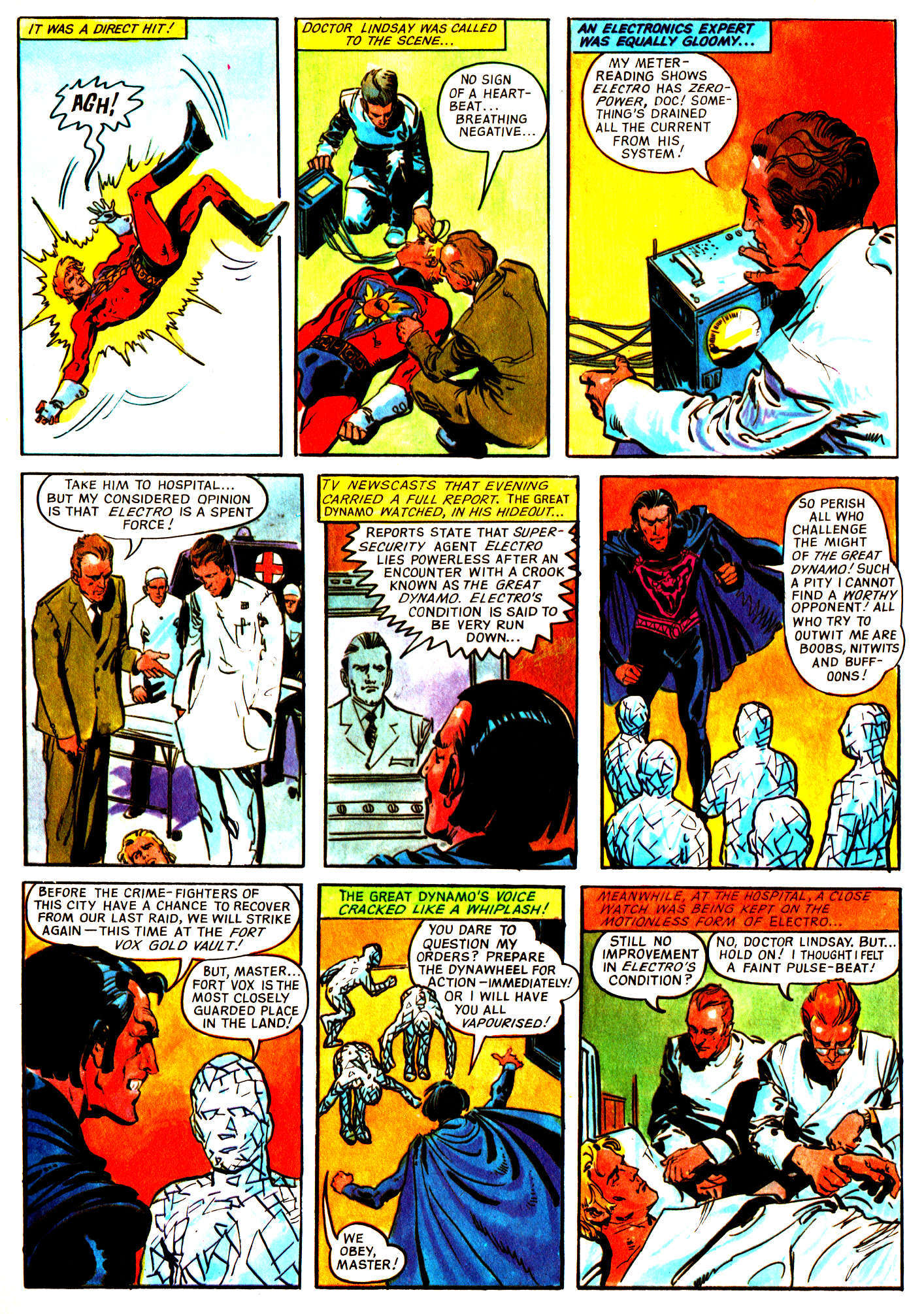
As someone who has been semi-obsessed with British superheroes Pow! Annual 1971 is a comic I’ve been wanting to read for a long time as it is just chock full (80 pages) of British superheroes who as far as I know never appeared anywhere else. Which is odd in and of itself as British Annuals frequently relied, sometimes heavily, on reprints of already published material. It’s possible they are reprints, and, as is often the case, I just don’t know enough about British comics, but this time I don’t think so. For one thing Lew Springer’s wonderful Blimey! blog tells me it was original material, though he suggests that the material “looks European” and might have been reprinted in other countries. Then there’s the fact that 1970 (British Annuals appeared the year before their cover date, arriving just in time for Christmas sales) was a little late to try to jump on the superhero bandwagon. This one also pops up on the Stupid Comics website which I don’t think is entirely fair; these are fairly flat, generic superhero stories to be certain, but they are handsome and certainly serviceable ones.


— Steve Bennett
Posted at 11:01 AM
Posted in General | permalink | 2 Comments »
|
SUBSCRIBE

A-List: The I.T.C.H. Blog Contributors
BLOGS
COMIC NEWS
MY FAVORITE SOURCES FOR COOL BOOKS
THE PUBLISHER OF YOE BOOKS
THE PUBLISHERS OF OTHER BOOKS BY CRAIG YOE
CATEGORIES
ARCHIVES
META

Every Wednesday is
WACKY WONDER WOMAN WEDNESDAY
archive
DOLL MAN WEIRDNESS
archive
|